Money intended to lift storm-damaged homes instead financed luxury cars and other personal spending, according to the federal case against a Long Island contractor. The scheme left at least 20 Hurricane Sandy homeowners with unfinished work and more than $1.5 million in combined losses. A four-year prison sentence has now closed the criminal case’s latest chapter, though the victims’ restitution amount has not yet been fixed.
Recovery Grants Flowed Through Homeowners to the Contractor
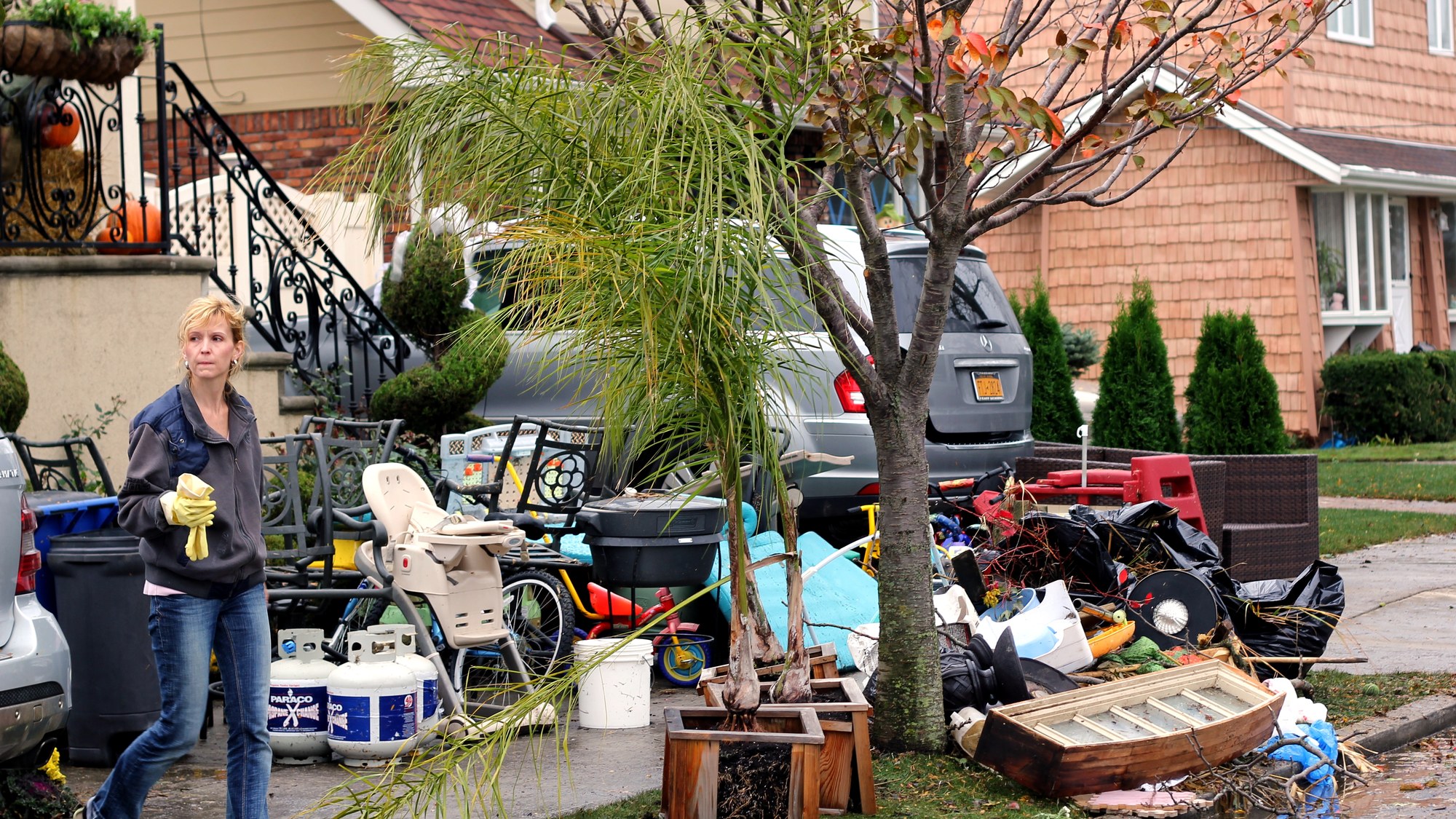
After Hurricane Sandy struck in 2012, New York created the New York Rising program to help residents repair and rebuild damaged homes. Alexander Almaraz, owner of Design Concepts Group, contracted with homeowners who qualified for that funding. The work required lifting houses, replacing foundations, lowering the structures and reconnecting appliances.
The U.S. Attorney’s Office for the Eastern District of New York said at least 20 customers paid Almaraz approximately $2.5 million between October 2015 and June 2019. Many also moved out and paid rent elsewhere while their projects stalled. The public funds reached the contractor through the homeowners, so incomplete work harmed both the families and the recovery program that financed them.
The sentencing announcement ties those payments to contracts that promised a full elevation and foundation sequence, allowing investigators to compare the money released with construction actually completed.
Free retirement updates: Want plain-English help keeping more of your money in retirement? The free Retirement Shield newsletter covers the benefits, deadlines, and money mistakes that cost retirees, a couple times a week. Subscribe free.
Three Luxury Cars Became Evidence of the Diversion
Federal prosecutors said Almaraz used victim money for credit-card bills, land in Kansas City and luxury vehicles, including a Lamborghini, Porsche and Jaguar. Those purchases gave the case a visible contrast: houses remained elevated, unfinished or deficient while the contractor accumulated high-value personal assets.
The cars are not a shorthand for the entire loss. Prosecutors calculated more than $1.5 million in losses to the recovery program and individual victims, covering work that was not completed or properly performed and the consequences of prolonged displacement. The personal purchases demonstrated where some money went, while contracts, bank transfers and construction records established the broader scheme.
A Guilty Plea Led to a 48-Month Sentence
Almaraz pleaded guilty to conspiracy to commit wire fraud in September 2024. On September 9, 2026, U.S. District Judge Joan M. Azrack sentenced him to 48 months in federal prison. Because the conviction rests on a guilty plea and sentence rather than an indictment alone, the account is no longer a set of unresolved accusations.
Restitution will be determined later. That leaves a crucial financial question open for homeowners even after the prison term was imposed. A loss figure used at sentencing can guide a court, but the eventual restitution order identifies the enforceable amount owed to designated victims. Recovery then depends on the defendant’s assets and the government’s collection efforts.
Disaster Repairs Create Unusual Payment Exposure
Large rebuilding jobs often involve staged payments, specialized elevation work and long periods when an owner cannot easily inspect the property. A grant-funded project can also create pressure to meet program deadlines or use approved contractors. Those conditions give a dishonest operator more time and access to money than an ordinary small repair.
The financial records that protect a household are therefore project-specific: a written scope, permit history, inspection milestones, proof of subcontractor work and payment schedules tied to completed stages. A luxury purchase by a contractor is not itself proof of fraud, but unexplained transfers from project accounts combined with missing work can become powerful evidence.
The New York case also shows why a criminal sentence does not instantly repair the victims’ balance sheets. More than a decade after the storm and years after the contracts, some financial consequences remained unresolved. The Justice Department’s September 9 release confirms the prison term and the vehicle purchases, while placing the final restitution calculation on a later court date.
The Loss Included More Than the Value of the Cars
A Lamborghini, Porsche and Jaguar make the diversion easy to visualize, but they cannot measure the victims’ entire financial injury. Homeowners paid for contracted work, faced the cost of correcting deficient construction and, in some cases, carried rent while displaced. The recovery program also lost value when grants failed to produce the intended repairs.
Land purchased in Missouri and personal credit-card bills appear in the government’s account as additional uses of project money. Tracing those assets can support forfeiture and restitution, but a later sale may recover less than the amount originally spent. Depreciation, liens and ownership disputes can all reduce what is available for victims.
The sentence therefore separates punishment from financial restoration. Four years in prison addresses criminal culpability. Restitution, once calculated, addresses the victims’ enforceable losses. Neither guarantees that damaged homes are completed, and neither erases the extra housing costs accumulated while construction remained unfinished.
The later restitution proceeding can sort direct construction payments from additional losses supported by records. Courts generally need victim-specific documentation rather than a single project total, especially when homeowners paid different amounts and received different levels of work. The Justice Department’s decision to leave restitution for later signals that this accounting was not complete on sentencing day.
Inside the kit
The first-hour recovery plan, the family code word, the free credit-freeze steps and a fraud evidence and report log.
The Senior Fraud Defense & First-Hour Recovery Kit includes a 9-page kit, the first-hour recovery plan and the family code word.
Open The Senior Fraud Defense & First-Hour Recovery Kit.
AI tools assisted in researching and drafting this article, which was reviewed prior to publication.