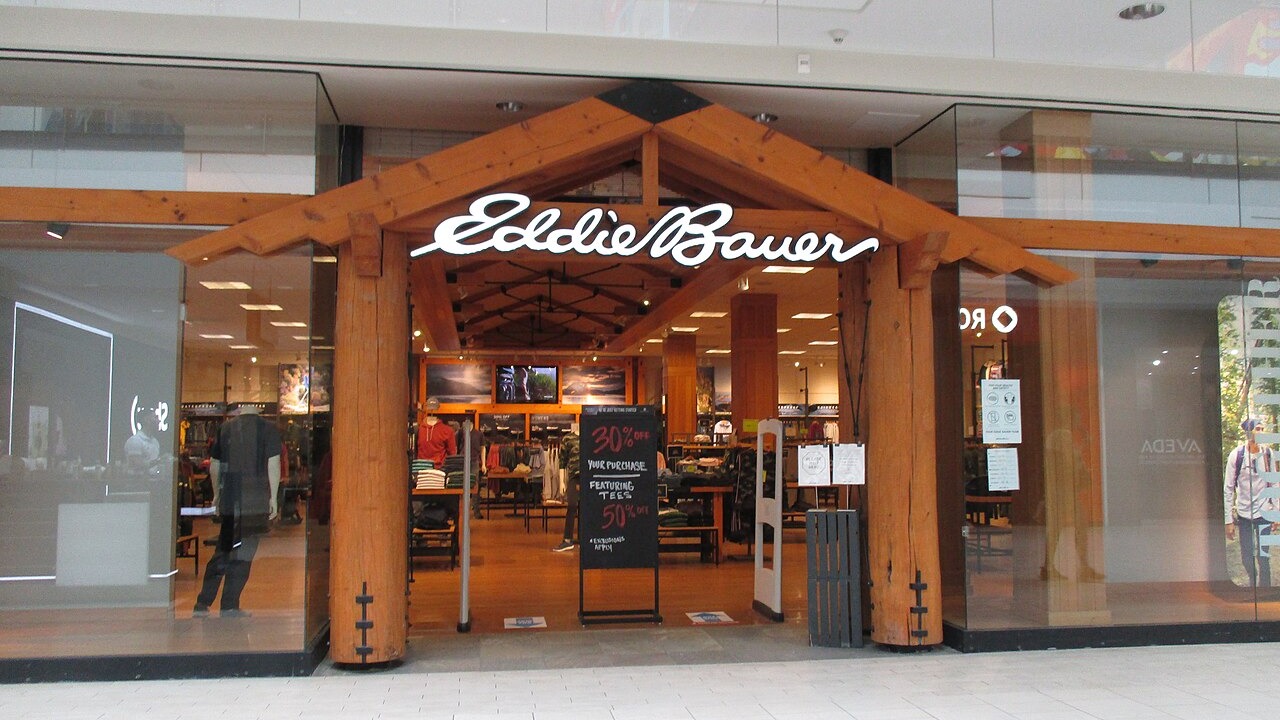
Every Eddie Bauer store in the United States will shut its doors after the company’s bankruptcy auction for 174 locations drew zero qualified bids. Eddie Bauer LLC and affiliated debtors filed for Chapter 11 protection on Feb. 9, 2026, in the U.S. Bankruptcy Court for the District of New Jersey under case number 26-11422 (SLM). The auction was canceled on March 4, 2026, because no offers arrived by the deadline, sealing the fate of the retailer’s entire domestic brick-and-mortar footprint. Yet the brand itself is not disappearing: its website, wholesale channels, and stores outside the United States and Canada will continue operating under separate companies.
How the brand splits between screens and storefronts
The immediate consequence for U.S. shoppers is stark. Physical stores that once anchored malls and outlet centers across the country are closing with no buyer stepping in to keep them running. The canceled auction for 174 stores confirmed that the retail real estate carried too much liability, or too little value, for any bidder to take on.
Online sales and wholesale distribution, by contrast, sit outside the bankruptcy estate. Authentic Brands Group, which owns Eddie Bauer’s intellectual property, expanded its partnership with Outdoor 5, LLC to hand that company responsibility for e-commerce, wholesale, and product design across the U.S. and Canada. That arrangement means the Eddie Bauer website will keep selling jackets, boots, and outdoor gear even after the last register goes dark in a physical store.
Stores outside the U.S. and Canada are run by independent licensees and are expected to stay open, according to reporting from the Associated Press. Those operators hold separate agreements with Authentic and are not part of the Chapter 11 filing. The result is a brand that will exist in two distinct forms: a digital and international presence managed by third parties, and a defunct U.S. retail chain winding down through bankruptcy proceedings.
Court records and the Outdoor 5 handoff
The bankruptcy case is administered through the New Jersey bankruptcy court, with Stretto serving as the claims and noticing agent. The petition date of Feb. 9, 2026, triggered a rapid timeline: within weeks, the court scheduled and then scrapped the store auction after no qualified bids materialized. Case documents, dockets, and key deadlines are posted on the Stretto case site, giving landlords, vendors, and former employees a central place to track the liquidation process and file claims.
Authentic Brands Group’s decision to route digital and wholesale operations through Outdoor 5, LLC preceded the auction outcome. The company’s corporate release described the expanded partnership as giving Outdoor 5 control over e-commerce, wholesale, and design responsibilities. Outdoor 5 is linked to the Oved Group, a firm with experience managing brand operations for IP holding companies. By locking in that arrangement before the auction collapsed, Authentic ensured the brand’s revenue-generating digital arm would not be disrupted by the Chapter 11 filing or the failure to find a buyer for the stores.
The separation between the debt-laden store chain and the asset-light brand platform is central to how this bankruptcy is unfolding. Eddie Bauer LLC, the debtor, bears the leases, payroll obligations, and other liabilities tied to operating a national fleet of stores. Authentic, which licenses out the name and designs, can continue collecting royalties from e-commerce and overseas licensees even as the domestic retail company is dismantled in court.
What the shutdown means for workers and shoppers
For thousands of store employees, the canceled auction removes any realistic path to continued employment under a new owner. Instead of a going-concern sale that might have preserved some locations, the case is now headed toward an orderly wind-down. Court filings are expected to outline severance, benefits termination, and the treatment of unused gift cards and loyalty points, though those details will depend on available cash and creditor priorities.
Shoppers will see a wave of liquidation sales as inventory is converted to cash for the estate. Once those sales end, Eddie Bauer will effectively vanish from American shopping centers, even as its logo lives on in web browsers and on products sold through wholesale partners. Customers accustomed to trying on parkas and boots in person will have to shift to online ordering or seek out international stores when traveling.
The broader retail landscape has seen similar splits before, where a familiar mall brand disappears from physical locations but survives as a licensed label sold through other retailers and digital channels. Eddie Bauer’s case underscores how intellectual property and customer recognition can retain value long after the traditional store network becomes too costly to sustain. For landlords and local communities losing a tenant, however, the strategic logic offers little comfort as another legacy retailer exits Main Street and the mall for good.