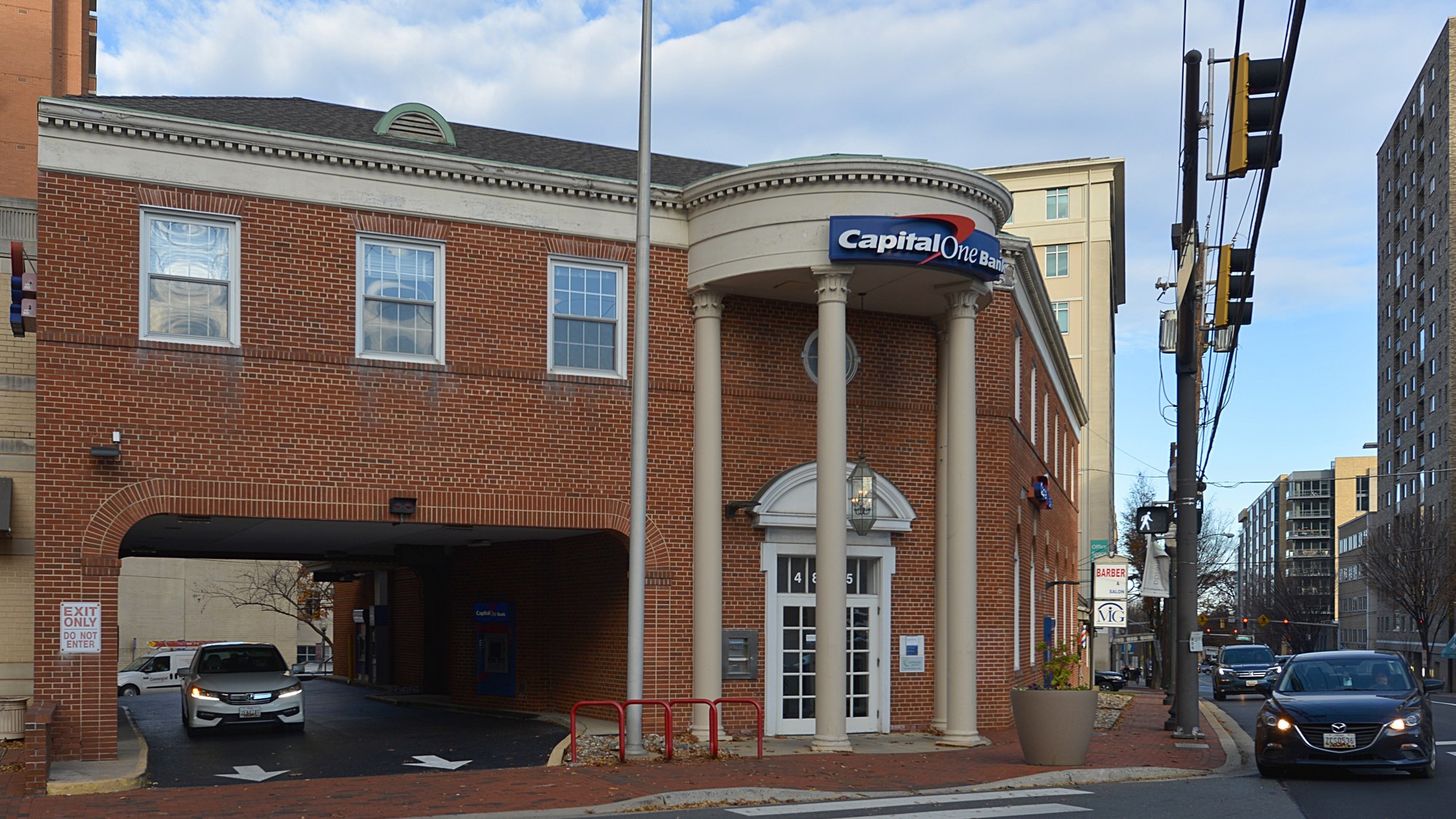
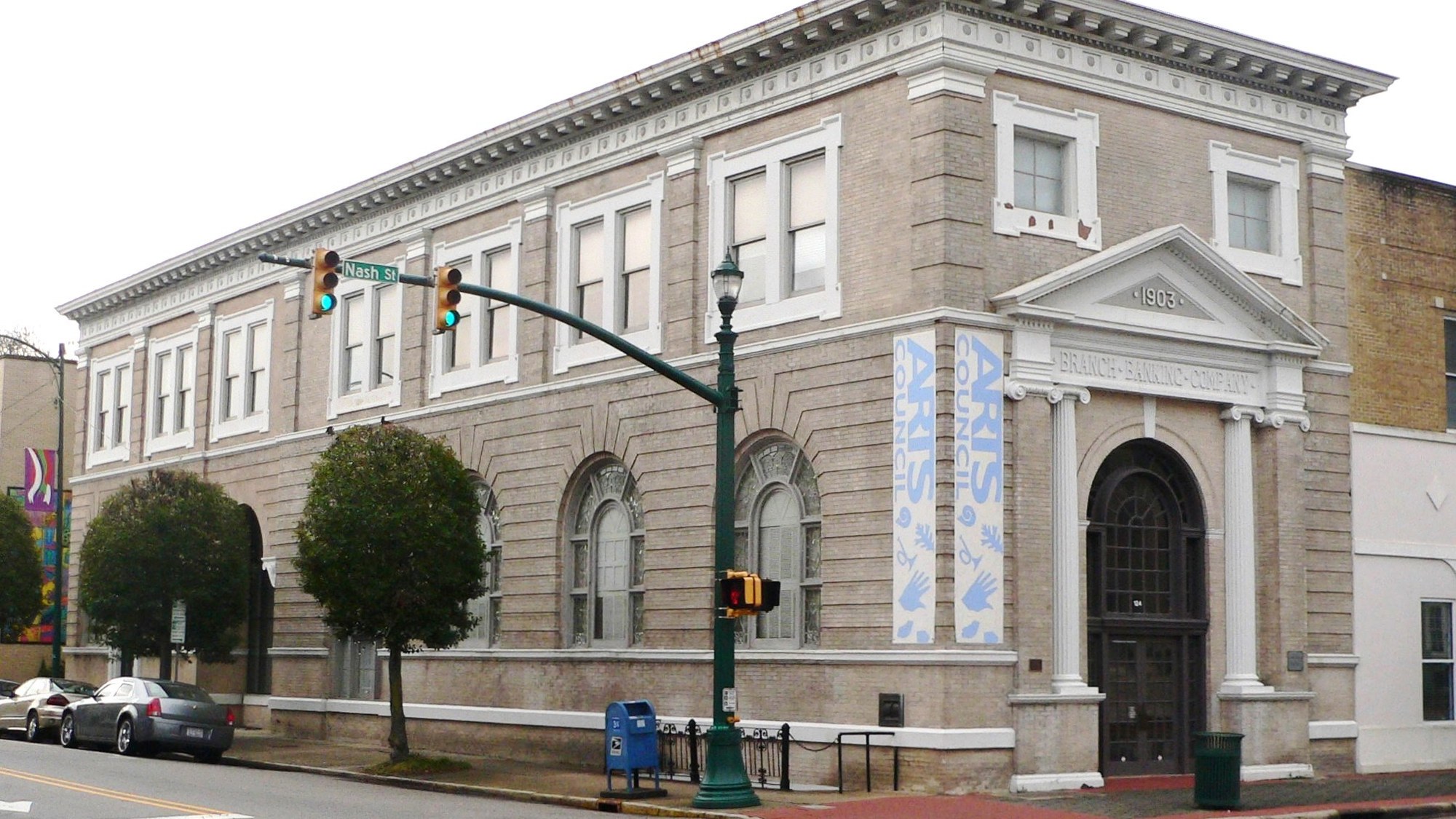
Five federally insured banks failed in the United States in 2026, more than in any single year since 2023, as regulators shut down small community lenders in Illinois, Georgia, Indiana, Kansas and Pennsylvania. Every one of those closures ended the same way for the people who banked there: not a single depositor lost money, because federal deposit insurance covered every account within the standard limit. For older savers who keep decades of savings parked at one or two familiar banks, this year’s failures offer a real test of how far that $250,000 coverage ceiling actually reaches, and where its edges are.
Five Community Banks Have Failed So Far in 2026
The run began January 30, when Illinois regulators shut down Metropolitan Capital Bank & Trust in Chicago over unsafe financial conditions, with First Independence Bank of Detroit assuming its deposits. Georgia’s Community Bank and Trust – West Georgia followed on May 1, then two small Midwest lenders closed within a week of each other in July: Kentland Federal Savings and Loan Association in Indiana on July 10, and Small Business Bank in Lenexa, Kansas, on July 17. The most recent failure came August 21, when Pennsylvania regulators closed Tioga-Franklin Savings Bank in Philadelphia and named the FDIC as receiver.
In each case, a healthy institution stepped in to take over deposits before the closed bank’s doors reopened, often within a single business day. At Tioga-Franklin, Second Federal Savings and Loan Association of Philadelphia assumed all of the failed bank’s roughly $67 million in deposits, and the branch reopened days later under the new name, with account numbers and debit cards carried over largely unchanged. The FDIC estimated that single closure would cost the Deposit Insurance Fund about $5.5 million, a cost the agency absorbs through premiums collected from every insured bank rather than from taxpayers or depositors.
Notably, none of the five 2026 closures left even large depositors exposed, because a healthy bank was found to buy each failed institution outright. When an acquirer assumes a failed bank’s deposits under one of these deals, it typically takes on the entire deposit book, not just the portion covered by insurance, so a business owner or estate with more than $250,000 parked in a single account can still come away whole. That outcome is common but not guaranteed; smaller or harder-to-sell banks sometimes fail with no acquirer willing to step in, in which case the FDIC pays only the insured portion directly to depositors and any amount above the limit becomes a claim against the failed bank’s remaining assets, with no guarantee of full recovery.
Free retirement updates: Want plain-English help keeping more of your money in retirement? The free Retirement Shield newsletter covers the benefits, deadlines, and money mistakes that cost retirees, a couple times a week. Subscribe free.
How the $250,000 FDIC Coverage Limit Actually Works
Federal deposit insurance automatically covers checking accounts, savings accounts, money market deposit accounts and certificates of deposit up to $250,000 per depositor, per insured bank, for each ownership category. The coverage is not optional and never needs to be requested; it attaches the moment money lands in an account at a bank the FDIC insures, and it pays out even when a bank fails on a Friday evening, historically the time regulators prefer to close troubled institutions so operations can resume smoothly the following business day. The protection does not extend to stocks, bonds, mutual funds, cryptocurrency or the contents of a safe deposit box, even when those products are sold through a bank’s own investment arm.
Ownership category is the detail that trips up the most savers. A single account titled in one person’s name is insured separately from a joint account shared with a spouse, and certain retirement accounts, including IRAs, receive their own separate $250,000 bucket at the same bank. A retired couple with a joint checking account, two individual savings accounts and a pair of IRAs at one institution can, in practice, insure well over $1 million without moving a dollar to a second bank, as long as the accounts are titled correctly.
Spreading Deposits to Multiply Coverage
Savers who keep balances larger than ownership categories alone can cover have a simpler option: opening accounts at more than one FDIC-insured bank. Coverage limits reset at each separately chartered institution, so $250,000 held at one bank and another $250,000 at a second, unaffiliated bank are both fully insured, even if the two banks share similar branding. It is worth confirming that two accounts are not secretly held at the same underlying charter behind different brand names, a structure some banks use for separate product lines, since the FDIC’s own failed bank summary shows regulators can and do close long-standing local lenders with little public warning.
None of the five 2026 failures involved a large national bank, and none left a depositor holding a loss on an insured balance, but the pace was still the fastest since 2023’s stretch of larger regional-bank collapses. Confirming a bank’s FDIC-insured status before opening an account, and checking the ownership category of every account already open, remains the only reliable way to know exactly how much of a nest egg is protected before the next closure makes headlines.
This article was produced with AI assistance and reviewed by The Financial Wire editorial team.
More Financial Reading
- Adding someone to your bank account: tax traps and smart moves
- Bank statements: how long to keep them and when to toss them