Image Credit: Federalreserve - Public domain/Wiki Commons
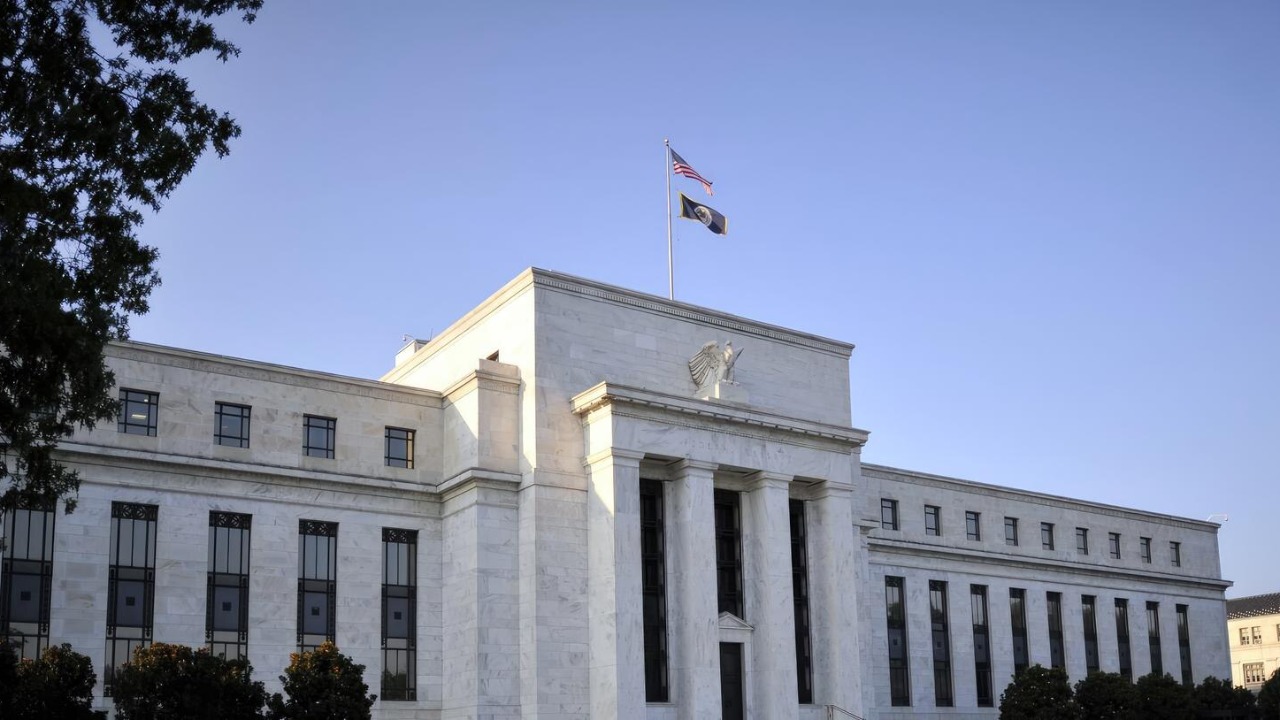
The Federal Reserve left its benchmark interest rate unchanged on January 28, pausing after three cuts in late 2025 and signaling little urgency to move again until inflation shows clearer signs of cooling. For borrowers, that means relief on mortgages, credit cards, and business loans is still likely to come slowly. For investors, it means the market must keep navigating a tricky mix of sturdy economic growth, sticky prices, and a central bank that still believes patience is the wiser course.
The timing matters because Wall Street entered the Fed meeting with stocks still trading close to all-time highs. The market’s rally this month has been fueled by strong corporate earnings, confidence in the broader economy, and hopes that the central bank would eventually resume easing. But the latest Fed decision was a reminder that those hopes are not the same as a timetable. Policymakers are no longer in crisis mode, and they do not appear eager to declare the inflation fight finished.
Why the Fed stood pat
In its January 28 policy statement, the Federal Open Market Committee said economic activity has been expanding at a solid pace, that the labor market has shown some signs of stabilization, and that inflation remains somewhat elevated. On that basis, officials kept the federal funds target range at 3.50% to 3.75%.
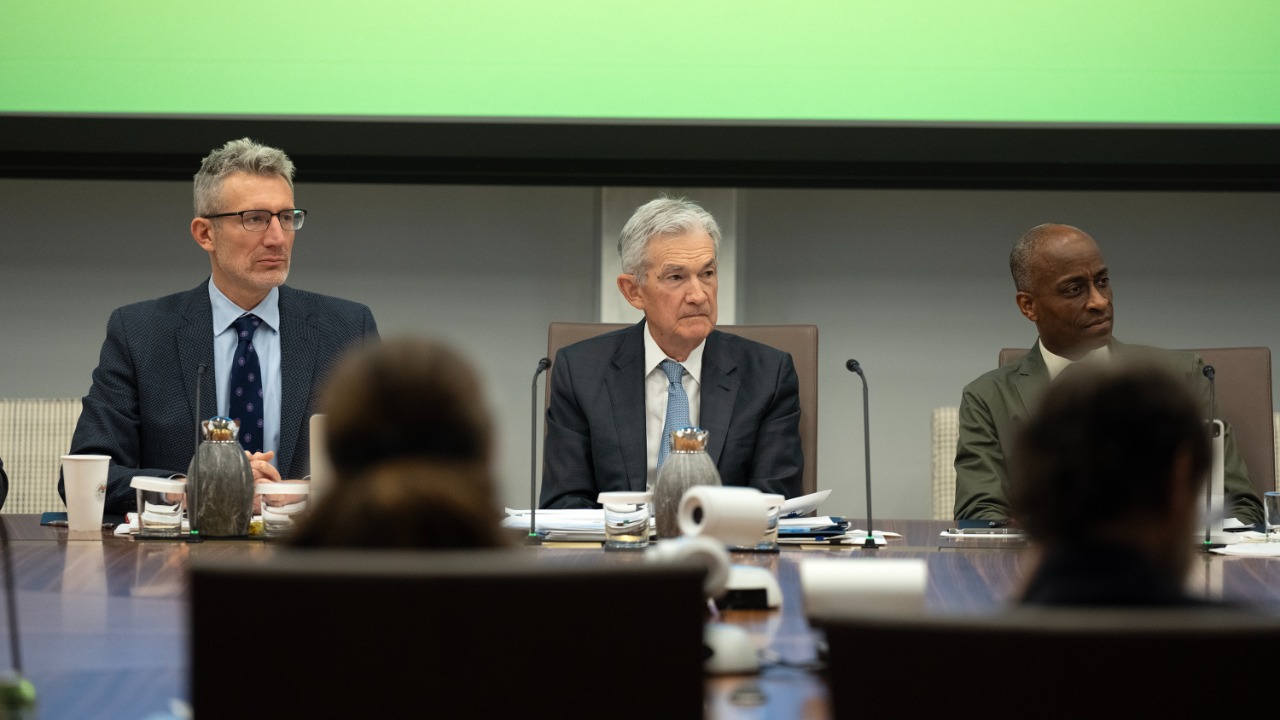
That language amounted to a message of controlled caution. The economy is not weak enough to demand quick rate cuts, but inflation is not tame enough to let the Fed relax. Chair Jerome Powell reinforced that view in his post-meeting press conference, saying policymakers believe they are well positioned to watch the data and let the economy speak for itself after the cuts already delivered last year.
That stance matters because it shows the Fed thinks policy is already meaningfully less restrictive than it was a few months ago. After trimming rates three times in 2025, officials now appear more interested in seeing how those moves filter through hiring, consumer spending, and inflation before deciding whether another adjustment is warranted. That is not a promise that cuts are off the table. It is a sign that the bar for the next one has gone up.
What the statement did, and did not, say
One reason January’s decision is easy to misread is that the meeting did not come with a fresh Summary of Economic Projections. That means there was no updated dot plot laying out a new official path for rates this year. Investors looking for a clean signal about how many cuts may come in 2026 did not get one.
Instead, the clearest takeaway came from the wording itself and from Powell’s tone. Reuters reported that the Fed gave little indication in its latest statement of when borrowing costs might fall again, even as the decision was widely expected by markets. The same reporting also noted that two governors dissented in favor of a quarter-point cut, a reminder that the committee is not perfectly aligned even if the center of gravity still favors waiting. Readers can trace that split in Reuters’ coverage here.
For households and businesses, the practical takeaway is more straightforward than the internal debate. Borrowing costs are still high by recent standards, and the Fed is not signaling imminent relief. Homebuyers, car shoppers, and companies planning capital spending are still operating in a rate environment designed to keep demand from running too hot.
Wall Street’s rally ran into a reality check
The market backdrop is where the original framing needed the biggest repair. Wall Street did reach record territory earlier in January, with Reuters reporting that the S&P 500 and Dow closed at record highs on January 12. By the week of the Fed meeting, investors were still bidding stocks higher ahead of major tech earnings and the policy decision, with Reuters noting on January 26 that the S&P 500 and Nasdaq had extended a four-session winning streak.
But by January 29, the mood had turned more complicated. Reuters reported that the S&P 500 and Nasdaq closed lower as investors digested major earnings results and renewed concern about whether enormous artificial intelligence spending would translate into profits quickly enough. The Dow eked out only a small gain. The Associated Press described a market that flirted with record highs before reversing sharply and finishing with modest changes.
That distinction is important. A headline saying Wall Street is hovering near record highs is accurate and compelling. A headline saying the Fed held rates steady as Wall Street hit record highs suggests a cleaner, more immediate cause-and-effect than the market action really showed. The better story is that stocks remained expensive and optimistic, but the Fed did not validate the idea that faster rate cuts are close at hand.
What the operational details reveal
Image Credit: Federalreserve – Public domain/Wiki Commons
Beyond the headline decision, the Fed’s implementation note offered a more technical look at how policy is being carried out. The Board kept the interest rate paid on reserve balances at 3.65%, held the overnight reverse repo offering rate at 3.50%, and maintained the standing repo rate at 3.75%.
Those details may sound obscure, but they matter because they show the Fed is not merely talking tough. Its operating framework is still built to keep short-term rates inside the target range and preserve a restrictive stance. The central bank also said it would continue rolling over Treasury holdings and reinvesting principal payments from agency securities into Treasury bills, a signal that it is not rushing back toward looser balance-sheet policy either.
In plain English, the Fed is trying to avoid sending mixed messages. If officials believe inflation is still somewhat elevated, then the mechanics of policy have to match that message. This is another reason markets looking for a quick return to cheap money may need to stay patient.
The road ahead
The next phase of this story will depend less on one Fed statement and more on the incoming data. If inflation cools more convincingly and the labor market softens without cracking, the case for another cut will strengthen. If growth stays firm and price pressures remain sticky, officials can afford to wait.
That leaves investors in a familiar position. Stocks can continue to rally if earnings stay strong and the economy avoids a sharper slowdown, but lofty valuations are harder to defend when the Fed is in no hurry to ease again. For consumers, the message is more concrete: borrowing costs should remain relatively high for now, even if the worst of the tightening cycle is already over.
For all the noise that surrounds every Fed meeting, the January decision was ultimately a vote for patience. Policymakers see an economy that is still growing, a job market that is no longer overheating, and inflation that has improved but not fully cooperated. In that environment, holding steady was the easy part. The harder part starts now, as Wall Street, borrowers, and the Fed all wait to see who blinks first.
David M. Keller is a finance writer based in Columbus, Ohio, covering personal finance and consumer-focused economic topics. He earned his degree in journalism from Ohio University and began his career reporting on local business and economic trends for a regional media outlet. Since then, he has contributed to a variety of online publications, focusing on clear, practical coverage of topics such as cost of living, debt, and everyday financial decision-making.