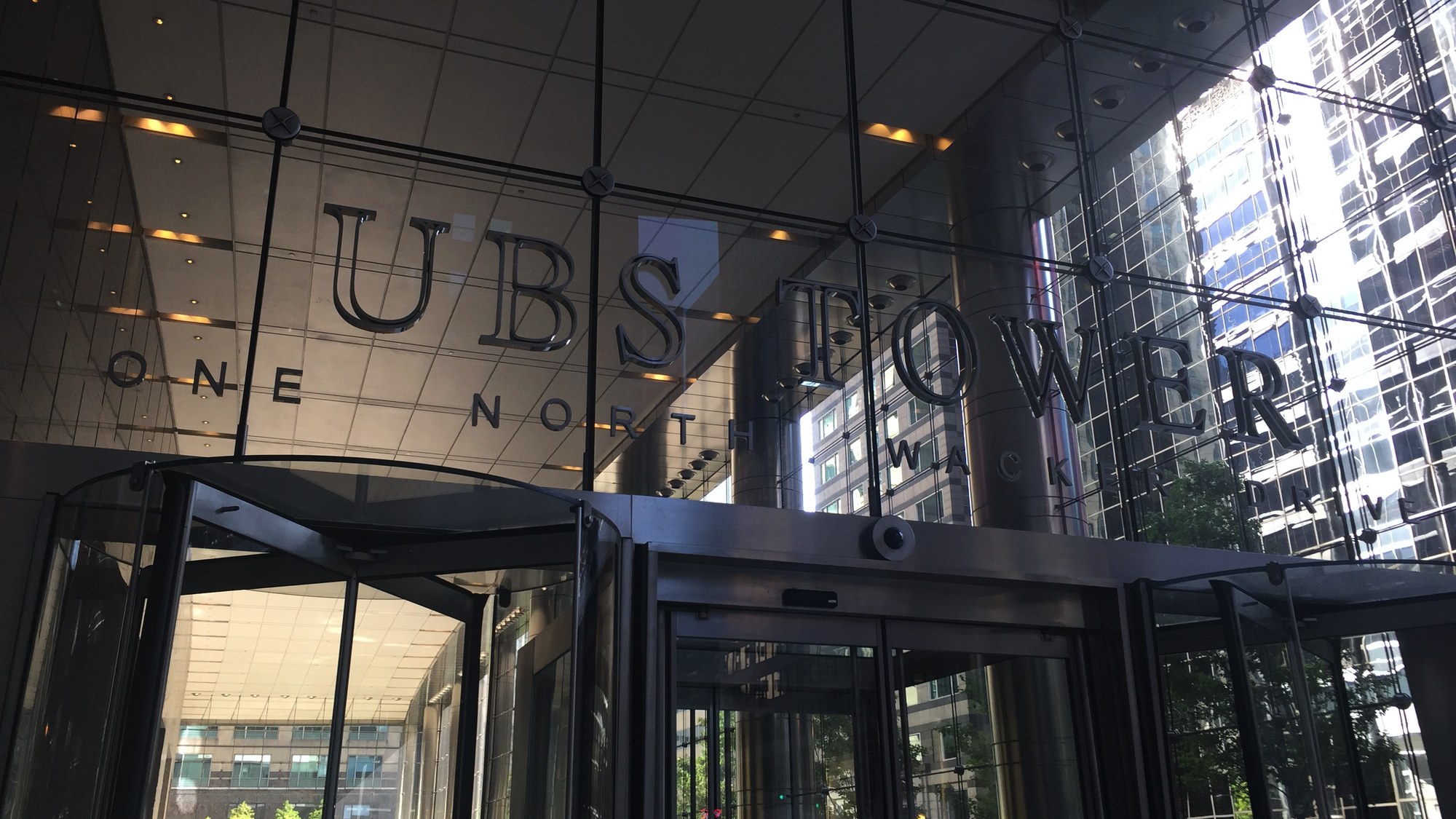
UBS Financial Services Inc. spent more than four years failing to properly track tens of thousands of international wire transfers moving through its brokerage and commodities accounts, according to a federal enforcement record made public in early August 2026. The Treasury Department’s Financial Crimes Enforcement Network closed the case with a $125 million civil penalty, the largest the agency has ever assessed against a broker-dealer for violations of the Bank Secrecy Act. The record shows a firm that had already promised regulators, in writing, that the same problem was fixed once before.
FinCEN’s $125 Million Penalty and UBS Financial Services’ Admission
On August 3, 2026, FinCEN assessed a $125,000,000 civil money penalty against UBS Financial Services Inc. (UBSFS), the U.S. broker-dealer and futures commission merchant subsidiary of UBS Group AG, for willful violations of the Bank Secrecy Act. FinCEN’s consent order states this is the largest penalty the agency has ever imposed on a broker-dealer for BSA violations. As part of the settlement, UBSFS admitted it willfully violated the law, including by failing to implement and maintain an anti-money-laundering program meeting the BSA’s minimum requirements and by failing to file required suspicious activity reports.
FinCEN Director Andrea Gacki tied the size of the penalty to the firm’s history with the agency. “Today’s historic action against UBSFS should send a clear message that recidivist financial institutions will face severe repercussions,” Gacki said. “Repeat violators of the Bank Secrecy Act jeopardize the integrity of our financial system, especially those that expose it to high-risk customers and activities without effective controls.” The order also requires UBSFS to hire a third party to conduct a new lookback for suspicious transactions that went undetected and to undergo an independent review of its broader AML program; FinCEN will waive up to $15 million of that review’s cost if UBSFS completes it and adopts the reviewer’s recommendations.
Free first-hour card: After a scam call or identity theft, the order of the first steps matters most. Keep the free first-hour action card on hand.
Inside the Gap: More Than 50,000 Wires and $10 Billion Left Unwatched
The consent order defines a “Relevant Time Period” running from January 1, 2019, through June 30, 2023, during which UBSFS failed to appropriately monitor more than 50,000 foreign currency wires with an aggregate value of more than $10 billion moving through its commodities and retail brokerage accounts. The order’s own tally puts the fuller number at more than 61,500 wires worth more than $10.5 billion; FinCEN’s public penalty announcement uses the more conservative 50,000-wire, $10 billion figure that appears in the headline finding.
For years, the firm relied on a manual process to catch suspicious foreign-currency activity: personnel queried four separate internal systems and copied the results into an Excel spreadsheet by hand, generating a report the order describes as running, at best, quarterly, with one run showing nearly half its records missing a valid account number. When UBSFS finally deployed an automated monitoring system in March 2021, more than two years after telling FinCEN the fix would be ready, the new system was itself misconfigured in ways that let gaps in coverage continue into 2023.
The order also details specific accounts an internal lookback surfaced in 2021, after UBSFS discovered a coding error had caused personnel to undercount certain wire values for roughly two years. Among them: a retail account tied to a Venezuelan financial institution whose wire originator was never identified; an account whose beneficial owner faced a money-laundering investigation and had already drawn an internal warning over negative news; and a Mexico-based customer, later kidnapped and murdered, whose account showed signs of pass-through activity that an internal investigator never examined. UBSFS’s lookback did not result in a suspicious activity report being filed on any of those accounts.
A Second Case Built on the Same 2018 Consent Order
This is FinCEN’s second enforcement action against UBSFS for the same category of failure. In December 2018, the firm entered a consent order and paid a $14.5 million penalty after FinCEN found, covering conduct from 2004 through April 2017, that UBSFS had failed to adequately monitor foreign currency wires because of weaknesses in its automated system. That order found the system failed to capture sender and recipient information, along with the country of origin and destination, on wires moving through commodities accounts — the same category of gap that persisted for years afterward. UBSFS told FinCEN it expected a new system in place by mid-2019; internally, the firm knew within weeks of signing the 2018 order that the deadline would slip, and it did not disclose that to FinCEN.
The Same-Day CFTC, SEC and FINRA Actions
The Commodity Futures Trading Commission filed and settled its own order against UBS Financial Services Inc. the same day, assessing an $8 million civil penalty for failing to diligently supervise the configuration of its anti-money-laundering transaction monitoring systems for the same foreign-currency wires. The CFTC’s order covers the identical January 2019-through-June 2023 window and describes the same pattern: a manual report that undercounted wire values for roughly two years because of a coding flaw, followed by a 2021 transition to automated monitoring that was itself improperly configured. The CFTC’s release states that the Securities and Exchange Commission and the Financial Industry Regulatory Authority also filed and settled related actions against the firm that day.
What Unmonitored Wire Rails Mean for Older Account Holders
The consent order does not identify elder-fraud victims among the affected transactions, and nothing in the record ties this specific case to scam proceeds. But the mechanism it describes — a foreign-currency wire that a monitoring system fails to flag before the money leaves the country — is the same rail that investigators say increasingly carries the proceeds of romance scams and so-called pig-butchering investment fraud aimed at older account holders. The FBI’s Internet Crime Complaint Center reported that in 2025, more than 201,000 victims age 60 and older filed complaints reporting losses exceeding $7.7 billion, a 37 percent increase over 2024, with confidence and romance scams accounting for $584 million of that total. Once a fraudulent wire clears a financial institution’s monitoring desk, banks and brokerages have far less ability to freeze or recall it, and international transfers are typically harder to reverse than domestic ones.
FinCEN’s order makes a parallel point from the institutional side, reminding covered firms that risk-based customer due diligence and prompt escalation of suspicious activity, not paperwork closing out an already-open alert, are what the Bank Secrecy Act requires of the accounts that move money in and out of the country.
Bank Monitoring Gaps and Personal Account Defense
Bank-side wire monitoring, the kind FinCEN and the CFTC found broken at UBSFS, is built to catch a suspicious transfer after a customer has already authorized it, and only when the institution’s own systems are configured to flag it. That leaves the earlier moment, when a wire request or a change-of-instructions call first comes in, as the point where a family has the most control. A short, agreed-upon verification step at that moment does not depend on any bank’s monitoring system working correctly.
The Senior Fraud Defense & First-Hour Recovery Kit is a 9-page kit that walks through the first-hour recovery plan and a family code word for verifying an unusual money request before a wire goes out.
See the family code word and the first-hour recovery steps in The Senior Fraud Defense & First-Hour Recovery Kit.
This article was researched and drafted with the assistance of AI and reviewed by an editor.