Federal prosecutors in Atlanta have charged a 39-year-old social media personality with 46 counts of mail fraud and 15 counts of aggravated identity theft in an alleged food stamp scheme. Prosecutors say more than $660,000 in benefits ran through a store’s card reader between April 2024 and November 2025. A federal grand jury returned the indictment on October 7, 2026, and the U.S. Attorney’s Office announced it on October 21.
The defendant is Mercedes Reshard New, who goes by “Shawty Dred” online. The indictment also carries one count of Supplemental Nutrition Assistance Program (SNAP) fraud and one count of illegal transactions with access devices. The charges are allegations. New is presumed innocent, and the government must prove guilt beyond a reasonable doubt at trial.
The case shows how a store terminal can become a pipeline for benefits meant for families. According to the U.S. Attorney’s release, New allegedly opened more than 350 SNAP accounts using stolen identities and had the Electronic Benefit Transfer (EBT) cards mailed to addresses around metro Atlanta. Prosecutors say he then applied for his company to become an authorized SNAP retailer and ran the cards through its point-of-sale device.
For older adults on food assistance, the practical question is how a stolen card number or a fake account ends up emptying a real person’s balance, and what a household can check after a month with unexplained charges.
Stay ahead of SNAP and food benefit news: Miss an enrollment or claim deadline and the money can be gone. Join the Retirement Money Brief and we’ll send you our SNAP Recertification & EBT Checklist as a welcome gift.
Get the Brief + the SNAP checklist →
We may earn a commission from links on this page.
How prosecutors say the card reader was used
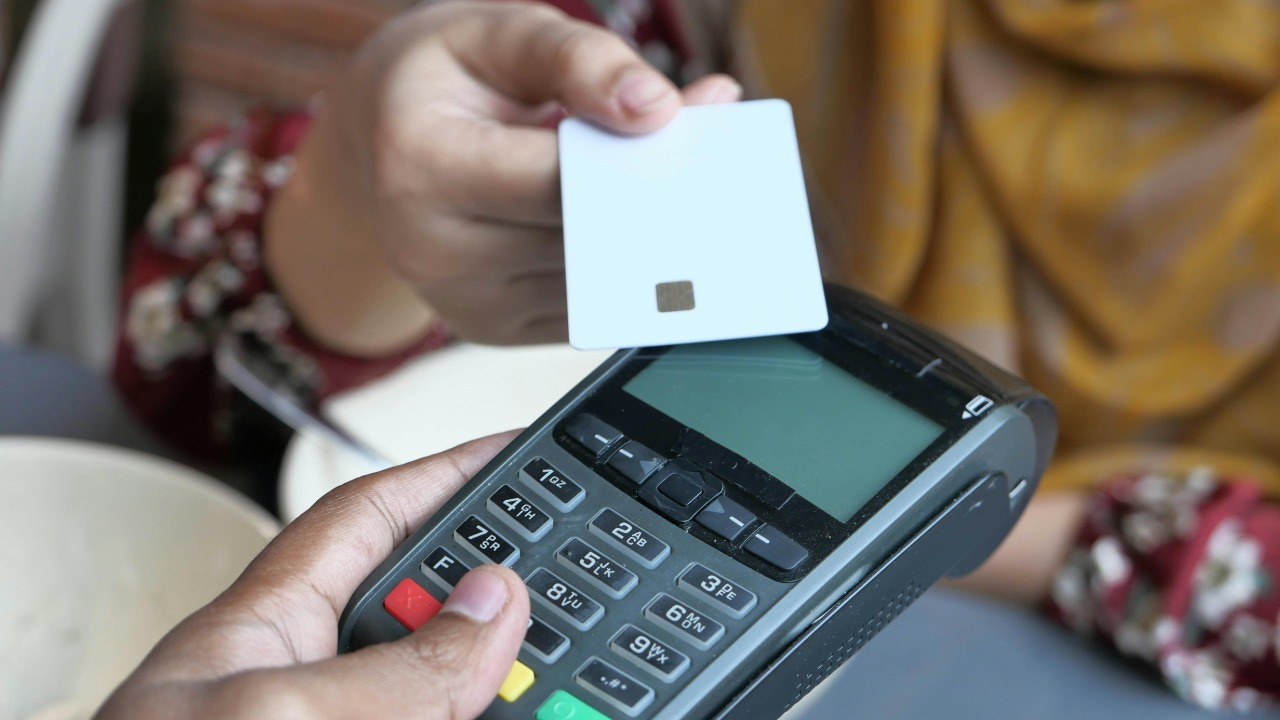
The release describes a store tied to Shawty Dred LLC, the company New allegedly set up to accept SNAP. Prosecutors say the fraudulent cards were swiped on a device linked to that company, and benefits moved from state-funded accounts into the business. No real groceries needed to change hands for the money to move.
The Georgia Division of Family & Children Services is alleged to have been tricked into moving about $4.6 million into the fraudulent accounts. Prosecutors say about $4 million was drained through the cards. U.S. Attorney Theodore S. Hertzberg said New “allegedly stole over $4 million meant for poor families who need help putting food on the table.”
What happened when the store lost its license
The U.S. Department of Agriculture revoked the store’s SNAP authorization in November 2025, according to the release. About two weeks later, local police arrested New for allegedly selling SNAP benefits at a metro Atlanta store and seized 14 EBT cards issued to other people.
Prosecutors say the activity did not stop there. After the seizure, New allegedly had replacement cards mailed to the store address and other Atlanta addresses. He was arrested in Las Vegas on October 13 and turned over to the U.S. Marshals Service pending further proceedings.
A national sweep around one Atlanta case
The Atlanta indictment was announced alongside a wider enforcement push. The Justice Department, USDA and the USDA Office of Inspector General reported actions against more than 40 defendants between September 1 and October 21, with nearly $42 million of the intended losses tied to SNAP fraud. The cases ranged from skimming devices in Oregon to fake transactions with stolen EBT data in Ohio and applications built on the identities of more than 650 people in Michigan.
USDA Inspector General John Walk said the surge “is only the beginning.” Marlo Graham, the FBI’s special agent in charge in Atlanta, said the bureau “will aggressively pursue anyone who exploits these much-needed programs for personal gain.”
What a household can check on its own EBT account
None of this means a household on SNAP did anything wrong. The charges describe misuse of accounts and identities, and ordinary recipients are the people the programs exist for. Still, stolen EBT data and fake accounts leave traces in transaction history.
A household can review its recent EBT purchases for stores it never visited and compare them against receipts. Unexplained charges, a card that stops working, or a replacement card that never arrived are reasons to call the state’s EBT customer line right away. Anyone who suspects benefits are being stolen or sold can report it to the USDA OIG hotline at (800) 424-9121 or through its online form. The hotline page says USDA OIG staff do not make unsolicited calls asking for private information.
EBT balance dropping with no store visits?
Unexplained draws are the signal to act on first.
The Atlanta case describes benefits leaving through stolen identities, fake accounts and a store terminal, and the people hurt are real families who find a balance gone. The same ways in, an account already open, a new account opened in a name, or a person talked into moving the money, are how scammers reach bank accounts and credit files too.
The story’s money question is how a card reader drains benefits, and the related job is shutting those doors at home. Scam-Proof Your Accounts in a Weekend gives ten moves in weekend order, including how to freeze credit at all three bureaus, free by federal law, how to lock bank logins with two-step login, alerts and a verbal password, and a family code word for fake grandchild-in-trouble calls.
This article was produced with AI assistance and edited for accuracy against the sources linked above.