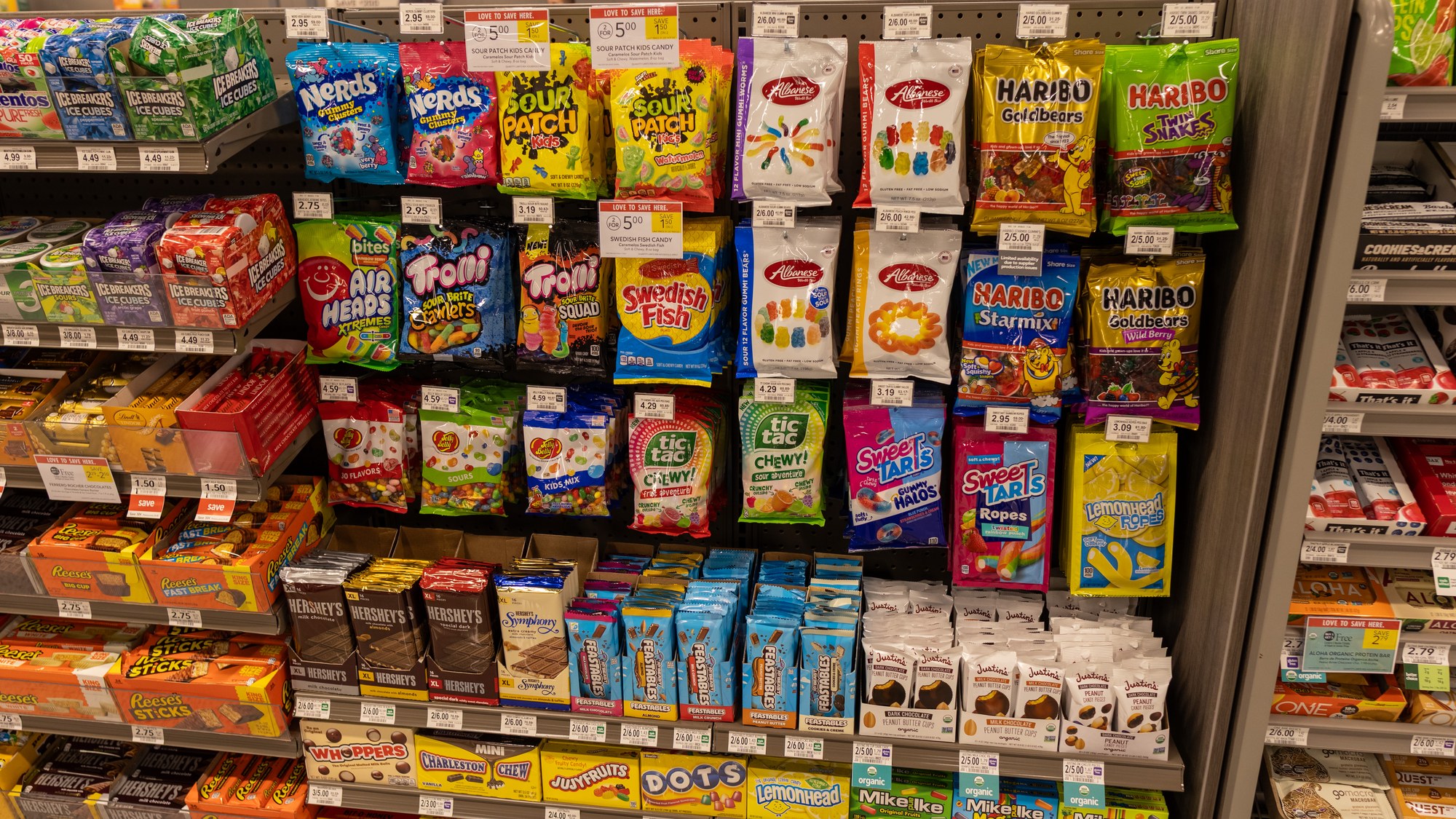
SNAP shoppers in Colorado, Iowa, Tennessee and West Virginia can still buy soda and candy with their benefits, and a federal court order is the reason. USDA’s updated list of food restriction waivers shows no start date for any of the four states. The order came June 22, and the list still carries it as the reason.
These were four of the states that had won federal approval to limit what the food program pays for. Their approvals were thrown out in court before the rules could take hold.
What the judge decided
SNAP recipients in five states sued as Aragon v. Rollins, and Judge Amy Berman Jackson of the U.S. District Court for the District of Columbia ruled that USDA exceeded its authority in approving the waivers. She said the court’s job was to ask what Congress has said an agency can do, not what the agency thinks it should do, and she stressed that the ruling did not judge whether the pilots were good policy.
The law firm Covington’s summary of the decision says the court found the pilot-project provisions of the SNAP law did not cover projects aimed at health and obesity, and that USDA did not meet the “more stringent” requirements for the section that does. The court also held USDA cannot waive the statutory definition of “food.”
The order vacated the approvals and sent them back to USDA. The waivers cannot proceed, USDA’s list says, in the four states it still lists as blocked.
The question for a SNAP household in any of the four states is whether a purchase limit applies right now. For these four, the answer on USDA’s list is no, because no date has been set. Cola, candy and the rest still go through on the card in those states, since the approvals that would have blocked them no longer stand.
Retirement deadlines, in your inbox: Miss an enrollment or claim deadline and the money can be gone. The Retirement Money Brief keeps you ahead of the ones that matter, every weekday.
Get the Retirement Money Brief →
We may earn a commission from links on this page.
Four states, four different plans
The restrictions were not identical, and the USDA table shows how different they were. Colorado had planned to restrict soft drinks. West Virginia had planned to restrict soda. Tennessee’s list covered processed foods and beverages such as soda, energy drinks and candy.
Iowa’s was the widest of all. USDA’s table says Iowa sought to restrict all taxable food items under its state revenue definitions, except food-producing plants and seeds. When the rules were first announced, the Food Research and Action Center said Iowa’s item list “does not provide enough specific information” for shoppers to know what they can buy.
Nebraska is no longer on the blocked list
The June order named five states, and Nebraska was the fifth. Today, USDA’s list shows Nebraska with a December 1, 2026 start date for soda, soft drinks and energy drinks, with candy added March 1, 2027. The list does not say how Nebraska moved from the order to a start date.
The Food Research and Action Center noted at the time that Nebraska could raise additional issues because it had requested another waiver during the litigation. That is the group’s observation, not a finding by the court, and USDA’s list gives no reason of its own.
An appeal, a review and a patchwork of rules
An appeal to the U.S. Court of Appeals for the D.C. Circuit was expected, FoodNavigator reported after the ruling. Agriculture Secretary Brooke Rollins wrote on X that the judge was “an activist judge” who blocked a “commonsense restriction.” USDA said it would keep fighting.
The agency’s lawyers and the Justice Department were also reviewing the orders, according to WRHI in South Carolina, where the review helped push a start date from August 31 to November 1. That reporting ran in late August.
Margaret Mannion of the National Association of Convenience Stores said of the waivers, “These waivers do not make SNAP more efficient. They make it more confusing.” The trade group argues the state-by-state patchwork is administratively unworkable for stores.
Eighteen approvals outside the order
USDA has approved waivers for 23 states in all. The court’s order directly covers five, which leaves 18 approvals outside its direct scope, Covington said, though the court’s reading of USDA’s authority could affect them and future requests.
Eight of the 18 have dates that have already passed: Arkansas, Florida, Idaho, Indiana, Louisiana, Oklahoma, Texas and Utah. Montana, North Dakota, South Carolina and Virginia follow on November 1, and the rest are dated from December 2026 into 2028.
Does a SNAP limit apply where a household lives?
USDA’s food restriction waiver page, updated October 13, is the free, official place to check a state’s status. It lists a date or a court-blocked note for every one of the 23 states.
A household in one of the four blocked states has no limit today. That could change if USDA prevails in court, and a household in any other state on the list should look for the date and the items covered.
Does your state’s SNAP card carry a soda limit right now?
A household that assumes its state has a SNAP limit, or assumes it does not, can pack the wrong cart. Court orders and start dates are changing from month to month, and the same card can follow different rules a state line away.
The SNAP & Medicaid Renewal Organizer holds 51 state packs, so a household can look up its own state instead of reading about all 23 on the federal list. It also includes a renewal and reporting calendar, which keeps the dates that decide whether SNAP keeps arriving in one place.
See your state’s SNAP rules in the 51 state packs inside the renewal organizer →
More Financial Reading
- 15 Places to Find Your Share of the $4.25 Billion States Give Back
- 21 Ways to Stretch a $2,087 Social Security Check
- 15 Ways Out of 22% Credit Card Interest
This article was produced with the assistance of AI and reviewed by the editorial team.