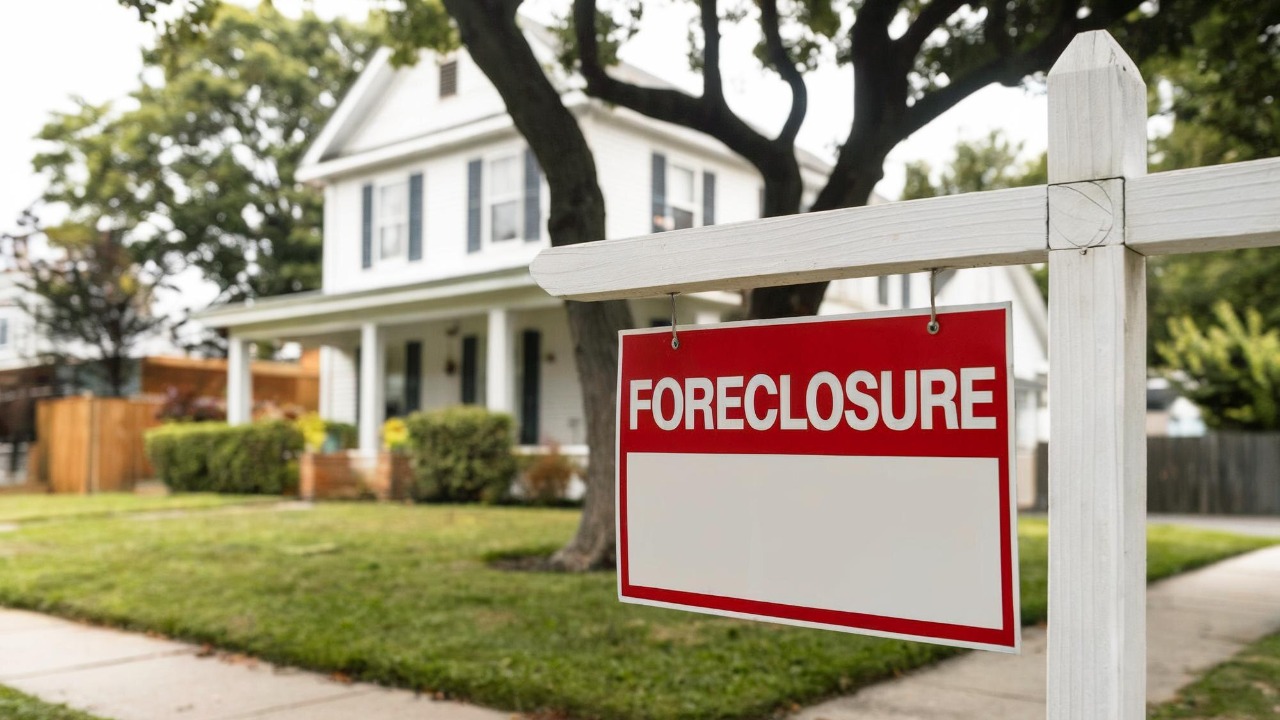
Foreclosure pressure was building across the U.S. housing market heading into the end of 2025, with more borrowers falling behind even as the broader economy avoided the kind of collapse that defined the last housing bust. The shift has been gradual rather than explosive, but it has become difficult to ignore. Monthly and quarterly foreclosure data showed that filings were rising again on an annual basis, a sign that more households were running out of room in their budgets after years of elevated borrowing costs and stubborn ownership expenses.That does not mean the country is headed for a replay of 2008. Homeowners still hold far more equity than they did during the last crisis, and mortgage underwriting has remained much tighter. But the latest numbers suggest the market is no longer protected by pandemic-era relief programs or ultra-low mortgage rates. For borrowers already stretched by taxes, insurance, debt payments and higher monthly housing costs, even a small setback can now carry bigger consequences.
Foreclosure activity was rising before year-end
According to ATTOM’s November 2025 Foreclosure Market Report, 35,651 U.S. properties had a foreclosure filing in November. That was down 3 percent from October, but up 21 percent from a year earlier, marking the ninth straight month of annual increases. The report also found that foreclosure starts in November rose 17 percent from a year earlier, while completed foreclosures climbed 26 percent.The quarterly picture showed the same pattern. In ATTOM’s third-quarter report, 101,513 U.S. properties posted foreclosure filings between July and September, up 17 percent from a year earlier. Foreclosure starts rose 16 percent from the same quarter in 2024. That matters because starts are one of the clearest signals that loan stress is moving beyond missed payments and into formal legal action.Those figures are still far below the extremes of the housing crash, but they are moving in the wrong direction. The trend is no longer confined to one noisy month or a single region. By late 2025, the rise in filings had become broad enough to suggest that affordability stress was translating into real distress for a growing number of borrowers.
Why higher housing costs are biting borrowers
Mortgage rates had eased somewhat by December, but not nearly enough to restore the easy math that existed before 2022. Freddie Mac said the average 30-year fixed mortgage rate was 6.22 percent on December 11, 2025, and other widely followed weekly updates put the rate at about 6.21 percent on December 18. That was lower than earlier peaks, but still high enough to keep monthly payments elevated for recent buyers and for owners who never got the chance to refinance at ultra-low rates.The pressure has not come from mortgage rates alone. The Mortgage Bankers Association said in November that the delinquency rate for one-to-four-unit residential properties rose to 3.99 percent in the third quarter of 2025. MBA also said the share of loans with foreclosure actions started increased to 0.20 percent. Marina Walsh, the trade group’s vice president of industry analysis, pointed to a softer labor market, other personal debt obligations, and increases in taxes, homeowners’ insurance and other fees as sources of stress, especially for FHA borrowers.That combination helps explain why foreclosure activity can rise even without a collapse in home prices. A borrower does not need to be deeply underwater to get into trouble. A job disruption, rising escrow payment, medical bill or credit-card balance can be enough when a household is already operating with little margin for error.
This still does not look like 2008
There is an important difference between today’s market and the one that unraveled during the financial crisis. Loan quality is better, risky mortgage products are less common, and many homeowners still have meaningful equity cushions. Even ATTOM has described the recent rise as part of a market normalization rather than evidence of a full-scale housing meltdown.That distinction matters, but it should not be overplayed. A foreclosure wave does not have to reach 2008 levels to hurt households and neighborhoods. When a borrower enters foreclosure, the damage to credit can linger for years. Families may be forced into a rental market that remains expensive, while nearby properties can feel the impact of vacancy, deferred maintenance or distressed resale activity.In other words, this is not a crisis story in the old sense. It is a pressure story. More borrowers are struggling to hold onto homes in an environment where the safety valves are weaker than they looked a few years ago.
Some markets are feeling the strain more than others
National numbers only tell part of the story. ATTOM’s third-quarter report showed some of the highest foreclosure rates in states such as South Carolina, Florida, Nevada, Delaware and Illinois, while metro areas including Lakeland, Columbia and Chicago ranked among the most exposed. Those are not identical markets, but they share a common theme: they have pockets where affordability is tight and households can be especially sensitive to payment shocks.That uneven geography matters for readers because foreclosure activity rarely rises in a perfectly even national pattern. It tends to show up first in markets where buyers stretched hardest, insurance or tax costs jumped fastest, or local economic conditions weakened enough to expose households that were already on the edge.
Borrowers do have options, but time matters

Homeowners who fall behind are not automatically out of moves. HUD says borrowers with FHA-insured mortgages may still have access to loss-mitigation tools designed to help them keep their homes or avoid foreclosure. Earlier in 2025, the agency also announced updated permanent loss-mitigation options based on lessons from the pandemic period.But those programs work best when borrowers act early. Once missed payments pile up and the legal process advances, the choices narrow. That is one reason rising foreclosure starts matter more than they may appear to on first read. They suggest more homeowners are moving past temporary strain and into the part of delinquency that is hardest to reverse.
What the market will be watching next
The next big question is whether the rise in filings proves temporary or carries into 2026. If rates move down further and the labor market steadies, some households may regain enough breathing room to avoid default. If taxes, insurance and consumer debt keep climbing, or if job growth softens more sharply, the recent increase in foreclosure activity could continue.For now, the clearest conclusion is that the pressure is real even if the panic is not. The housing market has not broken, but it is no longer being cushioned by the same extraordinary support that kept distress unusually low in the years immediately after the pandemic. More borrowers are slipping, and by the end of 2025 that trend had become visible enough to deserve close attention.

Paul Anderson is a finance writer and editor at The Financial Wire. He has spent seven years writing about investment strategies and the global economy for digital publications across the US and UK. His work focuses on making sense of economic policy, cost-of-living issues, and the stories that affect everyday Americans.