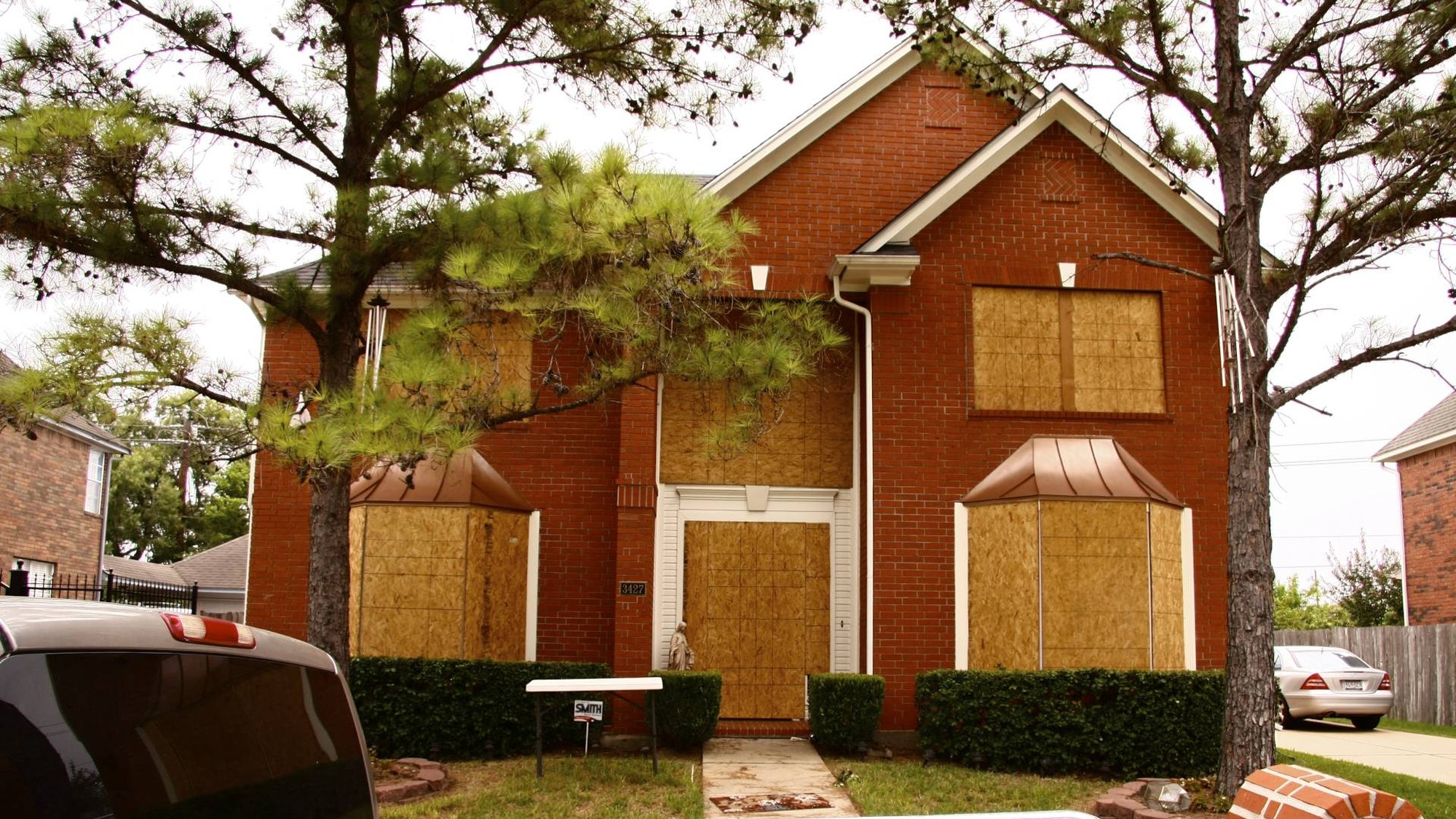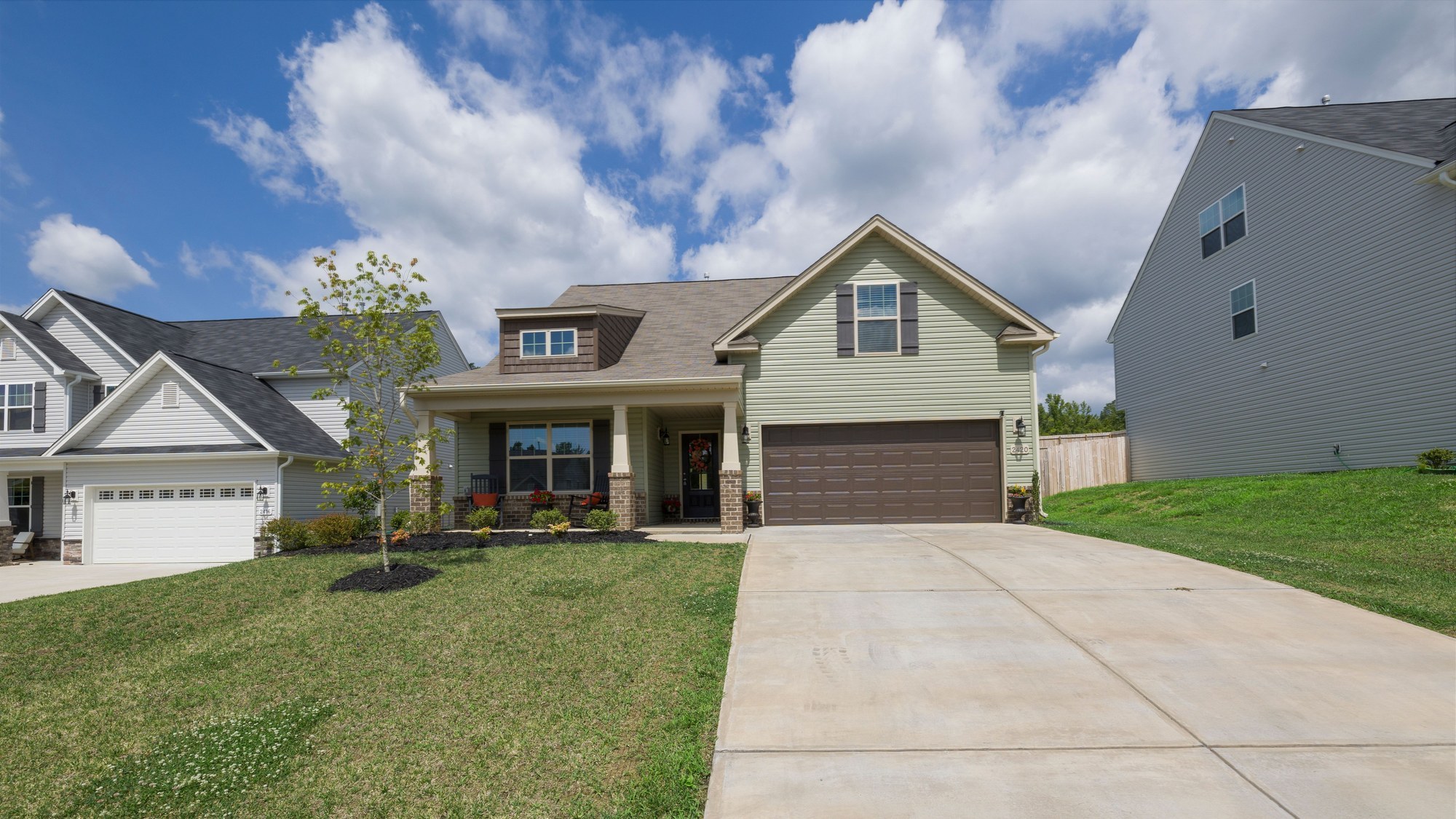
A homeowner in Cape Coral, Florida, who locked in a 3.25% mortgage rate in 2021 expected a stable monthly payment for the next 30 years. The loan has performed exactly as promised. What nobody underwrote was the insurance bill: her annual premium jumped from $1,800 to nearly $5,400 over three years, and when the increase hit her escrow account, her monthly housing cost climbed by more than $300. She is now two payments behind and facing a foreclosure filing.
Her situation is not unusual. Foreclosure filings reached approximately 97,000 properties in the first quarter of 2026, the highest quarterly total since early 2020, based on trend data from ATTOM Data Solutions, which has tracked a steady climb in filings since late 2024. But unlike the wave that crested during the subprime meltdown, this one is not being driven by risky loans or collapsing home values. The borrowers losing their homes often hold plain, fixed-rate mortgages originated at historically low interest rates. What changed is everything around the mortgage: insurance premiums that have doubled in parts of the country, property taxes that keep climbing, and escrow adjustments that can add hundreds of dollars a month to a payment that was supposed to stay predictable.
The numbers behind the surge
ATTOM’s data shows foreclosure starts rose roughly 12% year over year through early 2026, continuing an upward trend that began gaining momentum in late 2024. The Mortgage Bankers Association’s National Delinquency Survey has shown the share of loans 90 or more days past due ticking upward for multiple consecutive quarters, even as the overall delinquency rate remains well below crisis-era peaks.
What stands out is who is falling behind. An analysis of Federal Reserve data on housing debt-to-income ratios found that borrowers entering foreclosure increasingly carry debt loads that looked manageable at origination but have been pushed past the breaking point by non-mortgage costs. Their loan terms did not change. Their bills did.
The pattern is sharpest in states where insurance markets have been upended by catastrophe losses. In Florida, the average annual homeowners premium topped $6,000 in 2025, roughly triple the national average, according to the Insurance Information Institute. Louisiana, Texas, and parts of California have seen similar spikes. When those increases flow into a borrower’s escrow account, the monthly housing payment can jump by $200 to $400 or more, even though the mortgage rate has not moved a fraction of a point.
How insurance becomes the tipping point
Most homeowners with a mortgage are required to carry hazard insurance, and most pay for it through an escrow account managed by their loan servicer. When the insurer raises the premium at renewal, the servicer recalculates the escrow and passes the increase along in the monthly payment. For a household already spending 35% or 40% of gross income on housing, a sudden escrow adjustment can be the difference between staying current and falling behind.
The squeeze gets worse when an owner’s policy is canceled or not renewed altogether. Major carriers have pulled back from high-risk markets across the Gulf Coast and in wildfire-prone parts of the West, forcing homeowners onto state-run insurers of last resort or surplus-lines carriers that charge significantly more. If a borrower fails to secure replacement coverage quickly enough, the servicer can place a lender-ordered policy, known as force-placed insurance, that typically costs two to three times what a standard policy would, according to the Consumer Financial Protection Bureau. That cost lands directly on the borrower.
Here is what the math looks like in practice. A homeowner who locked in a 3.25% rate in 2021 might have budgeted $1,400 a month for principal, interest, taxes, and insurance. By 2026, insurance and tax increases alone could push that payment past $1,900 without any change to the loan itself. Layer on credit card minimums, an auto loan, and grocery prices that are roughly 20% higher than they were four years ago, and the margin for error disappears entirely.
Why this wave looks different from 2008
During the last foreclosure crisis, the root cause was embedded in the mortgage itself. Lenders had extended adjustable-rate, low-documentation, and subprime loans to millions of borrowers who could not sustain the payments once teaser rates expired or home prices fell. Underwriting was the problem, and tightening it was a large part of the solution.
Today’s distressed borrowers, by contrast, largely passed the stricter post-crisis underwriting standards put in place after Dodd-Frank. They put down reasonable down payments, documented their income, and qualified at fully indexed rates. Many still hold substantial equity: the typical homeowner with a mortgage had roughly $315,000 in tappable equity as of late 2025, according to CoreLogic’s Homeowner Equity Insights. That cushion means most will not end up underwater, and many who cannot keep up will sell rather than lose the home to foreclosure.
But equity does not pay the monthly bill. And for owners in markets where insurance costs have spiked fastest, selling is complicated by the fact that buyers face the same premium sticker shock, which can depress demand and slow sales. In parts of coastal Florida and rural Louisiana, homes are sitting on the market longer as buyers factor in insurance quotes that rival the mortgage payment itself.
The geographic footprint is different, too. The 2008 crisis hit hardest in Sun Belt boomtowns and exurban developments where speculative building had outrun demand. The insurance-driven stress of 2026 is concentrated in disaster-prone regions, but it also reaches into Midwestern communities hit by severe convective storms and hail, areas that were largely spared during the subprime bust. Local governments and servicers in places with little recent foreclosure experience are now dealing with rising caseloads and few established playbooks for managing them.
The policy and market ripple effects
Rising foreclosures tied to insurance costs create a feedback loop that is difficult to interrupt. When distressed sales increase in a neighborhood, comparable values can soften, which erodes the tax base that local governments depend on for schools, roads, and emergency services. Lower property values can also reduce the equity buffer for neighboring homeowners, making them more vulnerable if their own insurance costs spike next.
Policymakers are responding, though unevenly. Florida passed a package of insurance reforms in late 2022 aimed at reducing litigation costs and stabilizing the market. Premiums have moderated in some parts of the state but remain far above historical norms. California’s insurance commissioner has been pushing carriers to re-enter the market by allowing them to use forward-looking catastrophe models in rate-setting, a change that could raise premiums further in high-risk zones even as it brings more coverage options back. Louisiana and Texas have explored expanding their state-backed wind pools, but funding those pools requires either taxpayer support or assessments on existing policyholders, neither of which is politically simple.
At the federal level, lawmakers have floated proposals to create a national catastrophe reinsurance backstop, modeled loosely on the Terrorism Risk Insurance Act, that would cap insurer losses from extreme events and theoretically keep premiums more stable. None of those proposals have advanced past the committee stage as of mid-2026. Meanwhile, the Federal Emergency Management Agency’s National Flood Insurance Program continues its transition to risk-based pricing under its Risk Rating 2.0 framework, which has already raised flood insurance costs for hundreds of thousands of policyholders in coastal and riverine areas.
For the mortgage industry, the trend raises a fundamental question about how lenders evaluate long-term affordability. Debt-to-income ratios calculated at origination capture insurance costs as they exist on the day the loan closes, but they do not account for the possibility that premiums could double within a few years. Some housing finance analysts have argued that lenders in high-risk regions should stress-test borrowers against plausible insurance increases, much the way adjustable-rate borrowers are qualified at a higher rate. Whether Fannie Mae, Freddie Mac, or federal regulators move in that direction will shape how accessible homeownership remains in the parts of the country most exposed to climate-driven insurance volatility.
What homeowners facing escrow shock can do now
Borrowers who find themselves staring at a sharply higher monthly payment after an escrow adjustment are not entirely without options, though none of them are painless.
The first step is to shop aggressively for insurance. Premiums vary widely between carriers, and an independent insurance agent who works with multiple companies can sometimes find coverage that is hundreds of dollars cheaper than a renewal quote. Raising the deductible, bundling policies, or retrofitting a home with storm-resistant features (impact windows, a fortified roof) can also bring premiums down, though the upfront cost of retrofits is a barrier for many.
Homeowners who have already fallen behind should contact their loan servicer before the situation escalates. Federal servicing rules require servicers to evaluate borrowers for loss mitigation options before completing a foreclosure. That can include repayment plans, loan modifications, or in some cases forbearance agreements that temporarily reduce or pause payments. FHA, VA, and USDA borrowers have additional protections and workout options specific to those programs.
State-level hardship programs exist in some of the most affected markets. Florida’s Homeowner Assistance Fund, funded through the American Rescue Plan, has distributed aid for insurance and property tax arrears, though funding is limited and demand has outpaced supply. Similar programs operate in Louisiana and several other states.
For homeowners with significant equity who simply cannot sustain the new cost of ownership, selling before a foreclosure filing hits their credit may be the most practical path. It is not the outcome anyone wanted when they signed a 30-year note at a rate they may never see again. But a voluntary sale preserves options that a completed foreclosure takes away for years.
Where the pressure builds from here
The next few quarters will clarify whether Q1’s foreclosure numbers represent a plateau or the early stage of a longer climb. Hurricane season, which runs from June through November, is the most immediate wildcard. A major landfall in Florida, the Gulf Coast, or the Carolinas would trigger another round of insurer losses, policy cancellations, and premium hikes that could push more borrowers past their limits heading into 2027.
Investors in mortgage-backed securities are already adjusting. Spreads on bonds backed by loans in high-insurance-cost states have widened modestly, reflecting the market’s recognition that non-rate housing costs are a credit risk that was underpriced for years. If that repricing accelerates, borrowers in affected regions could face not just higher insurance but also higher mortgage rates, compounding the affordability problem in the places that can least absorb it.
For homeowners caught in the middle of this, the core frustration is that they did everything the system asked of them. They qualified for a mortgage they could afford, locked in a low rate, and made their payments on time. The contract they signed has not changed. The cost of keeping it has. And that is what makes this foreclosure cycle fundamentally different from the last one, and for the families living through it, no less devastating.