Medicare Advantage enrollees at four hospital systems around the country are being told the same thing this month: their hospital will no longer be in their plan’s network starting October 1. The systems span four different states and two different insurers, but the calendar problem is identical in each case. The date coverage lapses lands two weeks before the Medicare Annual Enrollment Period even opens, leaving affected patients with a stretch of time when their usual hospital costs more and switching plans is not yet an option. None of the four disputes had been resolved as of this week, and none of the parties involved have moved the October 1 date.
Humana Narrows the Ohio State Network
In Columbus, the dispute is between Humana and The Ohio State University Wexner Medical Center, including the James Cancer Hospital and OSU’s physician groups. The two sides did not reach a renewed contract, and the change applies specifically to people who bought an individual Medicare Advantage plan on their own, rather than through a former employer’s retiree coverage.
Humana’s own statement on the contract says group Medicare Advantage plans and Humana Medicaid members keep in-network access to Ohio State facilities; it is the individually purchased Medicare Advantage plans, covering roughly 26,000 people, that go out of network October 1. Patients already partway through active treatment, such as cancer care, may qualify for continuity-of-care protections that hold the in-network rate for a defined period even after the contract ends, a detail Humana and Ohio State are directing enrollees to sort out with their own plan directly rather than assume automatically.
Free retirement updates: One number can cost or save hundreds a month in retirement. The free Retirement Shield newsletter surfaces the ones worth knowing. Sign up free.
UnitedHealthcare’s Three Parallel Fights
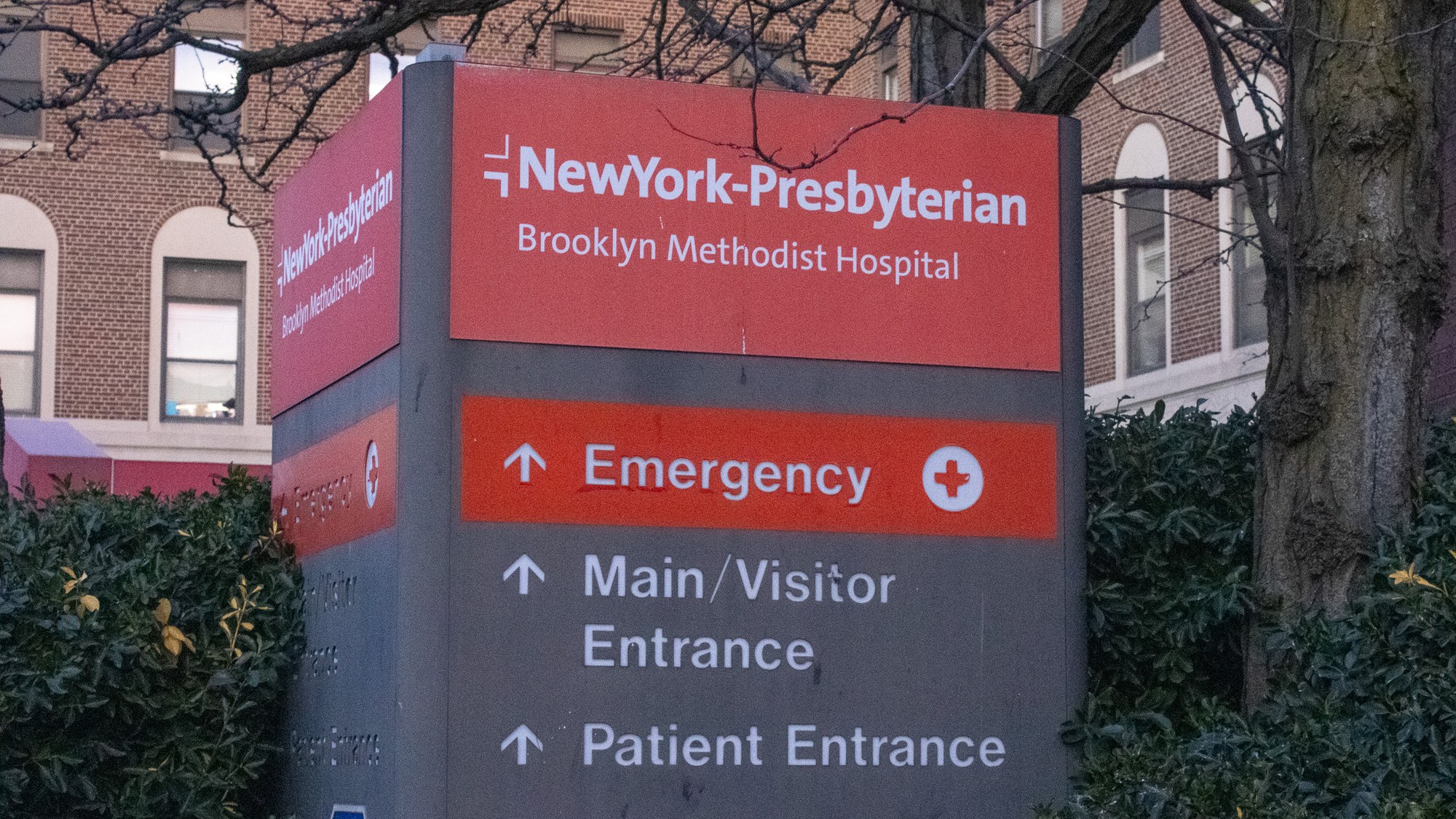
The other three systems are all negotiating separately with UnitedHealthcare, and each has landed on the same October 1 deadline. NewYork-Presbyterian’s own notice to patients says the hospital and its medical groups already had in-network coverage extended once, and the current extension for most Medicare Advantage, commercial and Medicaid members now runs only through September 30; absent a new multi-year agreement before then, the hospital system and its practices become out-of-network for most Medicare Advantage members October 1.
Valley Health System, which serves patients across Virginia and West Virginia, is in a similar position. UnitedHealthcare’s own negotiation page for the system states that both individual and employer-sponsored group Medicare Advantage plans lose in-network status at Valley Health facilities October 1, a change local reporting puts at roughly 8,000 affected patients, after UnitedHealthcare rejected the system’s proposal to renew the existing contract. In Oklahoma, Norman Regional Health System already went out of network with a different insurer, Aetna, in August; UnitedHealthcare’s own page for that negotiation confirms Norman Regional’s Group Retiree and Dual Special Needs Plan members lose in-network coverage on the same October 1 date if talks do not produce a deal first, even as the insurer says it remains willing to keep negotiating.
Coverage Ends Two Weeks Before Anyone Can Switch
What makes the October 1 date sting is what it is not lined up with. The Centers for Medicare and Medicaid Services sets the Medicare Annual Enrollment Period, the window when any beneficiary can freely switch Medicare Advantage plans or move back to Original Medicare, from October 15 through December 7. Four different networks lapse two weeks before that window opens, which means an enrollee who wants to keep seeing a longtime cardiologist or oncologist at one of these systems cannot simply pick a new plan the day coverage changes.
In the interim, patients are largely dependent on whatever continuity-of-care rules their specific plan applies, or on a case-by-case special enrollment period tied to the loss of network access, rather than on the standard annual switching window that does not arrive until mid-October. A broader industry tracker maintained by Becker’s Hospital Review shows these four disputes are part of a wider pattern of Medicare Advantage contract breaks playing out at hospital systems nationwide this year, not an isolated coincidence limited to one region or one insurer.
Why the Same Fight Is Happening in Four Places at Once
Hospitals and insurers point to different causes for the wave of contract breaks. Some systems say they are the ones walking away over reimbursement rates that have not kept pace with rising costs; in other cases, including Ohio State’s, it is the insurer that notified the hospital it was ending the agreement rather than the other way around. What is consistent across all four disputes is the underlying structure: Medicare Advantage plans negotiate network rates directly with individual hospitals, and when those negotiations stall without a deal, the hospital does not gradually fade out of the plan. It exits all at once, on a single date, for every enrollee covered by that specific plan type, whether they ever noticed the negotiation was happening or not.
For now, each of the four systems is directing enrollees to check their own plan’s website or call the number on the back of their insurance card before October 1, since the continuity-of-care rules and any available special enrollment period differ by plan type and by how far along a patient’s treatment already is. Ohio State, NewYork-Presbyterian, Valley Health and Norman Regional have each said negotiations remain open, but as of this week none had announced a signed agreement that would keep their facilities in-network past September 30.
This article was produced with the assistance of AI and reviewed by The Financial Wire editorial team.
More Financial Reading
- What really happens to your joint savings account when you die?
- Bank statements: how long to keep them and when to toss them