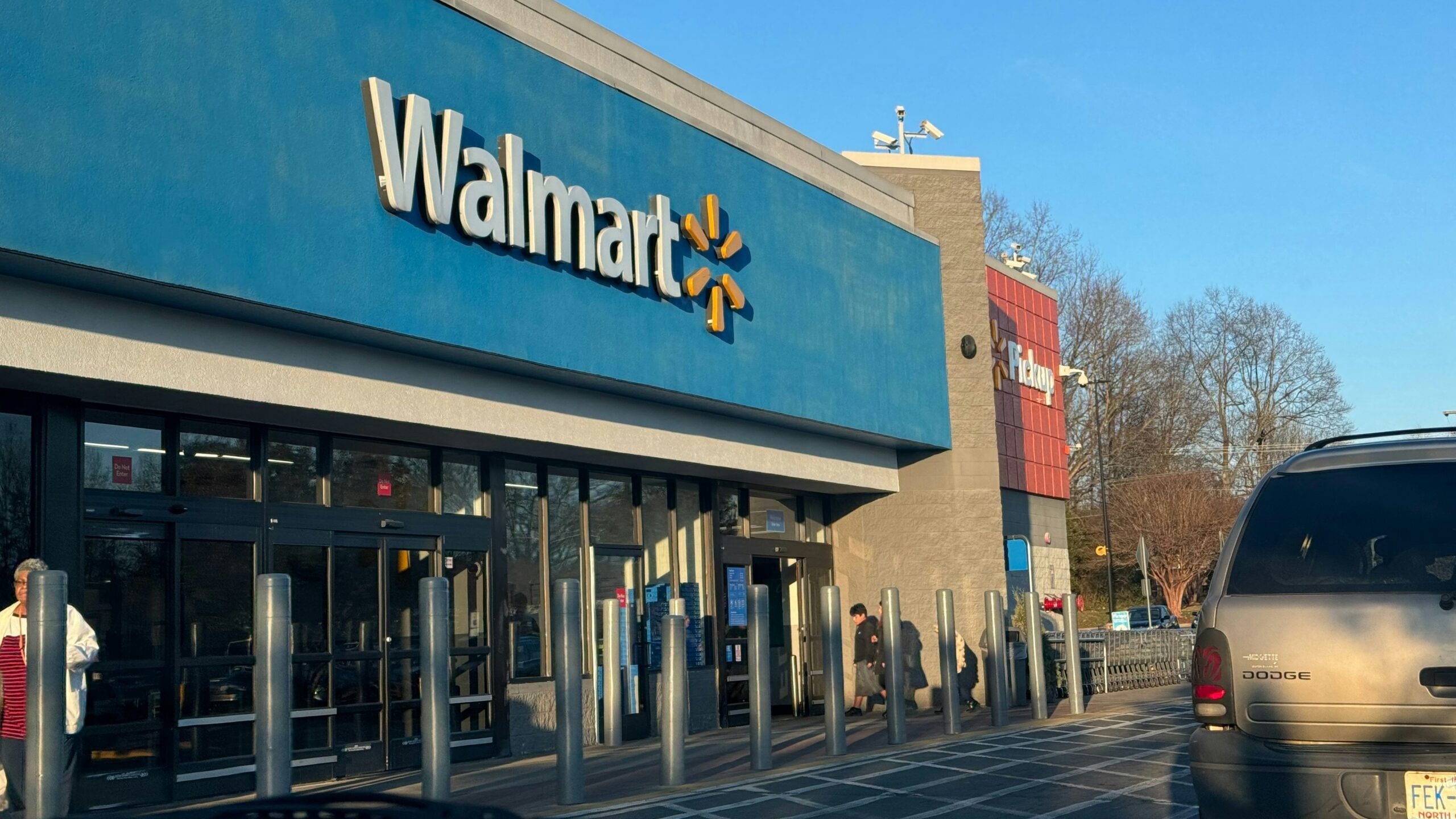
The Federal Trade Commission is mailing 65,022 refund checks worth more than $9.8 million to people whose money was lost to scammers through Walmart’s wire-transfer service. The agency announced the payments on October 15, and each check must be cashed within 90 days. The money comes from a $10 million settlement Walmart reached with the FTC in June 2025.
Who is getting a Walmart refund check
The FTC’s Walmart refunds page says the payments go to people who completed eligible money transfers at Walmart between January 2015 and December 2024. These are people who sent cash through the store’s money-transfer counter, often at a scammer’s direction. The FTC says its settlement money is going to people harmed by Walmart’s failure to stop that fraud.
The refund page says the payments go out by check. It does not name an amount for each person. Dividing the FTC’s totals gives an average of roughly $151 per check, but that is arithmetic, not an FTC figure. Actual amounts depend on each person’s losses and on how the fund is divided.
Anyone who used a Walmart money-transfer counter in those years, or who has a parent who did, should watch the mailbox for a check from the refund administrator. The administrator is Rust Consulting, a private company the FTC hires to send refunds. Its number on the FTC page is 1-833-472-1990. Anyone who believes a check was missed can call that number.
Retirement deadlines, in your inbox: Miss an enrollment or claim deadline and the money can be gone. Join the Retirement Money Brief and we’ll send you our Open Settlements & Refund Tracker as a welcome gift.
Get the Brief + the settlements tracker →
We may earn a commission from links on this page.
What the FTC says Walmart did wrong
The FTC sued Walmart in June 2022 in federal court in Chicago. The agency’s case page says scammers used Walmart’s transfer services to take hundreds of millions of dollars from consumers. The complaint says Walmart failed to put effective anti-fraud policies in place, failed to train employees properly and failed to warn customers about money-transfer fraud.
The settlement was a $10 million judgment. The June 2025 announcement says the Commission voted 3-0 to approve it. Walmart also agreed to take timely action to detect and prevent fraud-induced transfers, and it cannot send or pay out transfers it knows, or avoids knowing, were fraud-induced.
Christopher Mufarrige, director of the FTC’s Bureau of Consumer Protection, said at the time: “Electronic money transfers are one of the most common ways that scammers tell consumers to send them money.” He added that companies offering these services “must train their employees to comply with the law and work to protect consumers.”
The 90-day clock on each check
The FTC’s instruction is short: a person who gets a check should cash it within 90 days. The 90 days are printed on each check, and the FTC has not published a single mailing date. People who receive one should treat the date on the check as the deadline and not wait.
The FTC’s refund FAQ says a check that goes uncashed may be reissued if money remains in the fund. Reissues are processed monthly, and for a check the wait is at least 45 days from the original payment date. That is a backup, not a promise, so an uncashed check is a risk.
The same FAQ says the FTC currently sends refunds by check, prepaid debit card, PayPal and Zelle. This Walmart program uses checks. The FTC’s refunds list shows the Walmart program among five added in October 2026, with Avast, GOAT, Cleo AI and AdvoCare.
Refund checks and scam calls
Scammers copy real refund programs. The FTC says the Commission “never requires people to pay money or provide account information to get a payment.” The agency’s refund FAQ is blunter: if someone claims to be from the FTC and asks for money, it is a scam. The FTC says it never charges a fee to release a refund, and none of the money collected in its lawsuits goes to the FTC or its lawyers.
A real Walmart refund involves no fee, no gift cards, no wire and no request for a bank login. The FTC’s October 22 consumer alert describes a separate scheme in which callers pose as FTC officials and demand a “security deposit.” The agency says it never asks for payment or hands a person to someone who does.
The safest way to check a program is to type ftc.gov/refunds into a browser and look for the company name. People who get an email or text about a refund should not click its links. The FAQ also says to type the address instead.
Where the next refund could be hiding
The Walmart payment is one of dozens on the FTC’s list, which showed 90 active programs when the October entries were added. People who have lost money to a wire-transfer scam, a subscription trap or a bogus service over the past decade have reason to check the list by company name.
The list shows only a program name, a month and an administrator’s number. Amounts and deadlines sit on each program’s own page, so a quick look at each relevant page is the only way to know whether a program is still paying.
Got a Walmart refund check in the mail?
A refund check that sits in a drawer past its 90 days can mean the money goes back to the fund, and many families never learn what else was waiting under their names. Old savings bonds, pensions and regulator refunds go the same way when nobody looks.
Find Money Owed to You walks through every official place that money waits, including savings bonds that stopped earning and were never cashed, and it covers refunds regulators won back from companies people used. It is built around eight searches, step by step, and opens with the never-pay rule.
Sweep for forgotten refunds and old savings bonds with the eight-search guide →
More Financial Reading
- 21 Ways to Stretch a $2,087 Social Security Check
- 15 Places to Find Your Share of the $4.25 Billion States Give Back
- The New $6,000 Senior Deduction and 14 More Tax Moves for Retirees
This article was produced with AI assistance and edited for accuracy against the sources linked above.