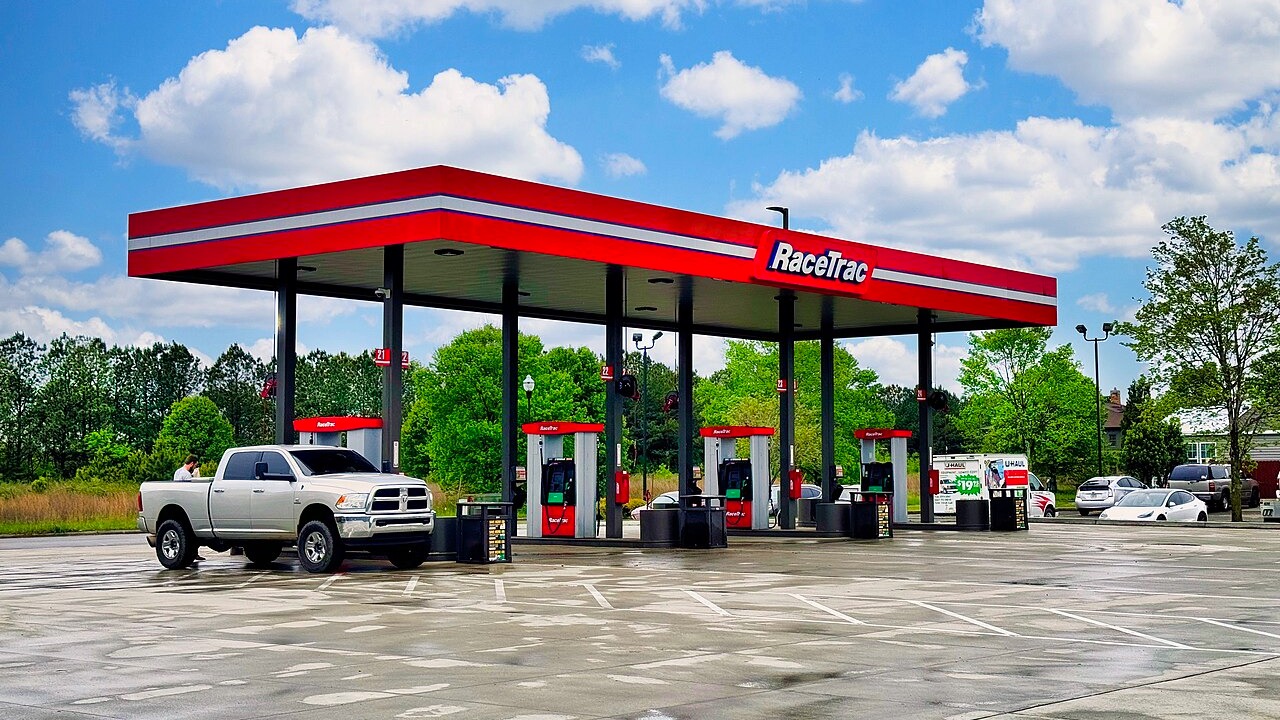
Gasoline prices climbed 27.4 percent over the twelve months ending in August, and the broader energy index rose 16.3 percent over the same span, according to the Bureau of Labor Statistics’ latest Consumer Price Index report. In August alone, gasoline accounted for more than a third of the entire monthly increase in prices nationwide, even as the all-items index rose a more modest 0.4 percent for the month. For a household living on a Social Security check that adjusts only once a year, a cost category capable of swinging by double digits from one month to the next is one of the harder line items to plan a fixed budget around. The gap between energy’s twelve-month climb and the 3.4 percent rise in prices overall is the widest of any major spending category the Bureau tracks.
Gasoline's Outsized Share of the August Increase
The Consumer Price Index for All Urban Consumers rose 0.4 percent in August on a seasonally adjusted basis, after increasing 0.1 percent in July. Gasoline alone rose 3.9 percent for the month, and the Bureau of Labor Statistics reported that it accounted for over one third of that entire monthly all-items increase. Before seasonal adjustment, pump prices were up 2.5 percent in August. Measured over the full twelve months ending in August, gasoline is now up 27.4 percent, a pace far outrunning the 3.4 percent rise in the all-items index over the same period, and outrunning nearly every other category in the government’s monthly price basket.
Free retirement updates: Keep more of your Social Security and savings with plain-English updates on the changes, deadlines, and costly mistakes retirees miss. Subscribe free.
Fuel Oil and Piped Gas Move With the Pump
Gasoline was not the only energy line rising. The fuel oil index jumped 10.1 percent in August alone and is up 52.0 percent over the past year, the steepest twelve-month gain of any household energy category the Bureau tracks. Utility piped gas service rose 4.4 percent over the twelve months even after slipping 1.1 percent for the month of August itself, and electricity is up 3.8 percent over the year despite a 0.2 percent dip in August. Combined, energy commodities, gasoline and fuel oil together, rose 28.0 percent over the twelve months ending in August, which the Bureau’s August 2026 Consumer Price Index release identifies as the main driver behind the overall 16.3 percent yearly increase in the energy index. That single category now carries more weight in the twelve-month inflation number than food, medical care, or apparel combined.
A 16.3 Percent Climb Against a 2.4 Percent Core Rate
The index for all items less food and energy, the gauge economists use to track underlying inflation once volatile categories are stripped out, rose 2.4 percent over the twelve months ending in August, per the Bureau of Labor Statistics. Energy’s 16.3 percent increase over that same span is nearly seven times that core pace, meaning the fuel, electricity, and heating lines of a household budget are running well ahead of rent, medical care, and most everyday goods. Gasoline and fuel oil, in particular, moved by double digits within single months at several points over the past year, including the 21.2 percent gasoline jump recorded in March and the 10.1 percent fuel oil jump in August, a volatility that a once-a-year benefit adjustment cannot track in real time.
A Volatile Year in Monthly Swings
The energy index has also been the single most volatile line in the monthly inflation report all year, swinging far wider than the all-items number itself. Seasonally adjusted, energy rose 0.6 percent in February, then jumped 10.9 percent in March, 3.8 percent in April, and 3.9 percent in May, before falling 5.7 percent in June and 1.5 percent in July, then rising again in August, according to the Bureau of Labor Statistics. Over that same February-to-August stretch, the broader all-items index moved in a far narrower band, between a 0.4 percent drop and a 0.9 percent gain. A household budgeting off the headline inflation number alone would have missed just how much of that swing was concentrated in the gas tank and the heating bill.
The Same Pressure Feeding the COLA Formula
The measure Social Security actually uses to calculate its annual raise also shows the same pressure. The Consumer Price Index for Urban Wage Earners and Clerical Workers, the CPI-W that feeds the COLA formula, increased 3.5 percent over the twelve months ending in August, slightly ahead of the 3.4 percent increase in the broader CPI-U that makes headlines. Both measures include the same gasoline and energy data reported for August, so the pump-price pressure driving this report is the same pressure working its way into the COLA calculation due in October.
One Cost Line Still Moving the Other Way
Not every transportation cost climbed. Motor vehicle insurance fell 0.8 percent in August, its second consecutive monthly decline after slipping 0.3 percent in July, according to the same Bureau of Labor Statistics report. That decline offset only a fraction of what higher gasoline and fuel oil added to a household’s monthly costs, since electricity, piped gas, and gasoline combined still rose faster than the broader 3.4 percent all-items rate over the year. The Bureau is scheduled to publish its next Consumer Price Index report, covering September 2026 price data, on October 14, 2026.
Where a Fixed Budget Finds Room
Separately, none of what moved in August’s price data triggers automatic relief tied to inflation. Circuit-breaker property tax credits, Extra Help for prescription costs, and unclaimed property held by state treasuries are three programs many older households already qualify for but never file for, since each runs through its own separate application rather than an automatic cost-of-living adjustment.
The Benefits Checklist is a 69-page guide to all eleven programs, printing each one’s 2026 income limit and a 50-state directory of the number to call in each state.
Look up the number to call in each state in The Benefits Checklist.
This article was reported and written with the assistance of AI and reviewed before publication.