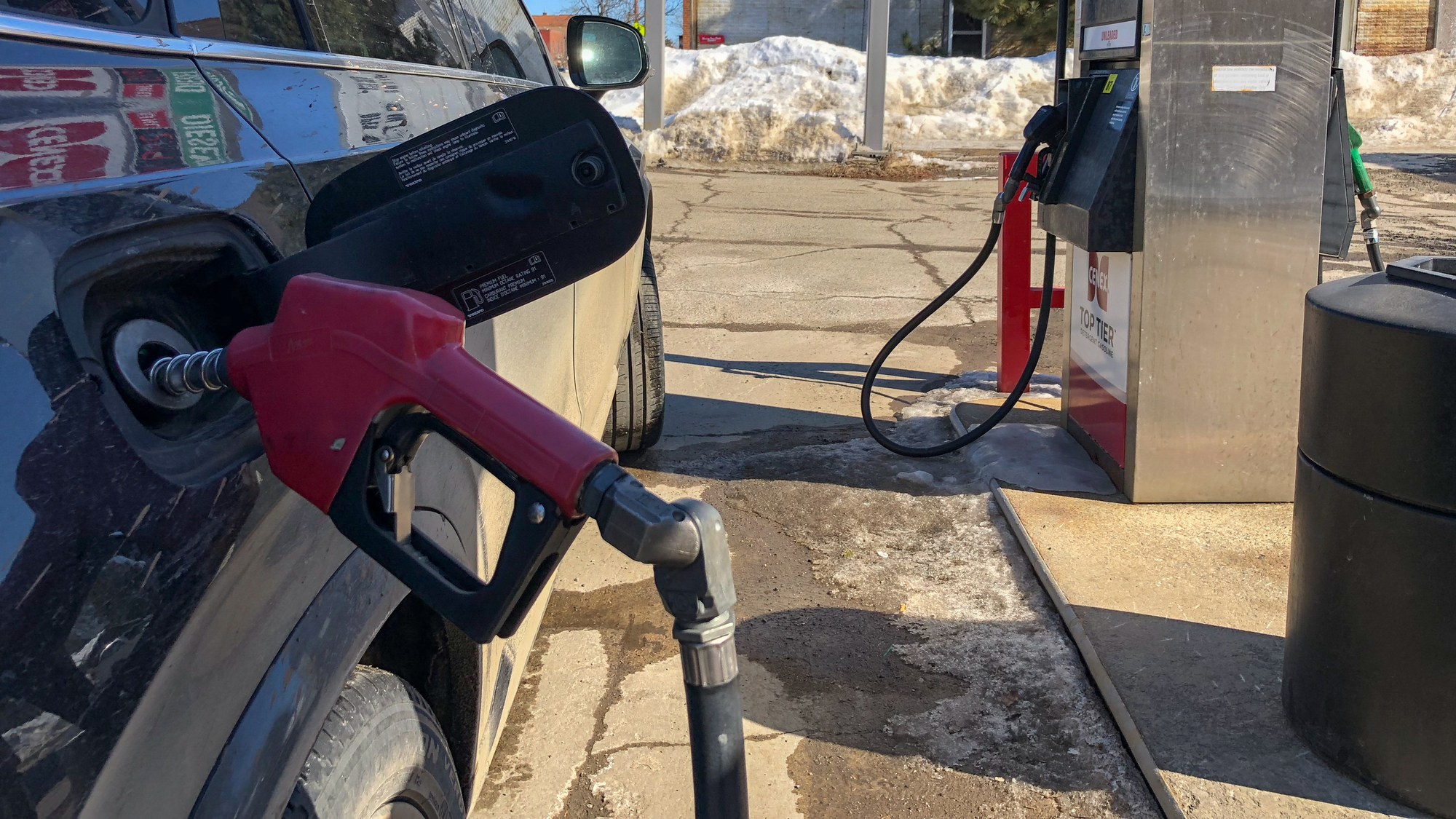
Gasoline is the one household expense that shows up on a sign by the road, updated daily, impossible to avoid noticing. That visibility is fitting, because the August inflation report just confirmed what drivers have felt: gasoline prices are up 27.4% over the past year, and within last month alone, the pump did more damage to the overall cost-of-living number than any other single category. For a household living on a fixed monthly income, that is not an abstract statistic; it is a bigger number at the register every time the tank runs low.
The Category That Moved The Whole Report
The Bureau of Labor Statistics, an agency of the Labor Department, reported that its Consumer Price Index for all items rose 0.4% in August, up from a 0.1% increase in July, and stood 3.4% higher than a year earlier, according to the bureau’s August 2026 CPI release. Core prices, which strip out food and energy, rose a comparatively milder 2.4% over the same 12 months, the same release shows. The gap between that 2.4% core figure and the 3.4% headline number is largely explained by one line item: the gasoline index climbed 3.9% for the month of August alone, and the bureau states plainly that gasoline “accounted for over one third of the monthly all items increase,” per the same BLS report.
What the pump doesn’t explain: The Labor Department’s August report shows gasoline alone did more than a third of the damage to last month’s cost-of-living number, but a bigger fuel bill isn’t the only fixed cost climbing on a household budget at the same time. See where property-tax and utility relief can offset it in The Senior Property Tax & Home-Cost Relief Kit.
Twelve Months Of Climbing Prices At The Pump
The 27.4% year-over-year jump in the BLS gasoline index is not a one-month spike measured against an unusually cheap prior August; it is the accumulated result of a year of increases layered on top of each other, according to the same BLS release. Energy overall, which folds in gasoline along with electricity and natural gas, rose 16.3% over the 12 months, the bureau’s data show, meaning gasoline is rising even faster than the broader energy category that contains it. A separate, more current reading backs up the direction: the U.S. Energy Information Administration’s weekly survey put the national average price for regular gasoline at $4.478 a gallon for the week of September 21, 2026, up from $3.173 a gallon a year earlier, according to EIA’s retail gasoline price data. That EIA figure tracks pump prices directly rather than the seasonally adjusted BLS index, so the two numbers are not meant to match exactly, but both point the same direction: higher, and still climbing into September.
Why A COLA Set Months Ago Doesn’t Cover This
Social Security’s annual cost-of-living adjustment is not calculated from the month a check arrives; it is set using a different, related index, the Consumer Price Index for Urban Wage Earners and Clerical Workers, or CPI-W, averaged over the third quarter of the year before the raise takes effect, according to the Social Security Administration’s COLA methodology page. The adjustment now in beneficiaries’ checks, a 2.8% increase, was calculated by comparing third-quarter 2025 CPI-W data against third-quarter 2024 data, the same SSA page shows, months before this August’s gasoline numbers existed. That timing gap means a retiree’s benefit was sized to price data that predates the sharpest recent run-up at the pump, leaving the current 27.4% gasoline increase to be absorbed inside a check that was never built to account for it.
What The Bureau Tracks Next
The Bureau of Labor Statistics is scheduled to publish its next Consumer Price Index report, covering September 2026, on October 14, 2026, according to the bureau’s release schedule. That report will show whether gasoline kept climbing through September at anything close to the pace EIA’s weekly data already suggests, or whether the August reading marks a peak. Either way, the bureau’s own framing of August, a month in which one category, gasoline, accounted for more than a third of the entire increase in prices, makes clear that headline inflation figures can move sharply on the strength of a single expense most households cannot simply stop paying.
The Budget Line Item Rising Gas Prices Don’t Touch
The Labor Department’s August report ties gasoline to more than a third of last month’s price increase, but a fuller tank doesn’t change what shows up on a property-tax bill or a heating statement, two of the largest fixed costs a homeowner carries every year regardless of what happens at the pump. Those bills often include relief a household never applies for simply because no notice arrives pointing it out, unlike a posted gas price that updates itself daily.
The Senior Property Tax & Home-Cost Relief Kit lists the 5 kinds of property-tax relief alongside heating, cooling and home-repair help, sorting out which one applies to a rising utility bill.
Compare the relief options against a current tax or utility bill in The Senior Property Tax & Home-Cost Relief Kit.
This article was produced with AI assistance and checked against the primary sources linked above.