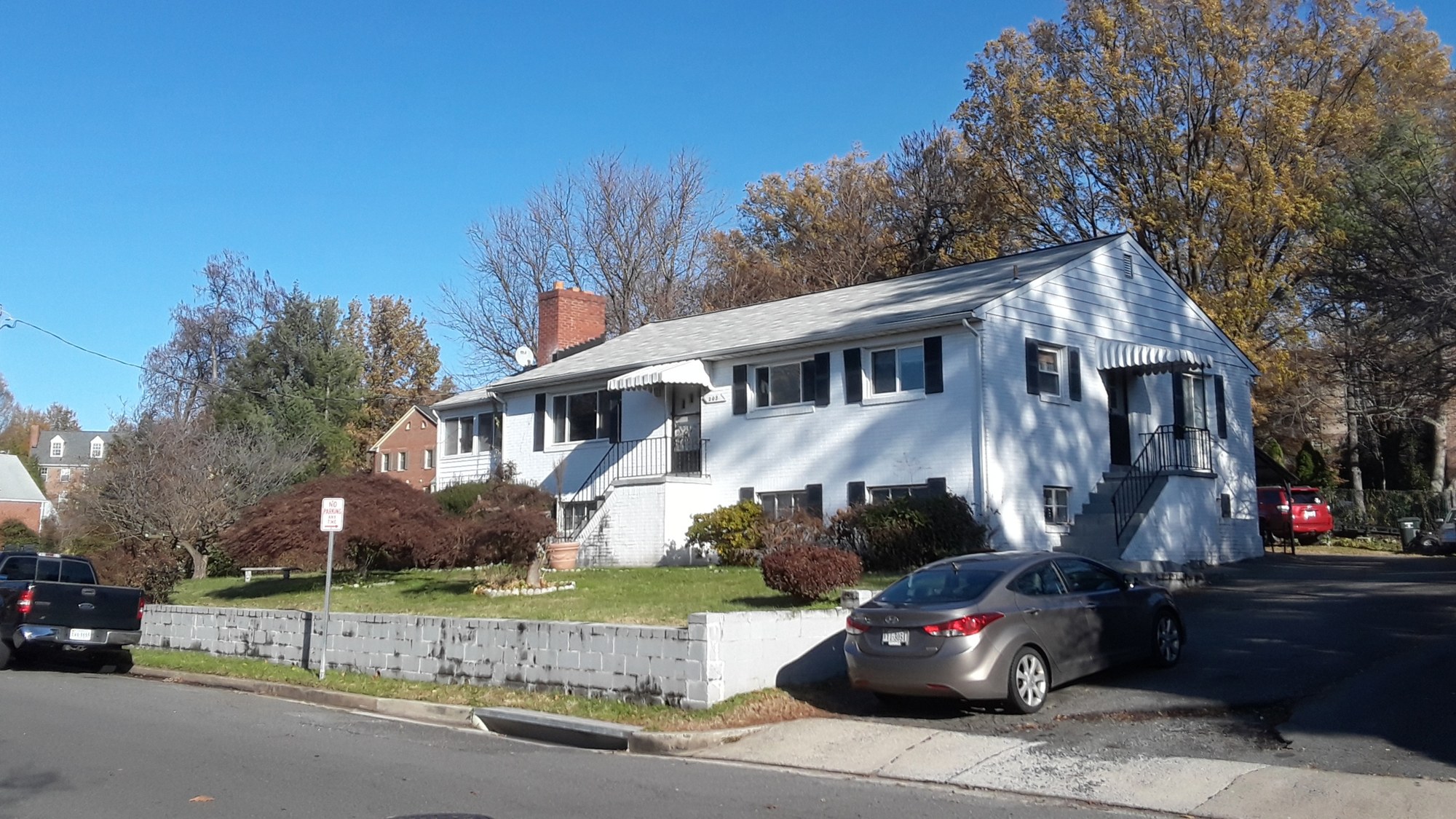
The average cost of homeowners insurance is on track to keep climbing in 2026, marking a fifth straight year of increases after premiums already jumped 12 percent nationwide in 2025. In six states, the year-over-year increase tops 20 percent, and one of them — Minnesota — is seeing rates rise by roughly a third. For homeowners on a fixed retirement income, a bill that grows faster than a cost-of-living adjustment can force real trade-offs, especially in states where storm losses keep pushing insurers to reprice risk.
The National Number: $3,057
According to Insurify’s 2026 home insurance price projection report, published March 18, 2026, the average annual homeowners insurance premium is projected to reach $3,057 by the end of the year, a 4 percent increase from 2025. That follows a 12 percent jump in 2025 alone, and premiums are now up 46 percent since 2021 — an increase of roughly $900 a year for the typical homeowner over that span. Rates rose, or are projected to rise, in 45 states and Washington, D.C. during 2025, with only five states holding flat or seeing a decline, according to the report.
Free retirement updates: One number can cost or save hundreds a month in retirement. The free Retirement Shield newsletter surfaces the ones worth knowing. Sign up free.
Six States Above 20 Percent
The steepest increases are concentrated well outside the coastal states that usually dominate insurance headlines. Minnesota’s rates are up about 34 percent year over year, followed by Colorado at roughly 33 percent, Iowa at about 28 percent, Nebraska at around 25 percent, Oklahoma near 24 percent, and South Carolina at about 20 percent, based on Insurify’s analysis of underlying rate data. That list is dominated by Midwest and Great Plains states rather than the Gulf Coast, reflecting where the underlying losses have actually been concentrated over the past year.
Why the Midwest Is Driving the Increases
Severe convective storms — the kind that can spin off tornadoes, hail, and damaging straight-line winds — caused more than $52 billion in insured losses in 2025, the third-highest total on record behind only 2023 and 2024. Unlike hurricanes, which are geographically concentrated and heavily modeled, convective storms can strike a wide swath of the country with less predictability, and insurers have responded by repricing risk more aggressively in states that have not traditionally been thought of as high-risk for property insurance. That shift helps explain why Minnesota and Iowa are seeing bigger increases this year than states more commonly associated with insurance crises.
Florida Still Carries the Highest Bill
Even with the Midwest driving the fastest year-over-year growth, Florida remains the most expensive state in the country for homeowners insurance, with a typical annual premium of $8,292 — nearly three times the national average. Florida’s rates rose about 18 percent in 2025 alone, according to Insurify’s data, layering onto years of insurer exits and rate increases tied to hurricane risk and litigation costs. For a homeowner comparing notes with a sibling or friend in another state, the gap between a Midwest premium climbing off a lower base and a Florida premium already near $8,300 illustrates how differently the affordability crisis is playing out depending on where someone lives.
The Five-Year Climb in Perspective
Working backward from Insurify’s numbers, the average homeowner was paying roughly $2,090 a year for coverage in 2021; five years and a 46 percent increase later, that same coverage is projected to cost about $3,057. None of the five years in between saw rates fall nationally — 2025’s 12 percent jump was itself the fourth consecutive annual increase before 2026’s smaller, but still positive, 4 percent projected rise. Because Insurify’s 2026 figure is a projection issued in March rather than a final year-end tally, the actual increase could still move in either direction depending on how the rest of the year’s storm season plays out.
What a Rising Bill Means for a Fixed Budget
For homeowners who still carry a mortgage, a rising premium does not show up as a separate bill to shop around at leisure; it is typically collected through an escrow account alongside the mortgage payment itself, and a lender can require the household to make up any shortfall in a lump sum or through a higher monthly payment once the new premium takes effect. That structure means a homeowner cannot simply defer the increase the way they might delay a discretionary purchase, and it is one reason a jump in insurance costs can arrive as an unwelcome surprise even for households that budget carefully.
Homeowners insurance is not optional for anyone carrying a mortgage, and even homeowners who have paid off their homes typically keep a policy to protect what is often their largest asset. A premium that rises faster than income or a cost-of-living adjustment eats into a household budget in a way that is easy to underestimate until the renewal notice arrives. Insurify’s report frames 2026 as the fifth consecutive year of increases, meaning the cumulative effect on a household’s total housing costs — on top of a mortgage, property taxes, and utilities — has now been building for half a decade rather than reflecting a single bad year.
Where the Overlooked Dollars Are
Separately, a bigger insurance bill is not the only housing-adjacent cost squeezing older homeowners. Circuit-breaker property-tax credits, LIHEAP energy help, and Extra Help for prescription drug costs each offset a different piece of a fixed budget, but every one of them requires an application — none of them show up automatically.
The Benefits Checklist covers all 11 programs, the 2026 income limits, and a 50-state phone directory for finding the right office.
Look up the relevant programs in The Benefits Checklist.
This article was written with the assistance of AI and reviewed for accuracy before publication.