Homeowners across the country are bracing for another year of rising insurance costs. Industry projections point to a national average increase of roughly 4% in 2026, with far steeper jumps concentrated in states exposed to wildfire, hurricane, and flood risk. For retirees on fixed incomes, a premium that climbs faster than Social Security’s annual cost-of-living adjustment quietly erodes a household budget that was supposed to be predictable.
The projected 4% national increase for 2026
The 4% figure is a forecast, not a settled number, and it reflects an average that masks wide regional gaps. According to an industry roundup of homeowners insurance statistics, the typical policy is expected to rise modestly at the national level in 2026, continuing a multi-year climb that has already reshaped what coverage costs. Insurers set rates based on the cost of rebuilding, the price of reinsurance, and the frequency of large claims, all of which have moved higher since the start of the decade. A homeowner in a low-risk inland area may see an increase near the national average, while a homeowner in a catastrophe-prone region can face a bill several times larger.
Free retirement updates: One number can cost or save hundreds a month in retirement. The free Retirement Shield newsletter surfaces the ones worth knowing. Sign up free.
Why California and other wildfire states face double-digit hikes
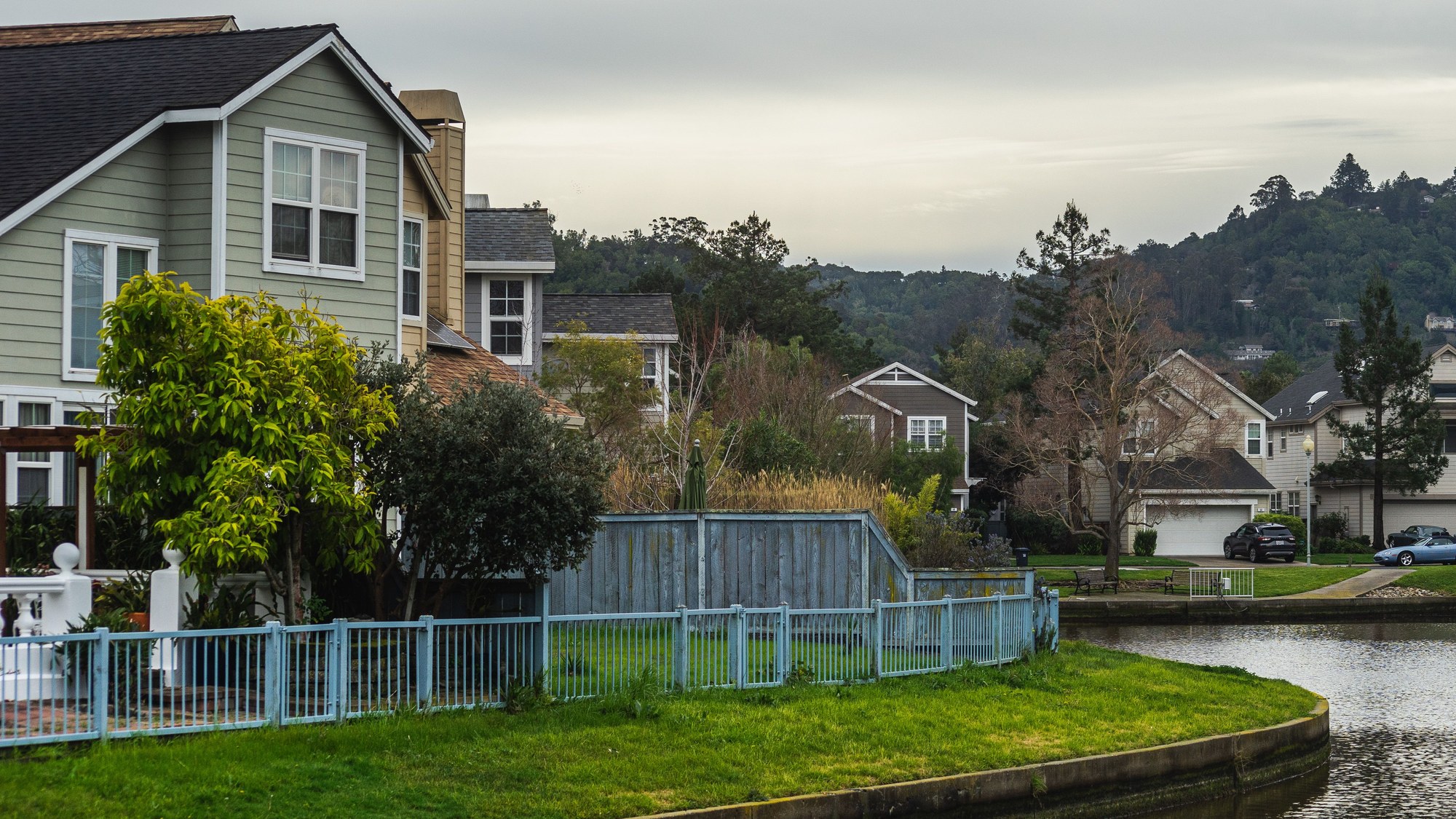
The national average hides the states where the increase is projected to run far higher. California is expected to lead the country, with statewide increases projected in the double digits and the sharpest rises falling on properties at significant wildfire risk. Catastrophic fire seasons have driven billions of dollars in property losses, and the wildfire portion of a policy is the fastest-growing component of many premiums. The state’s insurer of last resort, the FAIR Plan, has secured additional rate increases through the California Department of Insurance, a signal that even the backstop market is under strain. Homeowners in fire, coastal, and flood zones from the West to the Gulf are seeing the same pattern, where a single high-loss year translates into higher rates for everyone in the region.
What is driving the multi-year climb
The projected 2026 increase does not stand alone; it extends a stretch in which homeowners premiums have risen well faster than general inflation. Three forces sit behind the trend. Rebuilding a damaged home costs more as materials and skilled labor stay expensive, so the same house is pricier to make whole after a claim. Reinsurance, the coverage insurers themselves buy to absorb catastrophic losses, has grown markedly more expensive, and carriers pass that cost through to policyholders. And the count of billion-dollar weather disasters has climbed, spreading large losses across more of the country than the traditional coastal and fire zones. Because these pressures build over years rather than reversing in a single mild season, a one-year projection near 4% reads as a floor as much as a forecast.
What rising premiums mean for retirees on fixed incomes
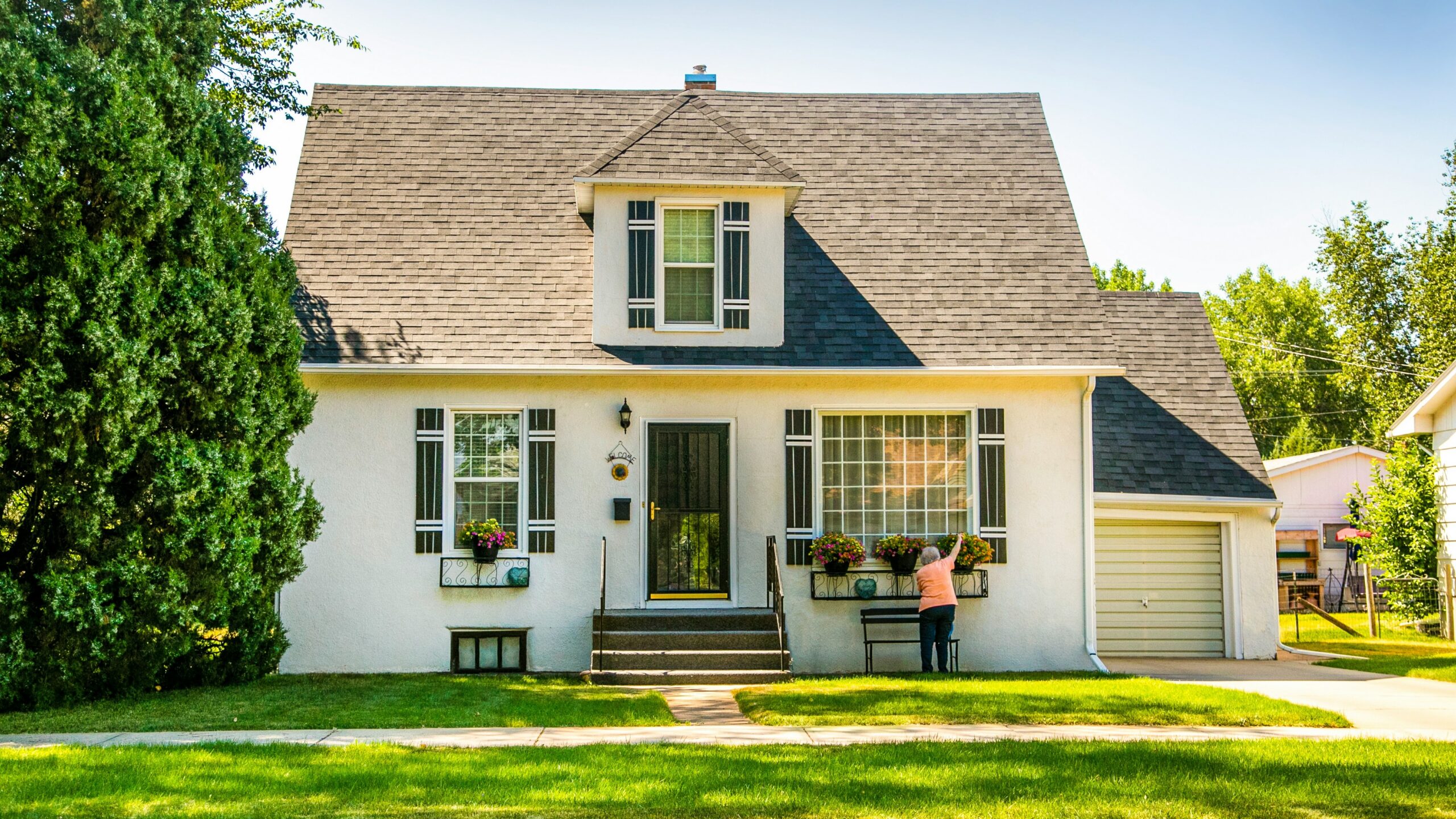
For older homeowners, the squeeze is not only the premium itself. Deductibles have climbed alongside rates, meaning a larger share of any claim now comes out of pocket before coverage begins. Some carriers have narrowed what they will insure, dropping wildfire or wind coverage or declining to renew policies in the highest-risk areas, which pushes residents toward costlier state-backed plans. A retiree who paid off a mortgage decades ago may still owe insurance every year, and an unexpected jump of several hundred dollars can force trade-offs against food, medicine, or utilities.
The gap between the average and the extremes is easy to underestimate. A homeowner in a stable inland market might see a policy move up by roughly the national figure, while the owner of a comparable home in a high-risk wildfire foothill can face a renewal that is hundreds or even thousands of dollars higher, or a non-renewal notice that forces a move to a costlier last-resort plan with narrower coverage. For a retiree the danger is not only the dollar amount but the timing: an insurance increase can land in the same year as higher property taxes and medical costs, compounding a squeeze that a fixed monthly benefit was never sized to absorb. Owners who pay insurance through a lender’s escrow account can be caught off guard when a mid-year premium jump raises the monthly housing payment with little warning, while those who pay directly must set aside more themselves to avoid a lapse.
Consumer advocates and the Insurance Information Institute note that homeowners can sometimes soften the increase by raising a deductible they can realistically cover, bundling home and auto policies, documenting wildfire-mitigation work such as defensible space and fire-resistant roofing, and shopping the market before a renewal lands. Those steps do not reverse the underlying loss trends, but they can shave a bill that would otherwise rise unchecked. The larger takeaway is that home insurance has moved from a fixed line item to a variable one, and budgeting for retirement now means budgeting for a cost that no longer holds still.
Comparison shopping has also become more consequential as carriers diverge. Two insurers looking at the same house on the same street can now price it very differently depending on how each models fire or storm risk, so a homeowner who has stayed with one company for years may find a materially lower quote elsewhere, particularly after completing mitigation work that some insurers reward and others overlook.
Whether the national figure lands at 4% or drifts higher, the direction is set by forces outside any individual household: rebuilding costs, reinsurance prices, and the growing bill for catastrophic weather. The projection is a planning tool, not a guarantee, and the households most exposed to fire and storm should assume their own increase will outpace the average.
This article was produced with the assistance of artificial intelligence and reviewed by The Financial Wire editorial team.
More Financial Reading
- The ideal retirement withdrawal rate so your savings actually last
- Bank statements: how long to keep them and when to toss them