Federal prosecutors in the Southern District of New York say a California man named Max McDermott engineered a $10 million loan fraud scheme with a specific goal: repay investors quickly enough to derail an active Securities and Exchange Commission investigation before enforcement staff could file charges. McDermott was arrested and charged with wire fraud and money laundering after allegedly hiding the SEC probe from a lender and claiming the borrowed funds would support business growth. The case raises a pointed question about whether commercial lending can be weaponized as a short-term shield against regulatory action.
Why McDermott’s alleged loan-for-cover strategy matters now
The core tension in this case is not a garden-variety investment scam. Prosecutors allege McDermott learned of the SEC investigation in late 2020 and then, according to an SDNY charging document, sought to repay investors to dissuade the SEC from moving forward. That sequence, if proven, would show a defendant treating a commercial loan not as capital for a business but as a tool to erase the evidence trail that enforcement staff rely on when deciding whether to bring a civil complaint.
The alleged logic works like this: if investors are made whole, they are less likely to cooperate with regulators, and the SEC may deprioritize the matter. By obtaining $10 million under false pretenses, McDermott could theoretically buy time or even convince the agency that no victims remained. Prosecutors appear to view that calculation as both fraudulent toward the lender and obstructive toward the regulatory process, which is why the indictment pairs wire fraud with money laundering counts rather than treating the conduct as a simple misrepresentation.
That theory also speaks to a broader concern in securities enforcement: the risk that sophisticated actors can use one pool of capital to paper over misconduct in another. If borrowing can be used to retrofit compliance after the fact, regulators may find it harder to distinguish genuine business recovery from strategic damage control designed to head off enforcement. The McDermott case, at least as alleged, places that tension in unusually sharp relief.
Wire fraud, money laundering, and the SEC’s parallel civil case
The U.S. Attorney’s Office in Manhattan announced McDermott’s arrest and the unsealing of the indictment, describing the scheme as “brazen.” According to prosecutors, McDermott made false or misleading representations to obtain the $10 million loan, telling the lender the funds would be used for business growth and operations. He allegedly concealed the existence of the SEC investigation entirely, even though it was already focused on the same activities that generated the need for cash.
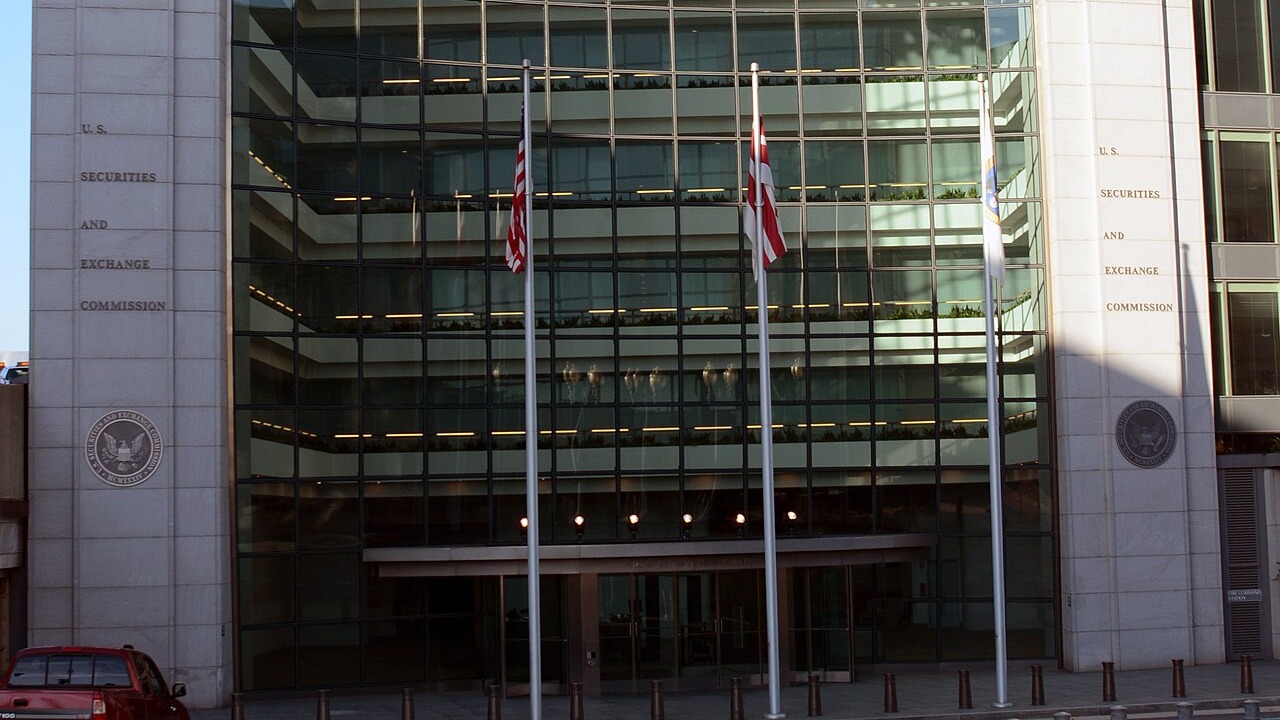
The SEC’s own enforcement track runs in parallel. The commission charged Max Edward McDermott, Secured Income Group, Inc., and Stacey Marie Porter in a civil enforcement action tied to the company’s “Secured Debentures” offering and alleged investor harm. That civil case supplies the underlying timeline prosecutors reference when they describe McDermott learning about the investigation and then racing to neutralize it by repaying investors with new money.
Federal prosecutors frequently pair wire fraud with money laundering when defendants move borrowed or stolen funds through accounts to conceal their origin or purpose. Wire fraud captures the alleged lies used to induce the lender to part with its money. Money laundering, by contrast, focuses on what happens after the funds arrive-how they are routed, layered, or disguised. In McDermott’s case, the indictment alleges that loan proceeds were transferred through multiple accounts and used in ways that masked their true purpose, supporting the additional laundering counts.
The fact that the alleged deception was directed at a private lender, while the perceived threat came from a government regulator, underscores how criminal and civil systems can intersect. Prosecutors are effectively arguing that McDermott used the lender as an unwitting buffer against the SEC, turning a standard commercial transaction into a vehicle for undermining an ongoing regulatory process.
Gaps in the public record and what to watch next
Despite the detailed allegations, significant gaps remain in the public record. The charging documents describe McDermott’s intent and the flow of funds, but they do not fully explain how the lender evaluated the risk of undisclosed regulatory scrutiny or what internal controls, if any, might have flagged the SEC investigation. Nor is it yet clear how the SEC weighed investor repayments when assessing potential remedies in its own case.
Some of those answers may emerge as the criminal case progresses through pretrial motions and, potentially, trial. Filings on federal court dockets could shed light on defense arguments, including whether McDermott contests the characterization of the loan as fraudulent or disputes the claim that he intended to influence the SEC. Sentencing materials, if the case reaches that stage, may also reveal how judges view efforts to repay investors using misrepresented funds.
For lenders, the case highlights a practical takeaway: regulatory exposure is not just a background risk but a potential driver of borrower behavior. Due diligence that probes for active investigations, not just past enforcement actions, may become more central in high-dollar transactions with issuers that depend heavily on retail investors. For regulators, the matter raises the question of how to respond when targets of investigations use new capital to remediate old conduct-especially when that capital may have been procured through its own set of misstatements.
Ultimately, the McDermott prosecution will test how far courts are willing to go in treating loan proceeds used for investor restitution as both fraudulent and corrupting of the enforcement process. The outcome could influence how future defendants, lenders, and regulators navigate the fraught period between the first hint of an investigation and the filing of formal charges.