Approximately 4,200 reverse mortgage loans, carrying roughly $1.3 billion in unpaid principal, are being offered to investors in a HUD sale whose sealed bids are due before 1:00 p.m. Eastern on October 27, 2026. The loans are in the pool for one reason spelled out in the notice: all borrowers are deceased, and no borrower is survived by a non-borrowing spouse. The deadline belongs to the bidders, not to anyone connected to the homes.
The offering, called HUD Vacant Loan Sales 2027-1 (HVLS 2027-1), appeared in the Federal Register on September 23, 2026. It is a transfer of loans from the government to private buyers, and the notice is written for the firms that might buy them.
A sale of loans, with investors on the other side of the table
HUD describes the transaction as an open, competitive whole-loan sale run on sealed bids. Whole-loan means each mortgage is sold intact, as a loan, rather than being carved into pieces. A buyer that wins takes over the right to collect on that loan from the property that secures it.
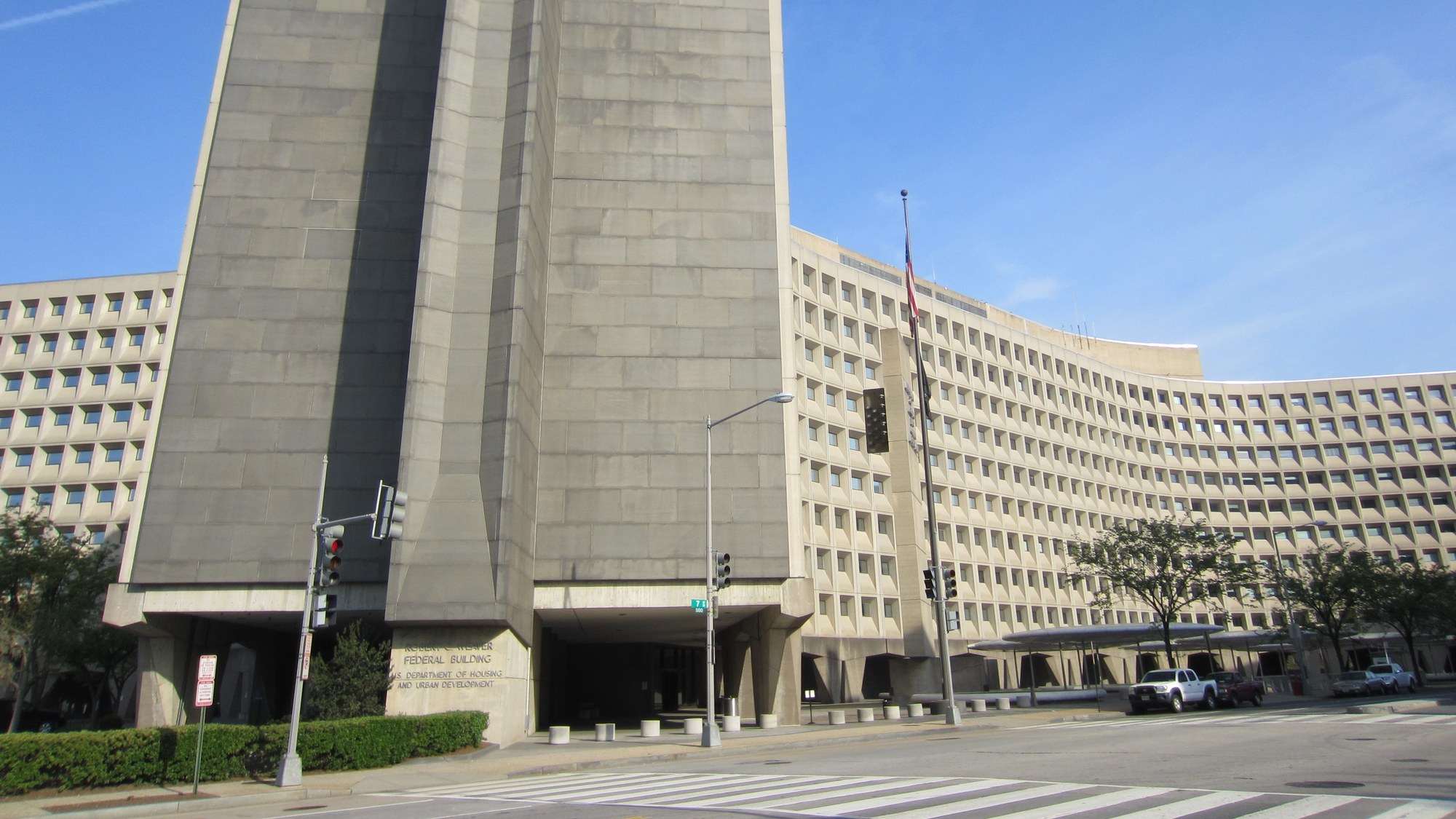
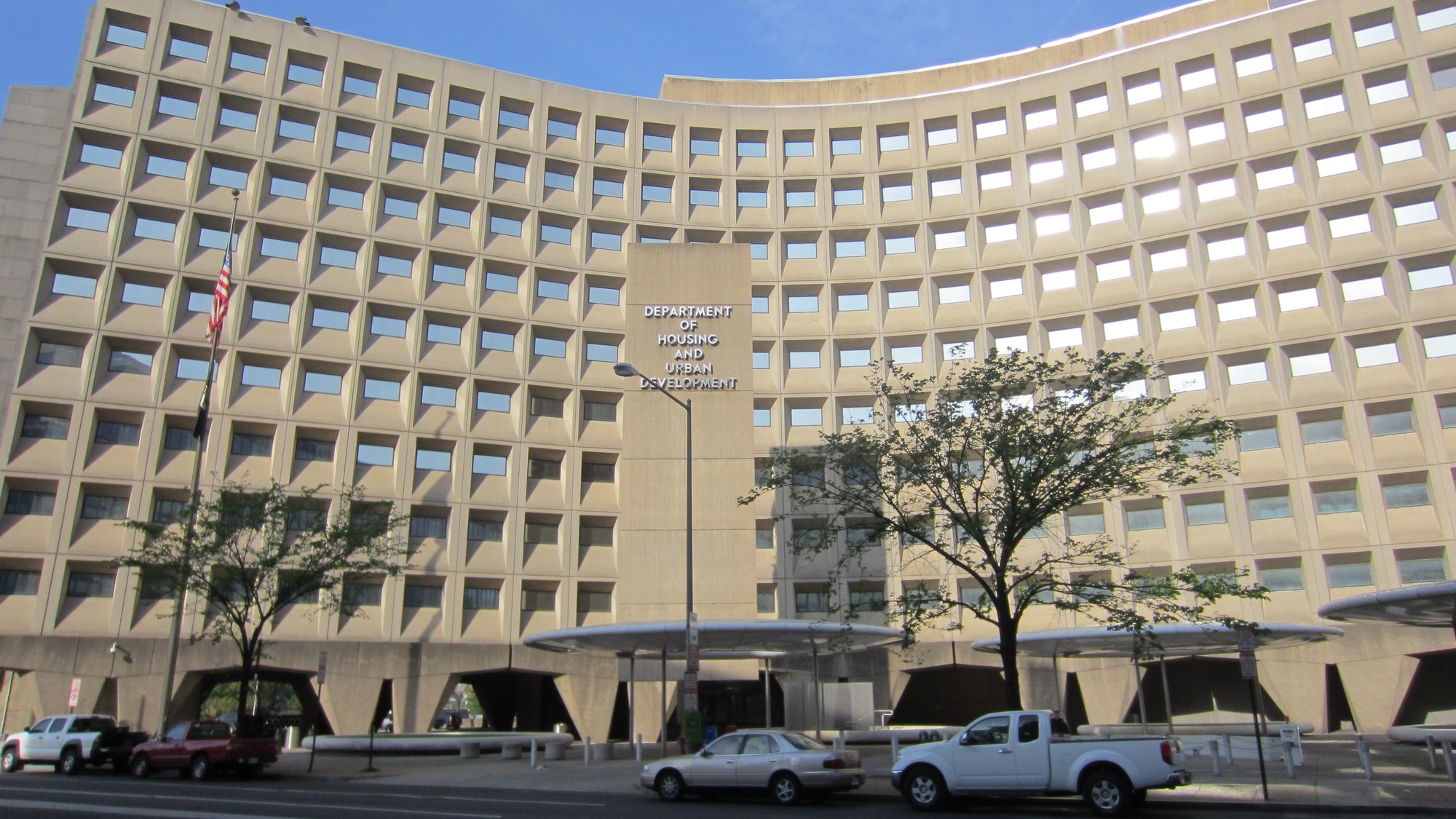
The notice carries the signature of Joseph M. Gormley, president of the Government National Mortgage Association, and lists John Lucey, director of HUD’s Office of Asset Sales, as the contact for questions at 202-708-2625, extension 3927. Those two names mark the people accountable for the document and for the sale process it describes. The sale is not a program that homeowners enter or leave.
What a bidder has to file before bidding
Prospective bidders must complete three documents, according to the notice: a Confidentiality Agreement, a Qualification Statement on form HUD-9611, and an Attestation to the Qualification Statement. The qualification paperwork also requires bidders to disclose their key employees and to certify that they meet HUD’s eligibility standards.
Those steps screen the buyers. They sort firms that can show who runs them and that they meet the standards HUD set from firms that cannot. Only after that comes the bid itself, sealed and due before the 1:00 p.m. Eastern cutoff on October 27.
A winning bidder must then submit a deposit calculated on the value of the award, and the loans are to be delivered within 60 days of the award date. The notice ties both requirements to the sale mechanics, which means the transfer of any individual loan is not complete on bid day. The timeline stretches into the weeks after the award.
What the $1.3 billion figure counts and what it does not
The notice puts the aggregate unpaid principal balance at approximately $1.3 billion across approximately 4,200 loans. Unpaid principal balance is the amount of borrowed principal still outstanding on the loans in the pool, added together. It is a gross, cumulative total across every loan in the sale.
That number is not an estimate of what the homes are worth, and it is not a forecast of what HUD or the buyers will recover. A home can be worth more or less than the principal owed against it, and the notice attaches no valuation or expected recovery to the pool. Treating the $1.3 billion as the sale price, or as the value of the real estate, would misread what the notice reports. Dividing it by 4,200 would give only a rough average principal per loan, a figure the notice itself does not state, so none is offered here.
What the notice says about the borrowers, and what it leaves out
The loans are described as ones on properties where the borrower and any co-borrowing spouse are deceased, and where, in the notice’s words, heirs have not come forward in the time elapsed. That is a description of the loans’ status at the time of the sale. It is not an offer, a deadline or a procedure for heirs.
The notice states no heir redemption process, and October 27 is not a date by which anyone other than a qualified bidder has to act. The notice describes no role for relatives in the sale and no step for them to take.
The condition that defines the pool is narrow. It covers loans where every borrower has died and no non-borrowing spouse survives. Loans where a spouse remains in the home are outside it by definition, since the notice applies the sale to loans that meet both parts of the test.
The sale terms as published
The sale terms in the notice come down to four facts: the pool is approximately 4,200 loans, the unpaid principal totals approximately $1.3 billion, bids are due before 1:00 p.m. ET on October 27, 2026, and loan delivery follows within 60 days of the award. Gormley’s signed Federal Register notice is the controlling document for each of them, and its September 23 publication date is the only date on which the offering became public in that form.
Property-tax bills that keep arriving on a fixed income
Older homeowners and renters on fixed incomes often face recurring property-tax, heating, cooling and repair costs, and the relief programs that address them differ by state and county. Many ask for a fresh application on a set schedule, so a household can end up tracking several filings and renewal dates at once.
The Senior Property Tax & Home-Cost Relief Kit is an 11-page kit that explains the 5 kinds of property-tax relief and includes an application log and renewal calendar for keeping each filing and date in one place.
Open the 5 kinds of property-tax relief and the renewal calendar for one home →
This article was produced with AI assistance and checked against the cited primary source.