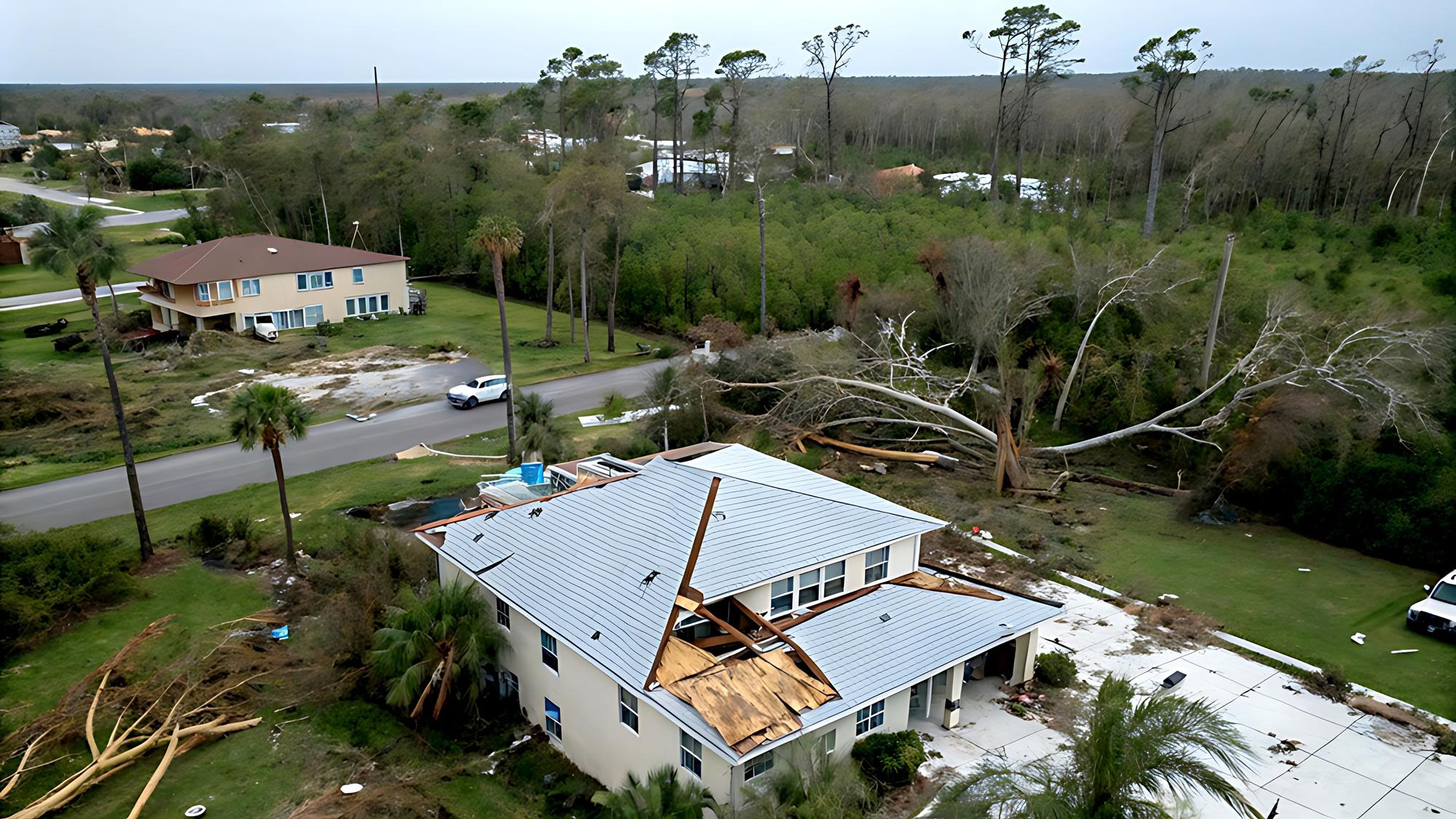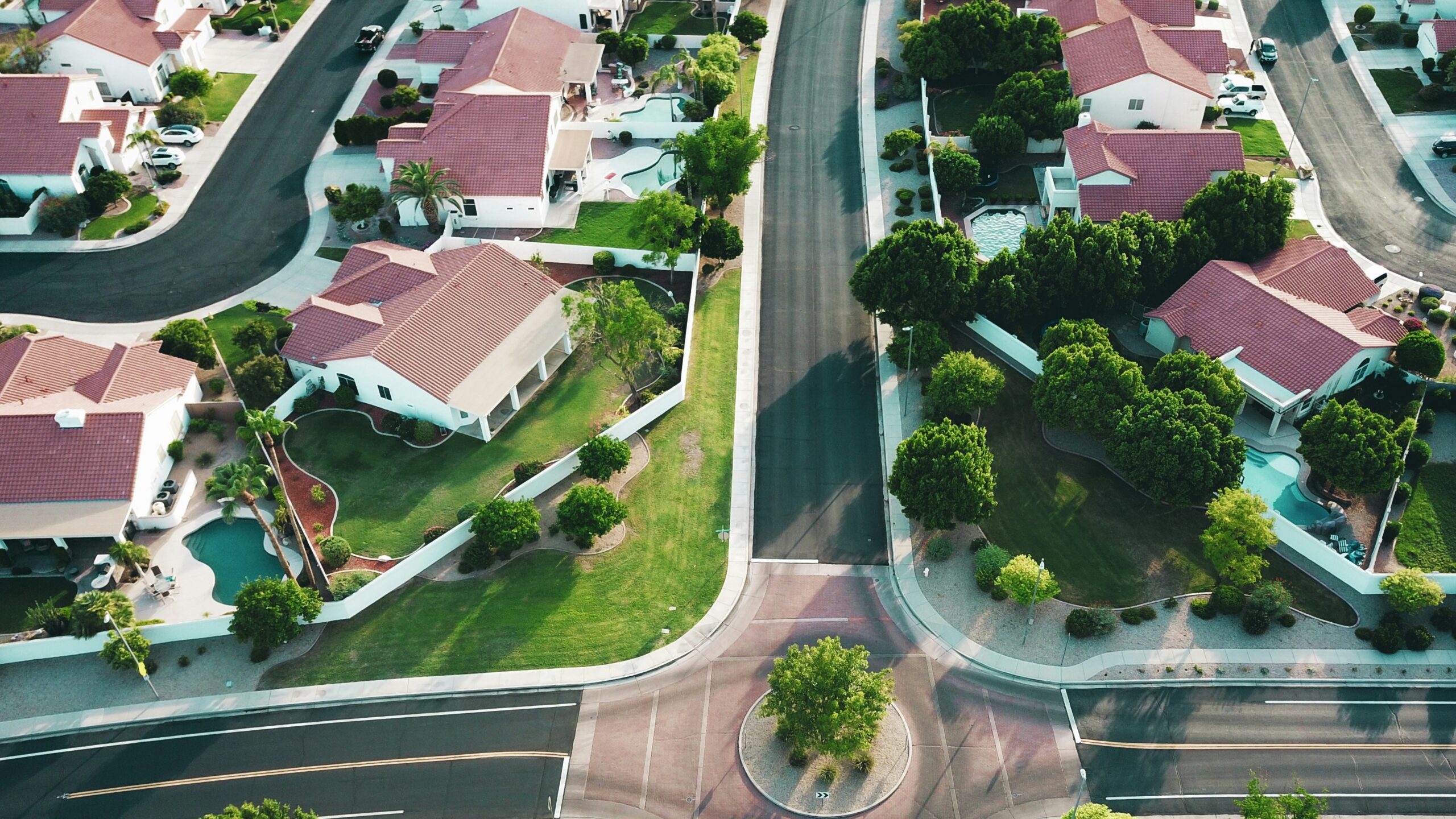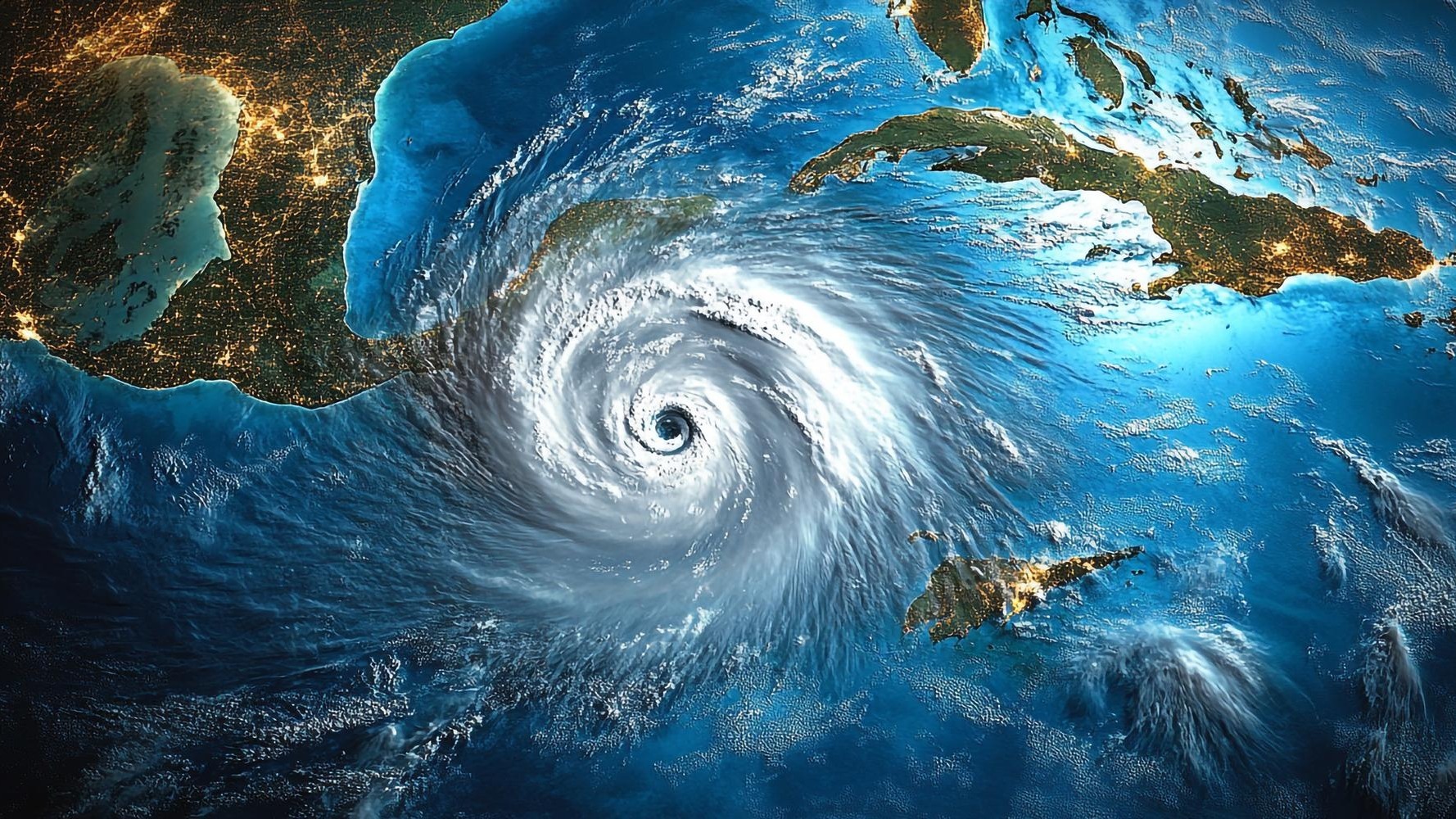
On Sunday, June 1, the Atlantic hurricane season officially begins. For homeowners across Florida and the Gulf Coast who have been putting off buying insurance, the calendar has turned unforgiving: once the National Hurricane Center places a named storm inside its forecast cone, most private carriers in the region stop writing new policies, sometimes within hours. After that, the only fallback is a state-run insurer of last resort, or nothing at all.
This is not a regulation. No state law compels carriers to freeze sales. It is an internal underwriting decision made company by company, and insurers treat their specific trigger points as trade secrets. But the pattern repeats so reliably each year that agents across the Gulf Coast describe it as a fact of life. When a storm appears on the cone, the phones light up and the answer is the same: we are not writing new business right now.
Why the window is already closing
A named storm does not have to form for the clock to work against buyers. Most homeowners insurance policies carry a waiting period, commonly 30 days, before coverage activates. A policy purchased on May 30 would not take effect until late June. Wait another week and activation pushes into July, squarely inside the historical peak zone for tropical development in the Gulf of Mexico.
The Atlantic hurricane season runs from June 1 through November 30, dates NOAA sets based on decades of climatological data. Each spring, the agency’s Climate Prediction Center publishes a seasonal outlook that insurers, emergency managers, and state regulators use as their baseline planning document. In recent years, those forecasts have consistently called for above-normal activity, driven in large part by warmer-than-average sea-surface temperatures across the Atlantic basin. Colorado State University’s tropical weather research team, which has issued independent seasonal forecasts since 1984, has echoed that trend. The combination has kept the insurance industry on edge heading into each new season, and 2026 is no exception.
What happens when the freeze hits
When a private carrier suspends new policy sales, homeowners who have not yet secured coverage face a short and expensive list of alternatives.
In Florida, the primary backstop is Citizens Property Insurance Corporation, the state-created insurer of last resort. Citizens is required to offer coverage when no private market option exists, but its premiums are typically higher, its coverage limits can be lower, and during active storm threats, even Citizens may temporarily pause new applications. The insurer held roughly 1.4 million policies at its peak in late 2023, a sign of how many homeowners had already been pushed out of the private market. Since then, Florida’s ongoing depopulation effort has shifted hundreds of thousands of those policies back to private carriers, but Citizens remains the safety net for homeowners who cannot find coverage elsewhere.
In Texas, the Texas Windstorm Insurance Association (TWIA) fills a parallel role for 14 coastal counties and parts of Harris County, covering wind and hail damage that private carriers refuse to underwrite. The Texas Department of Insurance also issues catastrophe bulletins during active storm threats that can restrict policy cancellations and impose claims-handling standards on carriers already covering properties in the storm’s path.
Neither backstop is a substitute for a private policy secured before the season. Both carry restrictions, both can be overwhelmed by demand during an active storm cycle, and both require their own application timelines that shrink once a storm is in the forecast.
The binder gap that catches homebuyers
Homebuyers closing on a property in late May or early June face a separate trap. Mortgage lenders require proof of insurance at closing, and when a full policy has not yet been underwritten, agents issue a temporary contract called a binder. Under Florida Statutes section 627.420, binders are subject to a 60-day framework tied to cancellation and nonrenewal notice requirements. A buyer who closes with a binder in late May has roughly two months to convert it into a permanent policy.
Here is where it gets precarious: if a named storm enters the forecast cone during that 60-day window, the carrier that issued the binder may decline to convert it into a full policy. No Florida regulatory bulletin has clarified how the binder statute interacts with a carrier’s decision to halt new underwriting during a storm threat. A homeowner holding a binder and a homeowner applying for the first time may be in very different legal positions, but the statute does not draw that line explicitly. For buyers closing right now, that ambiguity is not academic. It is a gap that could leave a newly purchased home uninsured during a hurricane.
The data gap no one has filled
One of the most frustrating dimensions of this problem is how poorly it is measured. Neither the Florida Office of Insurance Regulation nor the Texas Department of Insurance has published figures showing how many policy applications were rejected, delayed, or abandoned because a named storm appeared in the forecast cone. Without those numbers, the scale of the freeze is described anecdotally by agents and consumer advocates but cannot be quantified with confidence.
What can be quantified is the size of the exposed population. Florida alone has more than 7 million residential property insurance policies in force, according to the state Office of Insurance Regulation. Every one of those policyholders is covered. The unknown number of residents who are uninsured or mid-application when a storm forms is the group most at risk, and no agency is tracking them in real time.
What to do before the season opens
Insurance agents who work the Florida and Gulf Coast markets give the same advice every spring: do not wait. The steps are straightforward but time-sensitive.
- Call your agent or start an application today. Even if the policy will not take effect for 30 days, getting into the system before a named storm appears protects your place in the underwriting queue.
- Ask about binding authority. Find out whether your agent can bind coverage immediately or whether the carrier requires additional underwriting steps, such as a four-point inspection, that could delay activation.
- Understand what your policy does and does not cover. Standard homeowners insurance does not cover flooding. Flood insurance through the National Flood Insurance Program (NFIP) also carries a 30-day waiting period, so that clock needs to start now as well.
- If you are closing on a home, confirm your binder terms in writing. Know the expiration date, the conversion requirements, and what happens if the carrier freezes new underwriting before your permanent policy is issued.
- Check Citizens or TWIA eligibility now. If no private carrier will write your policy, these state-backed options exist, but applying early gives you the best chance of having coverage in place before the first storm.
Two days is not much of a window
The forecast cone can fill with a named storm at any point after Sunday. When it does, the private insurance market along the Gulf Coast effectively closes its doors to new customers. Homeowners who have been meaning to shop around in July, or waiting until a renovation wraps up, or assuming they will get to it eventually, are the ones who end up calling their agents in a panic and hearing the word they dreaded: no.
For anyone in that position right now, the next 48 hours may be the last clear shot at coverage before the season decides the timeline for them.