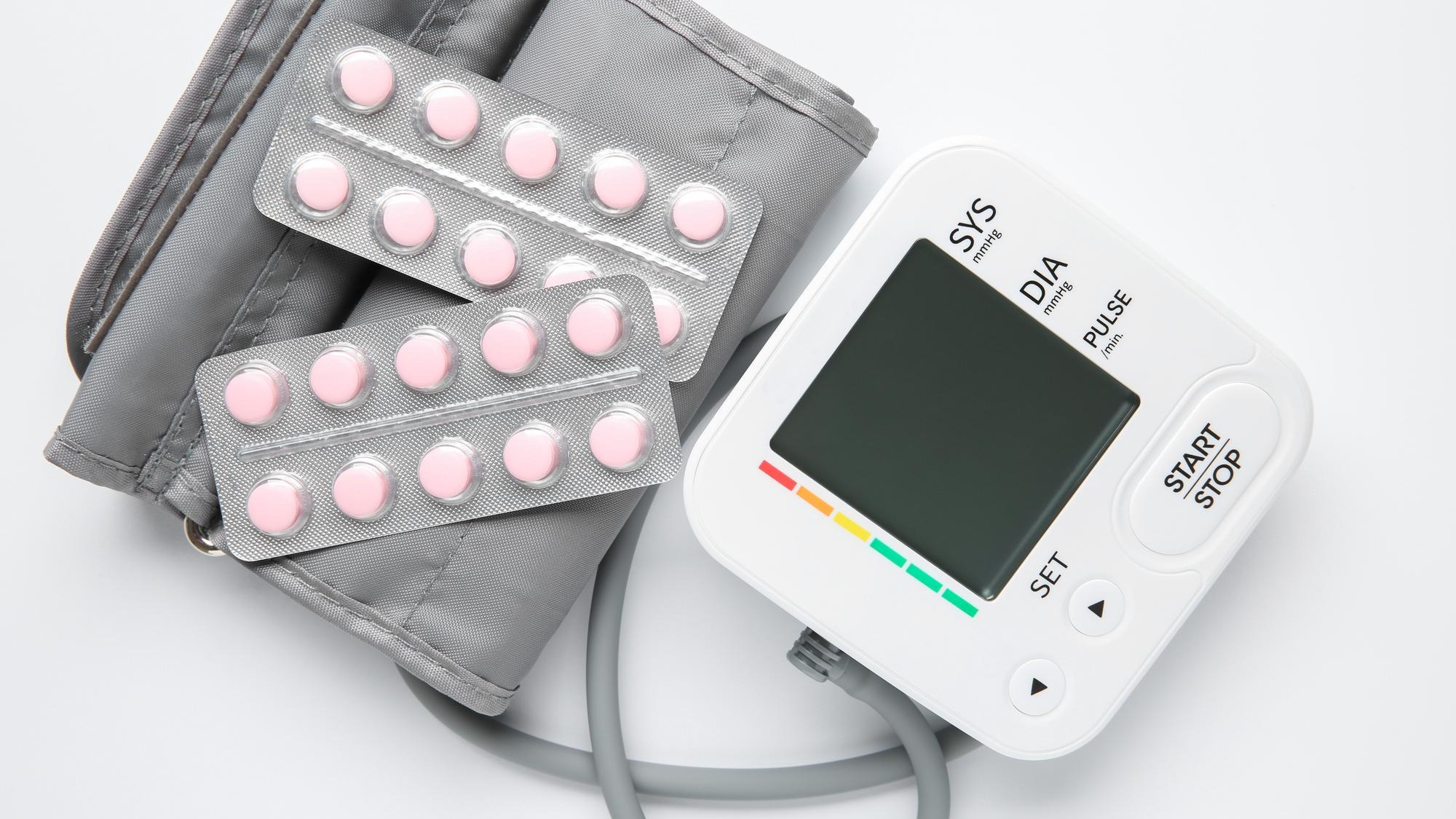
Millions of Americans who took generic blood pressure medication between 2012 and 2019 may have swallowed pills laced with chemicals linked to cancer. They had no way of knowing at the time. Now, a $15.2 million federal settlement, approved through the consolidated proceeding known as MDL 2875 in the U.S. District Court for the District of New Jersey, is offering compensation to people who were dispensed recalled versions of valsartan, losartan, or irbesartan. The catch: you must file a claim by June 2, 2026, or you lose the chance entirely.
The settlement resolves a consolidated federal lawsuit alleging that certain manufacturers and distributors sold blood pressure pills contaminated with nitrosamine impurities. Hundreds of individual claims were pulled into a single proceeding. The case covers consumers who purchased or were dispensed recalled lots of the three drugs during the settlement’s qualifying period, which the settlement terms define as products purchased or dispensed between 2012 and 2019.
What went wrong with these medications
Starting in mid-2018, the FDA identified three nitrosamine impurities in generic versions of valsartan, losartan, and irbesartan: NDMA, NDEA, and NMBA. The International Agency for Research on Cancer classifies NDMA as “probably carcinogenic to humans” (Group 2A). None of these chemicals were supposed to be in the pills. They formed during the manufacturing process at overseas suppliers of the active pharmaceutical ingredient (API), not at the companies that pressed and packaged the finished tablets sold in U.S. pharmacies.
According to the FDA’s safety overview, the contamination traced back to specific API manufacturers abroad. Camber Pharmaceuticals, for example, issued a voluntary nationwide recall of its Valsartan Tablets USP (40 mg, 80 mg, and 160 mg) after NDMA was detected. The FDA’s recall notice identified Hetero Labs as the API supplier responsible for the contaminated ingredient. Similar recalls from other manufacturers followed over the next several months, each tied to different lot numbers and sometimes different nitrosamine impurities.
Not every lot of these three drugs was recalled. The FDA has repeatedly stressed that patients should not stop taking blood pressure medication without consulting a doctor or pharmacist, because untreated hypertension carries serious risks of its own, including heart attack and stroke. Only specific lots from specific manufacturers were pulled, based on lab testing that confirmed nitrosamine levels above acceptable thresholds.
For patients, this created real confusion. Two bottles of pills with the same drug name and dosage could carry very different risk profiles depending on who manufactured the active ingredient and when it was produced. Pharmacies received recall notices keyed to particular National Drug Codes (NDCs) and lot numbers and were expected to remove affected inventory and notify patients directly.
How the lawsuit came together
The Judicial Panel on Multidistrict Litigation consolidated claims from patients nationwide into MDL 2875, formally titled “In Re: Valsartan, Losartan, and Irbesartan Products Liability Litigation.” The $15.2 million settlement that emerged from this proceeding covers consumers who purchased or were dispensed recalled lots of the three drugs. Importantly, claimants do not need to show that they developed cancer or any specific illness. The settlement compensates consumers for having been sold contaminated medication, regardless of health outcome. To qualify, claimants generally need proof of purchase or prescription records tied to affected products, because the settlement is limited to lots that were actually subject to recall.
The FDA maintains a searchable database of recalled angiotensin II receptor blockers, organized by drug name, NDC, lot number, strength, manufacturer, and recall date. You can compare the information on your prescription label or pharmacy paperwork against this database to determine whether you received a recalled product.
The settlement does not mean a court found that any defendant acted wrongfully. It reflects a negotiated resolution intended to compensate affected consumers while avoiding the cost and uncertainty of a full trial.
What the recall looked like for patients
For many affected consumers, the recall notice arrived months after they had already been taking the contaminated pills. Consider a common scenario described in court filings: a patient fills a valsartan prescription in 2017, takes the medication daily as directed, and does not learn until late 2018 or early 2019 that the specific lot dispensed by their pharmacy was on the FDA’s recall list. By that point, the medication had been consumed. There was nothing to return, no way to undo the exposure, and no clear answer about what the health consequences might be.
That kind of delayed discovery is central to the claims in MDL 2875. The settlement exists because thousands of people found themselves in exactly that position, learning after the fact that a pill they swallowed every morning may have contained a probable carcinogen.
What the FDA’s risk assessment found
The patient experience described above raises an obvious question: how dangerous was the exposure? The FDA addressed this directly. In its published risk assessment for the ARB recalls, the agency estimated that if 8,000 people took the highest valsartan dose containing NDMA at the levels detected, every day for four years, there could be one additional case of cancer above what would normally be expected. That is a small incremental risk for any single patient. But across millions of prescriptions filled over several years, regulators and plaintiffs’ attorneys argued the exposure was unacceptable and preventable.
If you are currently taking an ARB (angiotensin II receptor blocker) and are concerned, talk to your prescriber before making any changes. The FDA has been clear that stopping blood pressure medication abruptly can be dangerous. The contamination issue involved specific lots from specific time periods, and current supplies on pharmacy shelves have been subject to tighter testing requirements since the recalls.
What you need to do before June 2, 2026
You do not need a lawyer to file a claim. The process is designed for individual consumers to submit directly. Here is how to act:
- Gather your records. Dig out old prescription bottles, pharmacy printouts, or insurance statements from the qualifying period (2012 through 2019). You need the drug name, dosage, NDC number, and lot number if available.
- Check the FDA’s recall list. Use the agency’s searchable database to see if your specific product matches a recalled lot.
- Contact your pharmacy. If you no longer have your original bottles, your pharmacy may be able to look up the NDC and lot number from its dispensing records.
- File your claim. Submit the required paperwork to the MDL 2875 settlement administrator before June 2, 2026. The claim form and submission instructions are available at valsartanmdlsettlement.com. If you have difficulty locating the form, you can also search for MDL 2875 on the U.S. District Court for the District of New Jersey’s electronic filing system (PACER) or contact an attorney involved in the litigation.
The exact dollar amount any individual claimant will receive has not been publicly disclosed in the court records reviewed for this article as of late May 2026. Payouts will likely depend on factors like how long a patient took the recalled medication and the total number of approved claims filed against the $15.2 million fund. If approved claims exceed the fund’s capacity, individual payments could be reduced proportionally.
Why waiting to file is the real risk
It is tempting to hold off until there is more clarity on how much money you might receive. That would be a mistake. Settlement deadlines in multidistrict litigation are enforced strictly, and courts rarely grant extensions for individual claimants who simply did not get around to it. The cost of filing is your time. The cost of missing the deadline is permanent.
For patients who trusted that their blood pressure pills contained only what the label promised, this settlement represents the only structured path to compensation for having been dispensed medication later found to contain probable carcinogens. Whether the per-person payout ends up being modest or meaningful, June 2 is the only number that matters right now.


