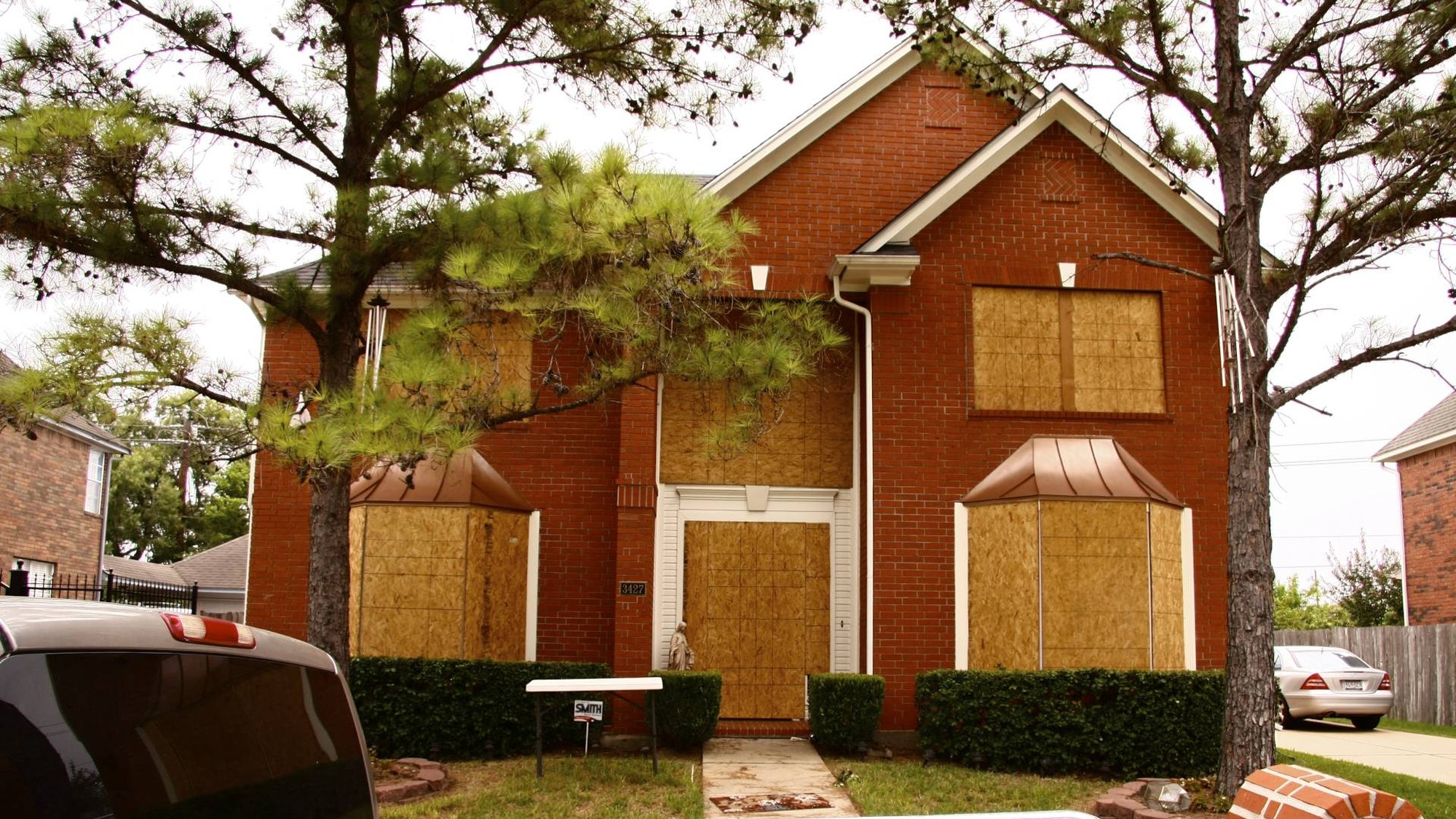
Homeowners in Florida and California are being dropped by their insurers at higher rates than anywhere else in the country, according to a new analysis of the national home-insurance market. The trend, known in the industry as non-renewal, has quietly become one of the biggest financial risks facing homeowners in disaster-prone states, because it can leave a house without coverage through no fault of the person who owns it.
A non-renewal is different from a cancellation. When a policy is non-renewed, the insurer honors the current term but declines to offer a new policy when it expires. For a homeowner, the practical effect is the same: coverage lapses unless a replacement is found, and replacements in the hardest-hit markets are often scarcer and more expensive than the policy being lost. That combination has turned renewal season into an anxious stretch for millions of households along the coasts.
Florida led the nation in 2024 with a non-renewal rate of about 3.35% of home policies, and California followed at roughly 3.18%, according to a review of state-by-state home-insurance data. Those percentages sound modest until they are scaled against the number of homes in each state, where they translate into hundreds of thousands of families told to find a new insurer. Both states share the same underlying problem: catastrophe exposure that has grown faster than the traditional insurance market is willing to absorb.
Two states, two disasters, one outcome
Florida’s pressure comes chiefly from hurricanes, along with a long history of litigation and roof-replacement claims that drove several carriers into insolvency in recent years. California’s comes from wildfire, which has produced some of the costliest disaster seasons on record and pushed major national insurers to stop writing new business in the riskiest areas. The hazards could hardly be more different, but the result for homeowners is strikingly similar: fewer carriers competing for their business and a higher chance of being shown the door at renewal.
State regulators have been working to stabilize both markets. Florida’s insurance regulator, the Office of Insurance Regulation, has pointed to legal reforms and new carriers entering the state as early signs the market is steadying after a turbulent stretch. California has leaned on rule changes designed to keep insurers writing policies in fire country in exchange for letting them price catastrophe risk more fully. Progress in both places has been real but uneven, and it has not yet made non-renewal a rare event for homeowners in the highest-risk zones.
Why insurers pull back
Insurers non-renew for reasons that often have nothing to do with an individual homeowner’s history. A carrier may decide it holds too much exposure in a single county and needs to shrink its footprint before the next storm or fire season. It may lose access to affordable reinsurance, the coverage insurers buy to protect themselves against catastrophic losses. Or it may simply conclude that the rates regulators allow do not cover the risk it is taking on. In each case, the company sheds policies to protect its own balance sheet.
The Insurance Information Institute has described this retrenchment as a rational response to years of mounting catastrophe losses and rising reinsurance costs. For the homeowner on the receiving end, though, a non-renewal notice can feel arbitrary, especially when it lands on a house that has never filed a claim. The letter typically gives a window of weeks to secure new coverage before the old policy expires, and that clock can be unforgiving for anyone unfamiliar with how the replacement market works.
What a non-renewal means for a household
Losing coverage is not just an inconvenience. A mortgage lender requires a home to be insured, and if a homeowner cannot produce a new policy, the lender can buy force-placed coverage and add the cost to the monthly payment. Force-placed policies are usually far more expensive than a standard policy and protect the lender rather than the homeowner, offering no coverage for personal belongings or liability. For a retiree who has paid off the house, a lapse means the home’s entire value is exposed to the next storm or fire with no backstop at all.
Homeowners who receive a non-renewal notice generally have more options than the letter suggests. Independent agents who work with multiple carriers can often locate coverage that a single company would not offer, including specialty and surplus-lines insurers that write policies in higher-risk areas. State-backed plans of last resort, such as Florida’s Citizens Property Insurance and California’s FAIR Plan, exist precisely for homes that cannot find coverage on the open market, though they typically cost more and cover less. Acting quickly, before the existing policy lapses, keeps the most doors open.
Steps that can help before the notice arrives
There are also ways to reduce the odds of being dropped in the first place. Keeping a roof in good repair matters, because roof age and condition are among the first things insurers examine in storm- and fire-exposed states. Documented mitigation work, from hurricane straps and impact windows in Florida to fire-hardening upgrades in California, can qualify a home for credits and make a carrier more willing to keep it on the books. Filing small claims sparingly also helps, since a string of minor claims can flag a home as high risk even when the dollar amounts are low.
The broader lesson from the 2024 data is that home insurance in the most disaster-exposed states has become something homeowners can no longer take for granted. Coverage that renews automatically year after year is no longer guaranteed, and the two states leading the non-renewal list are a reminder that the safest time to line up a backup plan is well before a non-renewal notice ever arrives in the mailbox.
This article was produced with AI assistance and reviewed before publication.
Free tool for readers: Not sure whether your own retirement is on track? You can check your free Retirement Safety Score — a 0–100 number plus a few personalized steps — in about five minutes, with no sign-up required to see your score.