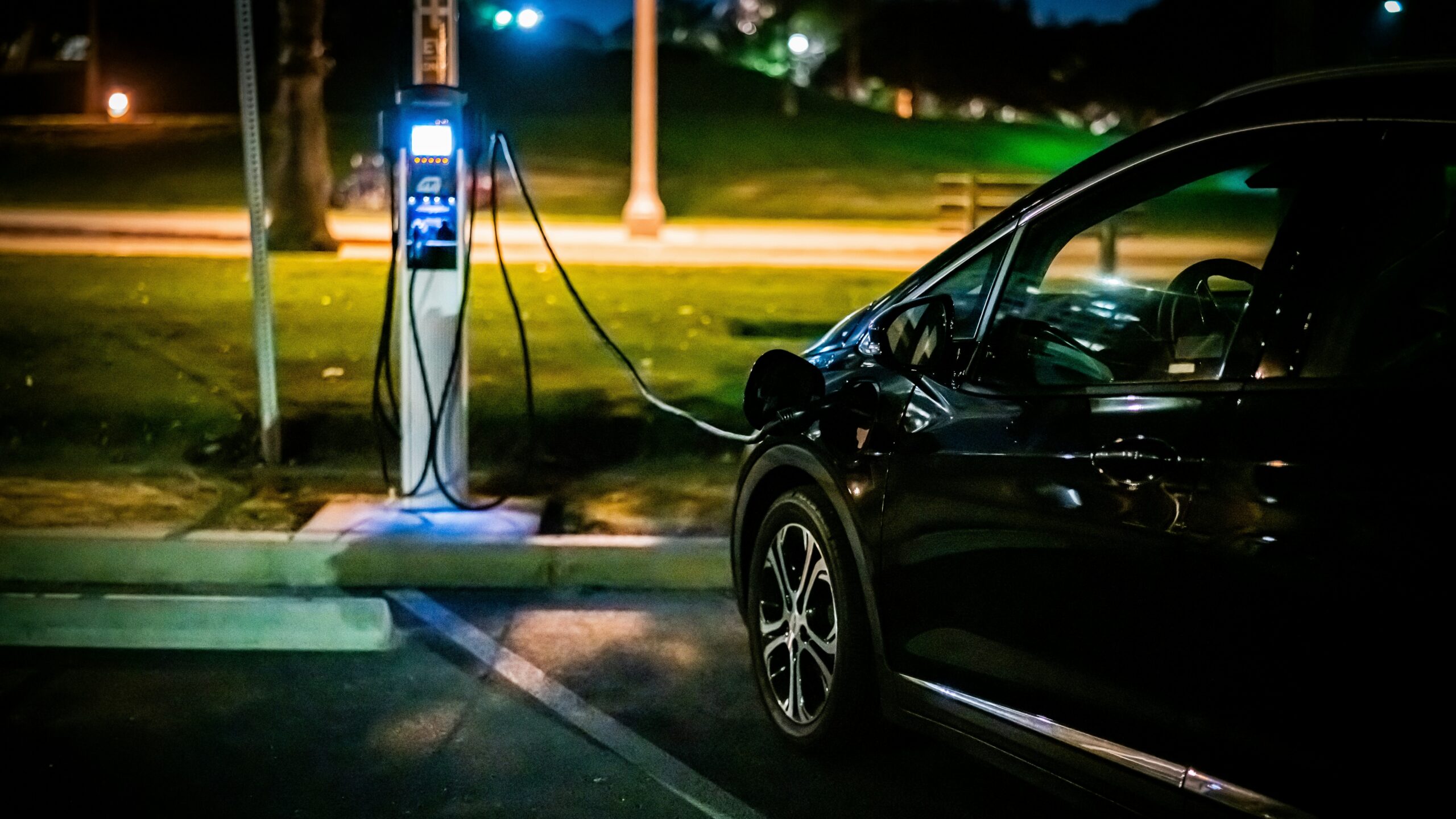
American households shopping for an electric vehicle in 2026 face a steep and growing gap at the insurance counter. The average annual premium for an EV now sits at roughly $3,159, about 42 percent more than the $2,228 a typical gasoline-powered car commands. That spread lands at a moment when federal tax credits and state rebates are actively steering more buyers toward battery-electric models, creating a tension between purchase incentives and recurring ownership costs that no single policy has resolved.
Why the EV premium gap is widening in 2026
Auto insurance has been one of the fastest-climbing components in consumer spending. The April 2026 data from the Bureau of Labor Statistics shows motor vehicle insurance continuing to rise on both a monthly and annual basis, outpacing many other tracked categories. That broad increase hits EV owners harder because their vehicles carry additional cost factors that insurers price into every policy.
The central driver is repair expense, not crash frequency. Battery packs can account for a third or more of an EV’s total value. When a collision damages the pack or its housing, the repair bill often dwarfs what a comparable gas-car claim would cost. Certified EV technicians remain scarce, and replacement parts from manufacturers like Tesla, Rivian, and Hyundai frequently travel through limited supply chains. Each of those variables pushes claims severity higher, and insurers pass the difference to policyholders through wider premiums.
Broader transportation costs reinforce the pressure. The transportation index published by the Bureau of Transportation Statistics ties CPI transportation components to rising consumer costs for maintenance and repair, placing auto insurance increases inside a wider pattern of climbing vehicle-ownership expenses. For households already stretching budgets to cover a new EV loan, the insurance surcharge can erase a meaningful share of the fuel savings that motivated the switch.
What federal data reveals and what it leaves out
Official price indexes confirm the upward trajectory of auto insurance costs but stop short of separating premiums by powertrain type. Series data available through the BLS interface track the insurance component of CPI at a national level without distinguishing between electric and internal-combustion vehicles. That gap means the 42 percent differential cited in industry analyses cannot be independently verified through government datasets alone.
The absence of powertrain-level granularity matters because it leaves a key question unanswered: how much of the surcharge reflects actual loss experience, and how much reflects insurer uncertainty about a still-maturing vehicle class? If anonymized claims-severity data were matched against quoted premiums for paired EV and gas models of similar price and weight, analysts could isolate the battery-repair effect from other pricing factors such as higher purchase prices, theft rates, or driver demographics. No publicly available federal dataset currently supports that comparison, and regulators have not mandated a standardized disclosure that would separate EV-specific risk from the broader insurance trend.
Federal agencies do, however, shape the backdrop. The Department of Labor, which oversees the Bureau of Labor Statistics and publishes national labor and price indicators on its main department portal, provides the benchmarks insurers and policymakers use to gauge whether premium growth is outpacing wages and overall inflation. Those comparisons influence how state insurance commissioners view rate filings and can determine how aggressively they scrutinize the models insurers use to justify higher EV premiums.
Unanswered questions for EV buyers and insurers
Several variables could narrow or widen the gap in coming years, but none has a clear trajectory yet. Battery costs per kilowatt-hour have fallen over the past decade, and some manufacturers are designing packs that allow module-level replacement rather than full-pack swaps. If those designs reach enough vehicles on the road, the cost to repair moderate collision damage could fall, easing the pressure on insurers’ loss ratios and, eventually, on premiums.
At the same time, the complexity of advanced driver-assistance systems cuts both ways. Features like automatic emergency braking and lane-keeping can reduce crash frequency, but they also embed expensive sensors in bumpers, fenders, and windshields. When those components are attached to already costly EV platforms, even minor fender benders can generate large repair bills. Insurers are still refining how they model these offsetting forces, and until the data set of real-world EV crashes and repairs grows larger, pricing will reflect a measure of caution.
For consumers, that uncertainty translates into practical shopping questions. Households comparing a gasoline crossover and its electric counterpart must now weigh not just sticker price and fuel savings, but also a multi-year insurance cost difference that can add thousands of dollars over the life of a loan. Some buyers may respond by choosing higher deductibles, dropping optional coverages, or delaying an EV purchase altogether, potentially slowing the adoption curve policymakers hope to accelerate.
Insurers, meanwhile, are experimenting with ways to refine their view of EV risk. Usage-based policies that incorporate mileage and driving behavior could help distinguish low-risk EV owners from the broader pool, narrowing the average premium gap without waiting for hardware costs alone to fall. Collaboration between automakers, repair networks, and regulators on standardized battery diagnostics and repair protocols could also reduce the number of vehicles deemed total losses after moderate impacts.
Until those efforts bear out in the data, the 2026 EV insurance landscape remains defined by a disconnect: public policy that lowers the cost to buy an electric car, and private risk models that raise the cost to insure one. For now, families considering a switch to battery power must factor in that tension, recognizing that the monthly savings at the charger may arrive alongside a larger bill in the mailbox from their insurer.