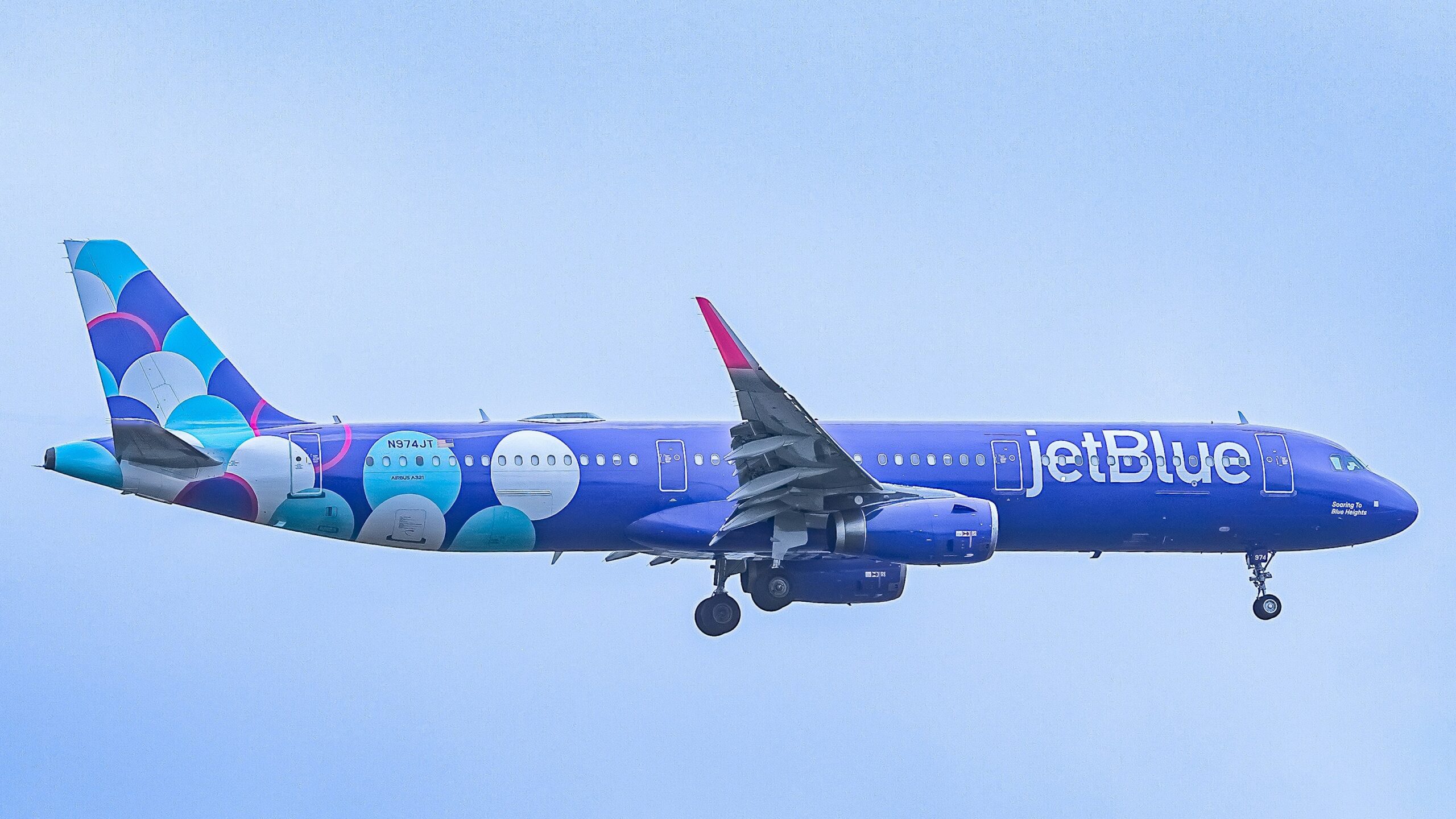
Spirit Airlines began an immediate orderly wind-down of operations this week after its March 2026 restructuring plan failed to produce a viable path forward, and JetBlue founder David Neeleman has pointed to Frontier Airlines as the next ultra-low-cost carrier facing a similar fate. Spirit cited its inability to absorb rising oil prices as the central reason for shutting down, a rationale that now puts a spotlight on every remaining discount airline with thin margins and heavy exposure to fuel costs.
Why Frontier faces the same fuel-cost trap that killed Spirit
Spirit’s collapse did not arrive without warning. The carrier attempted a restructuring earlier in 2026, but the plan did not lead to a going-concern outcome, according to the company’s wind-down disclosure filed with the Securities and Exchange Commission. Flights and ticket sales have ceased. The company also confirmed it will stop filing periodic and current reports with the SEC, effectively ending its public corporate life and signaling that no turnaround investor or buyer emerged with sufficient capital to offset mounting losses.
The immediate tension for Frontier is structural. Ultra-low-cost carriers depend on keeping per-seat costs far below legacy airlines, but fuel is typically their largest single expense. When crude prices climb, that model breaks down faster than it does for carriers with diversified revenue from premium cabins, loyalty programs, cargo, and corporate contracts. Spirit said plainly that it could not keep up with higher oil prices, a vulnerability that applies with equal force to Frontier’s similar fleet mix and route network of short-to-medium-haul domestic flights, where there is less opportunity to spread fuel expenses over high-yield long-haul tickets.
The hypothesis that Frontier could face negative operating margins within two consecutive quarters if WTI crude stays above $85 per barrel draws on the logic of Spirit’s final trajectory rather than on verified internal numbers from Frontier. Without confirmed data on Frontier’s current fuel-hedge positions or quarterly cost breakdowns in the available record, that specific threshold cannot be validated. What is clear from Spirit’s example is that unhedged or lightly hedged discount carriers operating shorter routes burn through cash reserves quickly when fuel spikes, because they lack the pricing power to pass costs to passengers who chose them specifically for rock-bottom fares and are highly sensitive to even modest fare increases.
Frontier also shares another constraint: a customer base trained to expect ancillary fees instead of bundled service. This structure boosts revenue in stable times but becomes a liability when competitors with stronger balance sheets choose to discount aggressively to defend market share. In a high-fuel environment, Frontier would need to raise base fares or fees just as larger rivals might temporarily cut prices, squeezing yields and eroding the cost advantage that underpins the ultra-low-cost model.
Spirit’s SEC filings and the evidence trail
The formal record of Spirit’s demise is contained in two filings. The Exhibit 99.1 press release attached to the Form 8-K stated that the airline began an immediate orderly wind-down after concluding its restructuring could not sustain the business. In the accompanying current report, Spirit outlined the decision to terminate operations and indicated that it no longer saw a realistic path to long-term viability as a standalone carrier. Together, these documents show a company that explored restructuring but ultimately determined that rising fuel costs and limited financial flexibility left no credible alternative to shutting down.
The Associated Press reporting corroborates Spirit’s regulatory disclosures, emphasizing that the carrier shut down because it could not keep up with higher oil prices. That external confirmation matters because it narrows the list of proximate causes: while labor costs, aircraft financing, and competitive pressures all affect airline profitability, Spirit’s final communications singled out fuel as the decisive factor, not a generic reference to “macroeconomic headwinds.”
David Neeleman, who founded JetBlue in 1998 and later started Breeze Airways, has publicly warned that Frontier now sits in a precarious position. His comments suggest that the business model Spirit pioneered and Frontier largely shares-built around bare-bones fares on Airbus narrowbody jets flying dense domestic routes-has reached a breaking point in the current fuel environment. Neeleman’s track record gives the warning weight: he has launched multiple commercial airlines across different markets and has direct experience with the capital intensity and volatility of low-fare operations, particularly when external shocks hit fuel or demand.
Frontier and Spirit were so closely aligned in strategy that the two carriers pursued a merger in 2022, a deal that eventually fell apart under regulatory and competitive scrutiny. They targeted the same cost-conscious leisure travelers, relied on similar fee-heavy revenue models, and built networks that often overlapped on sun and leisure destinations. The fact that one half of that proposed combination has now exited the market under the pressure of fuel prices underscores how little margin for error remains for the other. Unless Frontier can demonstrate stronger hedging, deeper liquidity, or a credible plan to diversify revenue beyond ultra-low fares, the structural trap that ended Spirit’s public corporate life may soon test the resilience of one of its closest peers.