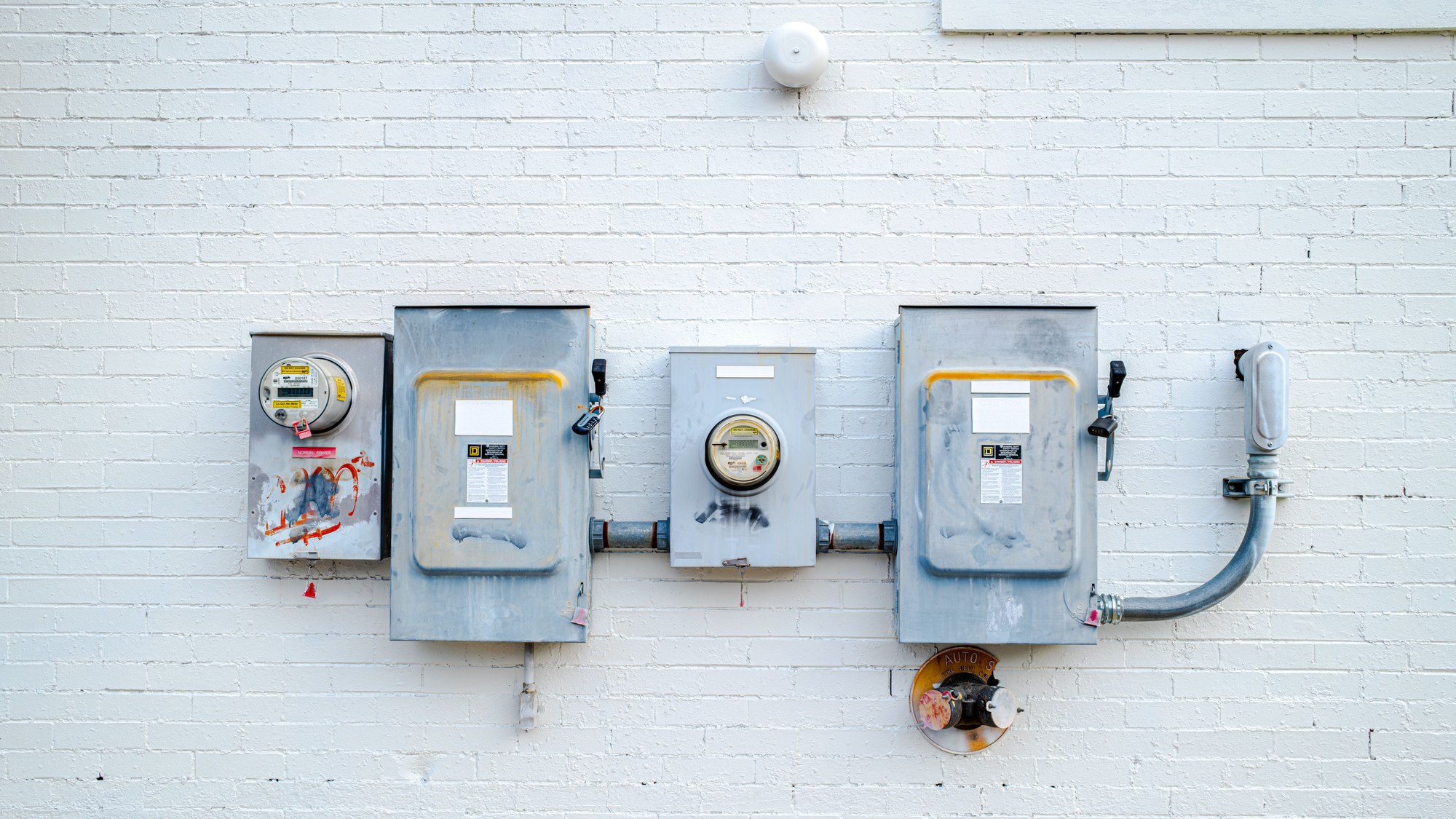
Kansas residents who have fallen behind on a gas, electric or water bill have a legal right to spread the debt over 12 months this winter, and regulated utilities cannot shut off service when the forecast calls for temperatures below 35 degrees. The Kansas Corporation Commission said the Cold Weather Rule began Nov. 1 and runs through March 31. It covers residential customers of utilities under the commission’s jurisdiction.
The payment plan is the part that most often decides whether a household keeps its heat. The commission says customers with a past-due balance qualify, but “it is the customer’s responsibility to contact the utility to make those arrangements.” Nothing happens automatically, so anyone already behind needs to make that call before a disconnect notice turns into a shutoff.
Stay ahead of government payment news: Miss an enrollment or claim deadline and the money can be gone. Join the Retirement Money Brief and we’ll send you our 2026 Government Check Reality Tracker as a welcome gift.
Get the Brief + the check tracker →
We may earn a commission from links on this page.
How does the 12-month plan work?
The commission’s rule page says customers “always have the option of spreading your payment over a total of 12 months.” To keep service on or to get it back, a customer pays one-twelfth of the total past-due amount plus one-twelfth of the current bill. The customer also pays any disconnection or reconnection fee and any deposit owed.
The rest is paid in equal installments over the next 11 months, on top of the regular monthly bill. A household that owes $1,200 would start with $100 of the arrears plus one-twelfth of the current bill and the fees, then $100 a month toward the balance. That example is arithmetic, not a quote from the commission, and the actual amounts depend on the utility’s records.
Customers can also negotiate a faster payoff that clears the balance in fewer than 12 months. Anyone who falls behind on a previous plan and cannot catch up needs a new payment agreement. While paying down old debt, a customer must also pay the full bill for new service each month.
When can a utility not shut off the heat?
Under the rule, a utility cannot disconnect service when the local forecast shows temperatures below 35 degrees within the following 48 hours. The commission’s consumer brochure says a utility may begin disconnection once a 48-hour forecast is above 35 degrees. If a later forecast drops below 35 before that period ends, the utility has to wait for another forecast above 35.
The rule page adds that the ban applies “except in certain circumstances,” which it does not spell out. It also says a customer who wants to prevent disconnection on a day that is 35 degrees or warmer, or to be reconnected at any temperature, must make payment arrangements with the utility. The forecast protection is a pause, and the debt is still owed.
Utilities must send written notice 10 days before a disconnection and try a phone call or personal contact the day before. They are also required to tell customers about the Cold Weather Rule plan and about agencies that have funds to help pay utility bills. A customer who gets a notice can use that time to ask for the plan in writing.
Which Kansas households are left out?
The rule is narrower than the phrase “Kansas utilities” suggests. The commission’s news release says it “applies only to residential customers of utility companies under the KCC’s jurisdiction.” Municipal utilities and cooperatives fall outside the rule, though the release says many have similar winter policies of their own.
A customer of a city-owned utility or an electric cooperative should ask that utility directly what it offers, because the commission’s plan terms may not apply. Natural gas, electric and water utilities regulated by the commission are covered. Landlords who pay a bill for a building are not addressed in the material the commission published.
The commission’s consumer line is (800) 662-0027, and the same office can be reached at 785-271-3140. Peter Barstad, the commission’s director of public affairs, is listed as the media contact at 785-271-3269. The rule page says it also lets customers apply for federal, state, local or special funds they qualify for while on a plan.
What is the rule’s history?
The commission’s rule page says the Cold Weather Rule was designed in 1983. It has run each winter since, from Nov. 1 through March 31. That makes it one of the longer-standing consumer protections the commission administers, and the dates have stayed the same.
Because the rule protects against shutoff rather than erasing a balance, the practical test is the first payment. The upfront amount is one-twelfth of the arrears, one-twelfth of the current bill, plus fees and any deposit, and it has to be paid to keep or restore service. A household that cannot meet it should tell the utility and ask about funds from the agencies the utility is required to name.
The commission also lists its Office of Public Affairs and Consumer Protection at (800) 662-0027 as the consumer number for the rule. A customer who is told no plan is available, or who gets a shutoff threat while the 48-hour forecast is below 35 degrees, has a state office to call. Keeping dates, names and what was promised on each call makes the follow-up easier.
Behind on a Kansas utility bill before the cold sets in?
The Cold Weather Rule pauses shutoffs on cold-forecast days, but it does not erase a balance, and the plan starts only when the customer calls. A household that waits for a disconnect notice can face the first payment and fees at the worst time.
The Senior Property Tax & Home-Cost Relief Kit includes heating, cooling and home-repair help, plus an application log and renewal calendar to keep each program’s dates and paperwork in one place. It is a 64-page kit built for older homeowners managing utility and home costs.
Get the utility-help guide and renewal calendar for a past-due Kansas bill →
This article was produced with AI assistance and edited for accuracy against the sources linked above.