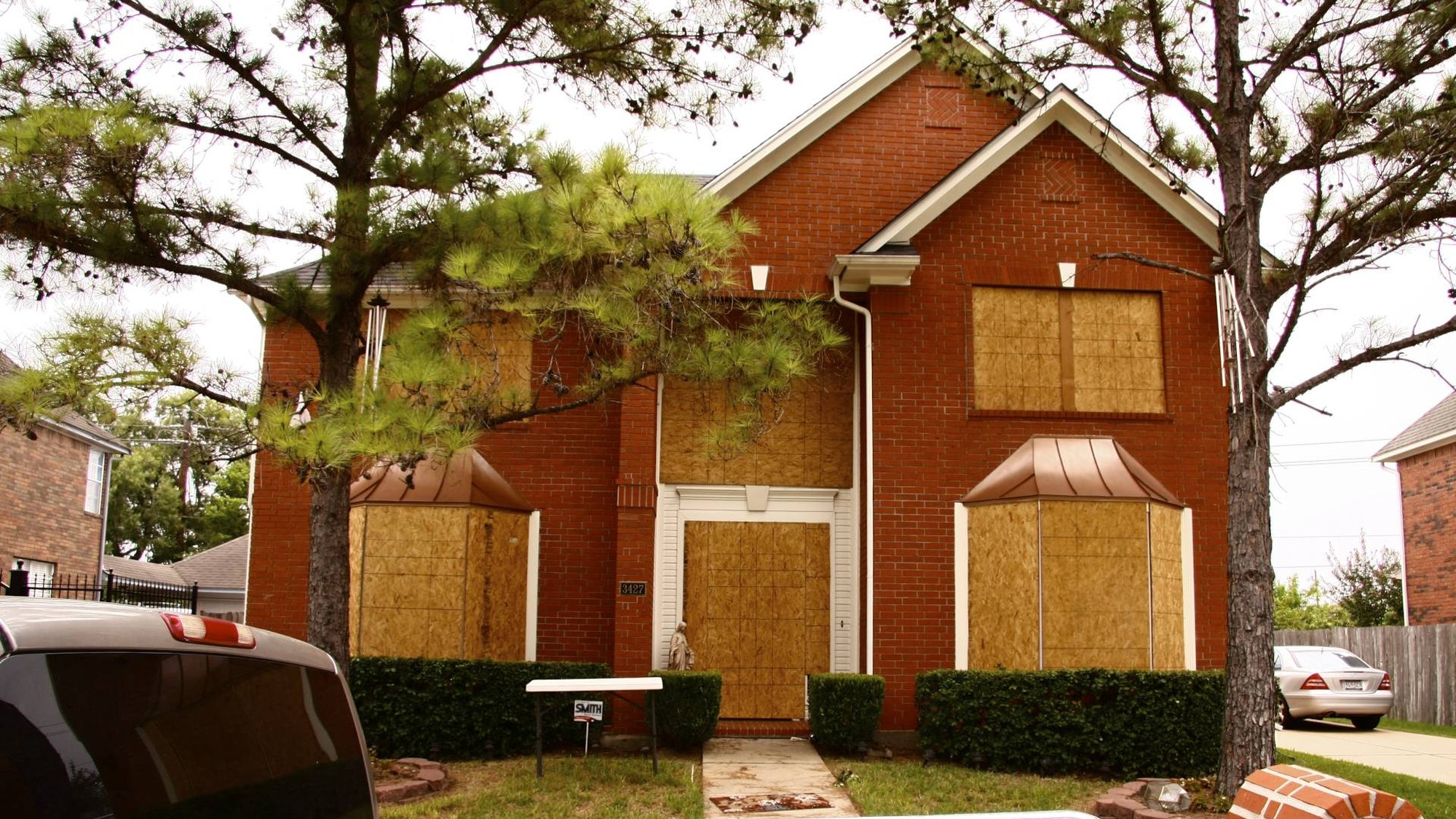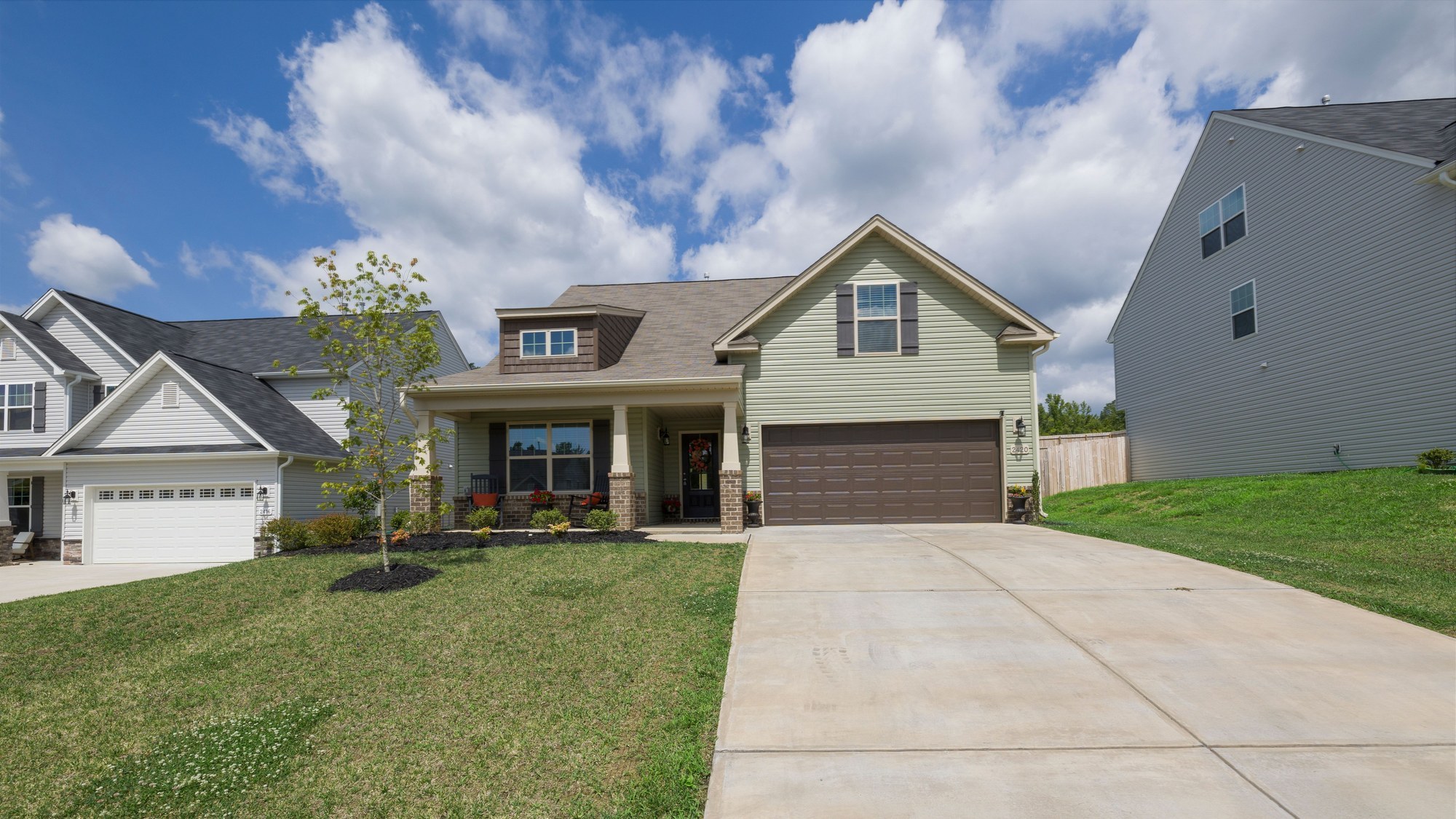
Lenders took back 45% more homes in the first quarter of 2026 than in the same period a year earlier, according to ATTOM data, as a collision of elevated mortgage rates and fast-rising insurance premiums pushed more owners past the breaking point. The jump in completed foreclosures, or bank repossessions, arrived alongside federal survey data showing that seven in ten homeowners have watched their insurance bills climb in recent years. For borrowers already stretched by post-pandemic rate resets, the added cost of keeping a policy current is tipping some into default.
How insurance costs and rate pressure are driving repossessions
The 45% year-over-year increase in lender repossessions during Q1 2026 reflects what ATTOM described as a market that “continues to normalize” after pandemic-era moratoriums and forbearance programs held foreclosure counts artificially low. But normalization alone does not explain the speed of the rebound. Two cost pressures are converging on the same households at the same time: mortgage payments that locked in at higher rates during 2022 and 2023, and insurance premiums that have risen sharply in regions exposed to hurricanes, wildfires, and severe convective storms.
A recent federal audit found that private homeowners insurance premiums generally tracked inflation nationwide from 2019 to 2024 but rose considerably faster in disaster-prone areas over the same period. That geographic split matters because many of the counties with the steepest premium growth overlap with Sun Belt and Gulf Coast housing markets where buyers stretched budgets to purchase homes when rates were still near historic lows. When an annual insurance bill jumps by hundreds or thousands of dollars on top of an already tight monthly payment, the margin for absorbing any income disruption shrinks to almost nothing.
The same Government Accountability Office work, detailed in an interactive report, highlights how insurers have raised prices or pulled back coverage in places with repeated catastrophe losses. In those communities, homeowners often face a difficult choice: pay sharply higher premiums to stay with a traditional carrier, move into a state-backed insurer of last resort that may offer narrower coverage, or go without and risk being out of compliance with their mortgage. Each option carries financial stress that can spill over into the ability to keep up with housing payments.
Federal survey data quantifies the squeeze on owners
Two independent surveys conducted in the past year confirm that the insurance burden is not a narrow, regional complaint. The Federal Reserve’s 2025 survey of household economic well-being reported that more than six in ten owners with coverage said their insurance costs rose more than expected in recent years. A separate Pew Research Center poll, fielded March 16 through 22, 2026, put the share even higher: 71% of U.S. homeowners said their home insurance costs had gone up, with 42% saying costs jumped “a lot.”
Those figures matter for the foreclosure pipeline because lenders require active insurance as a condition of the mortgage. When a homeowner cannot afford to renew a policy, the servicer typically force-places coverage at a steep markup, adding that cost to the monthly escrow. The result is a payment shock that can trigger delinquency even when the borrower was current on principal and interest. Neither the GAO analysis nor the Fed survey isolates insurance non-renewal as a direct cause of individual foreclosures, but the pattern of rising premiums feeding into rising repossessions is consistent across the data and industry anecdotes.
Higher borrowing costs amplify that effect. Owners who bought or refinanced when mortgage rates surged in 2022 and 2023 do not have the option of easily refinancing into a cheaper loan. For them, trimming other household expenses is often the only way to stay current. As inflation erodes purchasing power and insurance consumes a larger slice of the budget, even a modest income shock-reduced hours, a medical bill, a car repair-can be enough to push a once-manageable mortgage into serious delinquency.
Gaps in the data and what to watch next
Several pieces of the puzzle are still missing. No public dataset currently cross-references ATTOM’s county-level foreclosure filings with the GAO’s premium-change estimates by risk tier. Without that linkage, it is difficult to quantify exactly how many repossessions are occurring in places where insurance costs have risen the fastest, or to separate the impact of premiums from other drivers like job losses and broader affordability strains.
Researchers and policymakers are watching three indicators in particular. First is the share of borrowers who fall behind immediately after a large escrow adjustment, a sign that insurance or tax changes are the precipitating factor. Second is the growth of state insurer-of-last-resort programs, which can signal that private coverage is becoming unaffordable or unavailable in certain markets. Third is the trajectory of completed foreclosures relative to early-stage delinquencies: a rising conversion rate from missed payments to repossession would suggest that fewer troubled borrowers are finding exit ramps through loan modifications or sales.
For now, the available evidence points to a foreclosure landscape shaped by intertwined pressures rather than a single shock. Mortgage rates remain well above the lows of the late 2010s, insurance premiums are rising fastest where climate risks are most acute, and household budgets are absorbing both at once. Unless either borrowing costs or coverage prices ease meaningfully, lenders and homeowners alike should expect elevated repossession activity to persist, especially in the regions where housing and hazard risk are most tightly bound together.