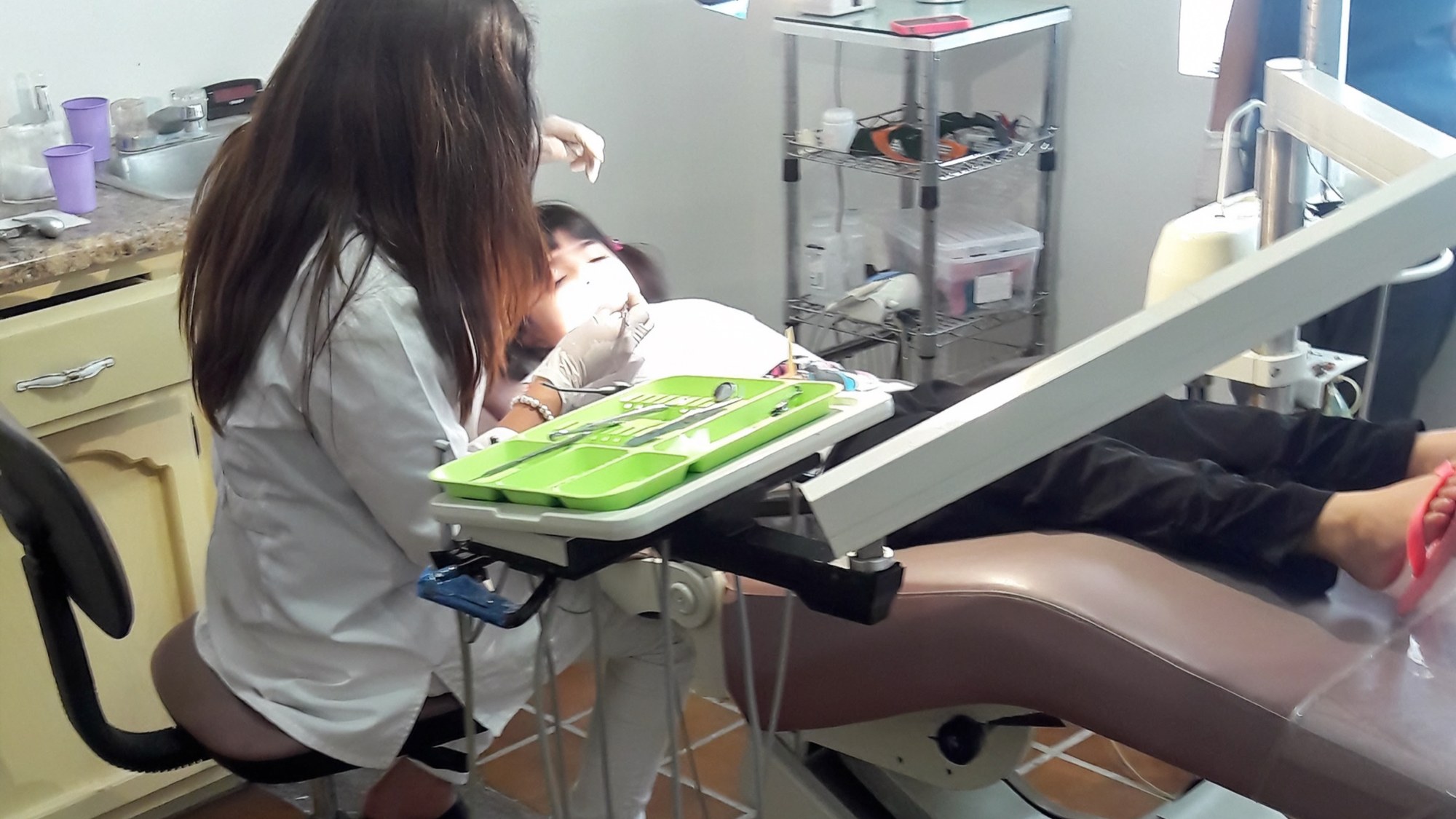
Among the benefits Medicare already pays for, one of the least used is also one of the simplest: a yearly screening for depression, available at no cost to the enrollee. Older adults face real rates of depression, often tangled up with grief, chronic illness or isolation, yet the condition frequently goes unnamed because no one thinks to ask about it. Medicare covers the screening precisely so the question gets asked, and the household owes nothing when the rules are met.
The Free Screening Most Enrollees Never Request
Medicare’s Part B benefits include one depression screening per year, and its coverage page for depression screenings states that a beneficiary pays nothing for the visit when the provider accepts assignment. There is no deductible to meet first and no coinsurance to split afterward. The only structural condition is that the screening happen in a primary care setting, such as a doctor’s office, that can also arrange follow-up treatment or a referral if the result warrants it.
The screening itself is brief. It typically involves a short set of standardized questions about mood, sleep, energy and interest in daily activities, the kind of check that takes minutes but can surface a problem the patient had written off as ordinary aging. Because it is built into routine primary care, an older adult can often complete it during a visit already on the calendar.
What keeps the benefit underused is awareness. Many enrollees never learn it exists, and a stigma around mental health can stop a retiree from raising the subject unprompted. That gap is the reason a free, routine check matters: it normalizes the question and removes the cost as a reason to skip it.
Free retirement updates: Quiet rules like a no-cost screening are easy to miss until someone points them out, and the same is true of the changes that can shrink a Medicare or Social Security check. Retirement Shield sends free plain-English updates at its newsletter sign-up.
How the Screening Fits With the Yearly Wellness Visit
The depression screening often rides along with another no-cost benefit, the annual wellness visit. Medicare’s page on yearly wellness visits explains that Part B covers a yearly appointment to develop or update a personalized prevention plan, and mood and cognitive concerns are part of that conversation. Pairing the two means an older adult can address mental health in the same sitting that reviews medications, screenings and risk factors.
Keeping the pieces straight helps a household avoid a surprise bill. The screening and the wellness visit are preventive services with no cost sharing, but if the same appointment turns into treatment for a specific complaint, the additional care can fall under normal Part B cost sharing. Understanding where the free preventive service ends and billable care begins is worth a question to the provider’s office before the visit.
What Medicare Pays for Once a Screening Points to a Problem
A screening is only a first step. When it flags something, Medicare’s broader mental health coverage takes over. The program’s outpatient mental health coverage includes visits with psychiatrists, clinical psychologists, clinical social workers and other qualified professionals, along with individual and group therapy and management of medications. In recent years Medicare has also broadened the range of professionals it recognizes, widening access to counseling.
This care is not free the way the annual screening is. Outpatient mental health services generally fall under standard Part B cost sharing, meaning the enrollee pays the Part B deductible and then a share of the approved amount, unless a Medigap policy or other coverage picks up that portion. A retiree budgeting for ongoing therapy should treat it like any other outpatient care rather than assume it carries no cost.
The distinction is worth holding onto. The yearly screening is the no-charge doorway; the treatment behind it follows the same cost rules as the rest of Part B. Knowing that in advance lets an older adult walk through the door without being blindsided by what comes after.
Why the Benefit Rewards Being the One to Ask
Depression in later life is treatable, and catching it early tends to make treatment simpler and cheaper than waiting until it deepens into a crisis. The financial logic mirrors the medical one: a free annual check that heads off a hospitalization or a spiral of untreated illness protects both health and household budgets. For caregivers watching an aging parent, the screening is also a low-pressure way to raise a hard subject, since it is framed as routine care rather than an accusation that something is wrong.
The practical takeaway is small but concrete. An enrollee, or the family member helping manage appointments, can ask the primary care office to include the depression screening at the next visit and confirm it is billed as the covered preventive service. The benefit is already paid for; the only thing standing between a retiree and it is the request.
This article was researched and drafted with the assistance of AI and reviewed by The Financial Wire editorial team.
More Financial Reading
- Adding someone to your bank account: tax traps and smart moves
- The ideal retirement withdrawal rate so your savings actually last