Home health care can carry two different Original Medicare cost rules at the same time. Medicare lists a $0 beneficiary charge for covered home-health services, while it lists a 20% share of the Medicare-approved amount for covered durable medical equipment. That split means a home visit and the equipment used at home should not be assumed to have the same out-of-pocket result.
Covered Services and Equipment Follow Separate Rules
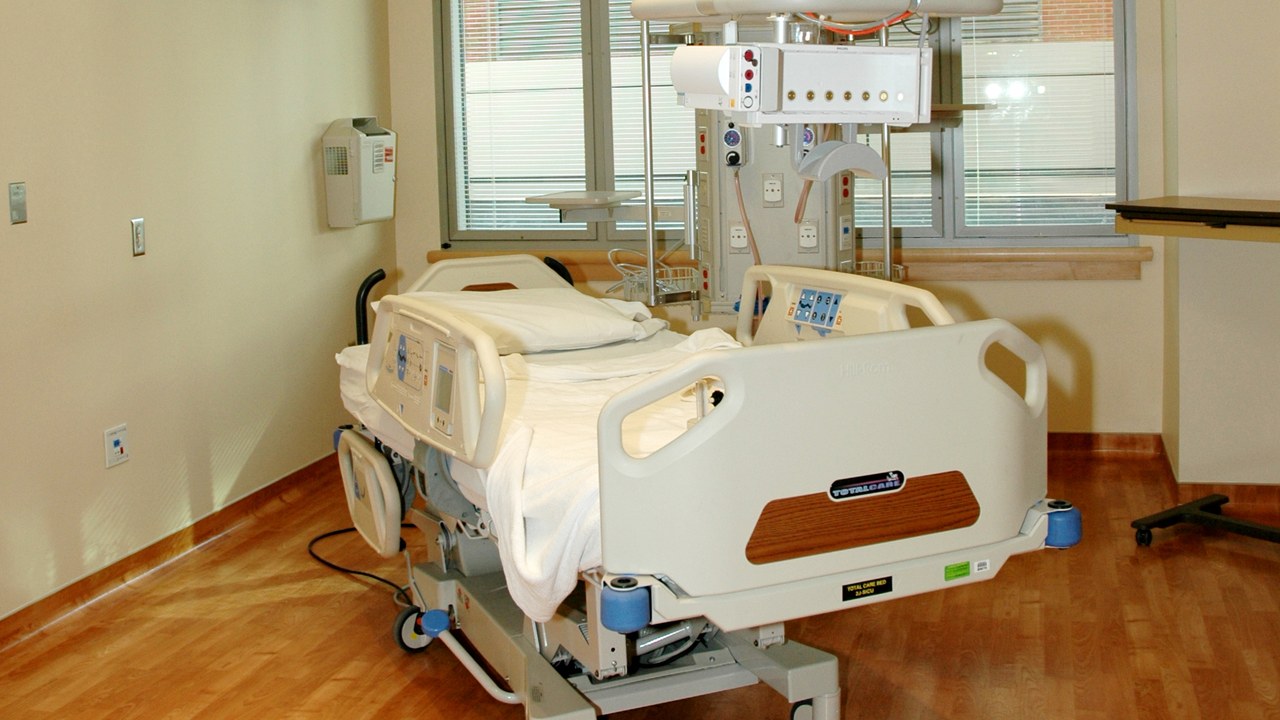
The current Medicare.gov cost page lists “$0 for covered home health care services.” In the same entry, it says the beneficiary pays 20% of the Medicare-approved amount for durable medical equipment, giving wheelchairs, walkers and hospital beds as examples. The rule applies to covered equipment, not merely to equipment that a household finds useful or that a provider recommends.
That wording is important because “home health” describes a setting, not one single benefit. Skilled nursing visits, therapy and other qualifying services are evaluated under home-health rules. A walker or hospital bed is evaluated as durable medical equipment, with its own coverage, supplier and payment rules.
Free retirement updates: A quiet rule change can shrink your Social Security or Medicare check, and no one warns you. The free Retirement Shield newsletter catches these early and tells you what to do. Get it free.
“Covered” Does the Work in Both Parts of the Rule
The zero charge is not a promise that any service delivered in a residence is free. Medicare has eligibility and plan-of-care requirements for home health care. The 20% equipment share likewise applies after the item has met Medicare’s coverage standards and the supplier relationship is appropriate for the benefit. A noncovered item can create a different bill altogether.
Original Medicare payment also depends on the Medicare-approved amount. Twenty percent is calculated from that approved amount, not necessarily from a supplier’s first quoted price. Whether the supplier accepts assignment can affect how billing is handled, which makes the estimate, supplier documentation and Medicare Summary Notice useful records when the equipment arrives.
Wheelchairs and Beds Can Be Durable Medical Equipment
Durable medical equipment is generally equipment that can withstand repeated use, serves a medical purpose and is suitable for use at home. The Medicare page identifies wheelchairs and hospital beds as examples in its cost explanation. Equipment can be rented rather than bought, and the length of need can affect the transaction structure, but those details do not eliminate the stated 20% cost-sharing rule.
The distinction is easy to miss after discharge. A household may hear that Medicare approved home health care and reasonably expect all linked support to be included. The published cost schedule instead separates professional home-health services from the physical equipment that enables care in a home.
Other Coverage Can Change the Final Share
Medigap policies can help pay some Original Medicare cost sharing, depending on the policy. Medicaid and Medicare Savings Programs may assist qualifying beneficiaries with certain Medicare costs. Medicare Advantage plans use their own network and cost-sharing rules, although they cover Medicare services. None of those alternatives changes what the Original Medicare table says about the basic split.
A beneficiary with supplemental coverage may therefore see a lower amount than the 20% listed for durable medical equipment. Another beneficiary may see the full share. The $0 and 20% figures are not competing facts; they apply to different pieces of a home-care episode.
Documentation Separates a Service Bill From an Equipment Bill
A useful review starts by identifying the service, the equipment item, the Medicare-approved amount and the coverage determination. That helps distinguish a billing error from an expected coinsurance amount. It also prevents an invoice for a hospital bed or wheelchair from being mistaken for a charge for the nurse, therapist or home-health agency visit.
Coverage notices and supplier estimates should describe the particular item rather than using the broad phrase “home health.” If an item is rented, the periodic charge should be compared with the approved amount and the duration recorded by the supplier. Questions about whether an item is covered are different from questions about the 20% share that follows a covered determination.
For 2026, the official rule is concise: covered home-health services have a $0 beneficiary charge, and covered durable medical equipment has a 20% beneficiary share. The qualifying status of the care and item determines whether either rule applies.
Medicare Costs That Run Through State Programs
Equipment coinsurance is separate from the state-run programs that can help with Medicare premiums and other Medicare costs. Medicare Savings Programs and Extra Help require their own applications and do not begin when home health care is ordered.
The Benefits Checklist is a 69-page guide covering 11 programs, with 2026 income limits, a printable tracker and a 50-state phone directory.
See the Medicare assistance list in The Benefits Checklist.
AI tools assisted in researching and drafting this article, which was reviewed prior to publication.