Until recently, a trip to the pharmacy for a shingles vaccine could cost a Medicare enrollee more than a week’s worth of groceries. Shingrix, the two-dose vaccine recommended for adults 50 and older, lists at roughly $200 per shot. Before 2023, most Part D plans required enrollees to cover a copay, coinsurance, or deductible on each dose. An ASPE beneficiary savings analysis found that a majority of Part D enrollees who received Shingrix faced cost-sharing in the range of $50 to $100 or more per dose, putting the full two-dose series at $100 to $200 out of pocket even with insurance. For seniors living on fixed incomes, that price tag was enough to skip the shot altogether.
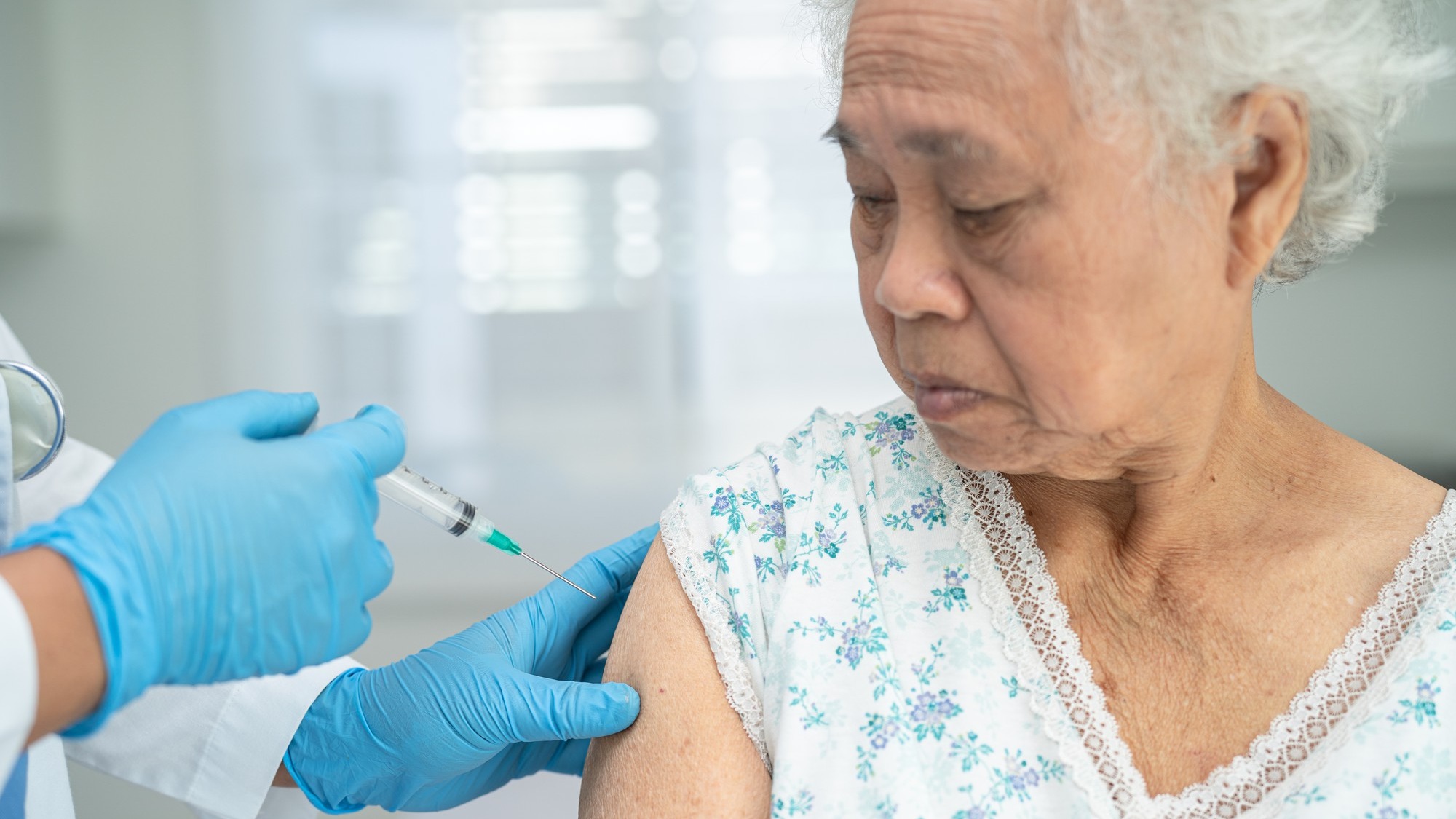
Starting January 1, 2023, a provision in the Inflation Reduction Act changed the equation. The law requires every Medicare Part D plan and every Medicare Advantage plan with drug coverage to cover adult vaccines recommended by the CDC’s Advisory Committee on Immunization Practices (ACIP) at zero cost-sharing. No copay. No coinsurance. No deductible. As of June 2026, that means seniors enrolled in Part D can walk into a participating pharmacy or doctor’s office and receive vaccines like Shingrix, RSV shots (Arexvy or Abrysvo), and others without paying a dime.
Which vaccines are covered at $0 and how the billing works
The zero-cost rule covers every adult vaccine that carries a current ACIP recommendation and falls under Part D. The $0 benefit applies at any in-network pharmacy that can bill your Part D plan, whether that is a national chain like CVS or Walgreens, a grocery store pharmacy, or an independent community pharmacy. Here are the vaccines most relevant to older adults:
- Shingles (Shingrix): Recommended for adults 50 and older. The two-dose series, with shots spaced two to six months apart, runs roughly $400 at retail without insurance. Medicare now covers both doses at $0 under Part D.
- RSV (Arexvy or Abrysvo): At its June 26, 2024 meeting, ACIP voted to recommend a single RSV dose for all adults 75 and older and for adults 60 to 74 at increased risk of severe RSV disease, replacing the earlier shared clinical decision-making framework. That updated recommendation is documented in the ACIP meeting records. Because Part D coverage follows ACIP recommendations, the vaccine is $0 for those who meet the current criteria.
- COVID-19 vaccines: After COVID-19 vaccines moved to the commercial market in late 2024, ACIP-recommended doses became covered under Part D at $0 cost-sharing for Medicare enrollees, just like other recommended vaccines.
- Tdap, hepatitis B, and hepatitis A: Also covered at no cost under Part D for adults with qualifying ACIP indications.
Where flu shots fit in: Seniors also pay $0 for flu vaccines, but the billing works differently. Medicare has covered seasonal influenza shots under Part B (the medical insurance benefit) since the Affordable Care Act’s preventive care provisions took effect for Medicare beneficiaries in 2011. So while the result at the pharmacy counter is the same (you pay nothing), the claim is processed through Part B, not your Part D drug plan. This distinction rarely matters unless a billing error sends the claim to the wrong channel, which does happen and is worth knowing about.
If you only have Original Medicare (Parts A and B) without a Part D plan: You are covered for flu, pneumococcal, COVID-19, and hepatitis B vaccines under Part B at no cost. However, vaccines like Shingrix that are billed through Part D require Part D enrollment for $0 coverage. Without Part D, you would pay the full retail price.
Federal data shows the policy is working
Removing the price tag appears to be driving exactly the response public health officials hoped for. Researchers at the HHS Office of the Assistant Secretary for Planning and Evaluation (ASPE) have published two analyses as part of their Inflation Reduction Act Research Series that document the shift.
The first, a study on beneficiary savings, examined historical spending patterns and confirmed that Part D enrollees had faced substantial out-of-pocket costs for vaccines before 2023, particularly for multi-dose regimens like Shingrix. Once cost-sharing was eliminated, those expenses dropped to zero for all covered vaccines.
A companion utilization analysis found that vaccination rates among Part D enrollees increased after the zero cost-sharing provision took effect. The ASPE brief reported that Part D vaccination rates rose by several percentage points in the first months of 2023 compared to the same periods in prior years, with the sharpest gains among vaccines that had previously carried the highest out-of-pocket costs. The researchers attributed the increase directly to the removal of copays, concluding that cost-sharing had been a meaningful barrier to vaccine uptake among older adults.
Those results align with decades of public health research showing that even modest out-of-pocket costs deter people from getting preventive care, especially those on fixed incomes. A $50 or $100 copay is not a small ask when the average monthly Social Security retirement benefit is roughly $1,976, according to the Social Security Administration.
What to do if you get charged anyway
On paper, no Part D enrollee should pay anything for an ACIP-recommended vaccine at a participating pharmacy or provider. In practice, billing mistakes happen. Pharmacies sometimes run a vaccine through the wrong insurance channel, or a provider’s system may not reflect current billing codes. If you are charged a copay or asked to pay out of pocket, here is how to fix it:
- Ask for a rebill on the spot. Tell the pharmacist or provider to resubmit the claim under your Part D plan (or your Medicare Advantage drug benefit). Many errors are caught and corrected immediately.
- Check your network status. Confirm that the pharmacy or provider is in your plan’s network. Out-of-network locations may not be able to bill your plan directly.
- Call your plan. Use the number on the back of your Medicare drug plan card and ask the plan to process the claim at $0 cost-sharing.
- Escalate if needed. If the issue is not resolved, contact 1-800-MEDICARE (1-800-633-4227) to file a complaint or get help.
Seniors who do not yet have Part D coverage can enroll during the annual Open Enrollment Period, which runs from October 15 through December 7 each year. Some individuals may also qualify for a Special Enrollment Period based on circumstances like moving to a new service area or losing other creditable drug coverage.
What researchers still do not know
The policy is saving seniors money and boosting vaccination rates overall, but a few gaps in the data remain as of mid-2026. The ASPE utilization study showed aggregate increases in vaccination but did not break results down by race, ethnicity, income, or disability status. That means researchers cannot yet confirm whether the policy has narrowed longstanding vaccination gaps among lower-income beneficiaries or historically underserved communities.
Longer-term health outcomes are also still emerging. If higher vaccination rates translate into fewer hospitalizations for shingles complications, severe RSV illness, or post-herpetic neuralgia, Medicare could see meaningful savings in hospital and physician spending down the line. But those effects take years to measure, and no published analysis has quantified them yet.
One thing that is settled: the $0 vaccine benefit is written into federal statute, not a temporary administrative policy. It remains in effect unless Congress changes the law.
How to schedule your $0 vaccines now
For the roughly 50 million Americans enrolled in Medicare Part D or a Medicare Advantage plan with drug coverage, the practical step is straightforward: call your pharmacy or doctor’s office, confirm they are in your plan’s network, and book the appointment. You can check which vaccines are recommended for your age group on the CDC’s adult immunization schedule.
If you have been putting off a shingles vaccine or an RSV shot because of what it used to cost, the financial barrier is gone. There is nothing to pay at the counter.