Starting January 1, 2027, Medicare’s second round of drug price negotiation kicks in, applying government-set ceilings to 15 of the most heavily used medications in the Part D program. The list runs from blood thinners and cancer treatments to the diabetes drug semaglutide, sold as Ozempic. Whether an individual retiree sees a smaller bill depends on plan design, but the direction for the program’s costs is down.
How the 15 negotiated prices are supposed to work
Under authority created by the 2022 Inflation Reduction Act, the Centers for Medicare and Medicaid Services negotiates a “maximum fair price” directly with manufacturers for a rotating set of high-spend drugs that lack competition. The second cycle covers 15 Part D medicines, and CMS reached agreement on all of them, with the negotiated prices scheduled to take effect January 1, 2027. These ceilings replace list prices only inside Medicare, and they arrive on top of the first round of ten drugs whose negotiated prices began in 2026.
The savings are projected in the billions across the program. CMS has estimated the second round would have delivered roughly 44 percent average savings off list prices had the negotiated figures been in force during a recent benchmark year, alongside hundreds of millions in projected out-of-pocket relief for enrollees, on the order of $685 million. The 15 drugs were chosen because they are high-spend medications without generic or biosimilar competition, the same test that governed the first round, and they span common conditions in the older population, including diabetes, cardiovascular disease, asthma and chronic obstructive pulmonary disease, and certain cancers.
The mechanics are worth understanding because they are unusual for a market where list prices are normally set by manufacturers. The maximum fair price functions as a ceiling that participating drugmakers must honor for Medicare, and it took a multi-round exchange of offers and counteroffers to reach the agreed figures. It applies only within Medicare and does not directly set what a commercial insurer or an uninsured buyer pays outside the program.
Free retirement updates: Social Security and Medicare change every year, and nobody sends you a memo. Our free Retirement Shield newsletter breaks down what changed and what to do. Get it free in your inbox.
Ozempic and the diabetes drugs headlining the list
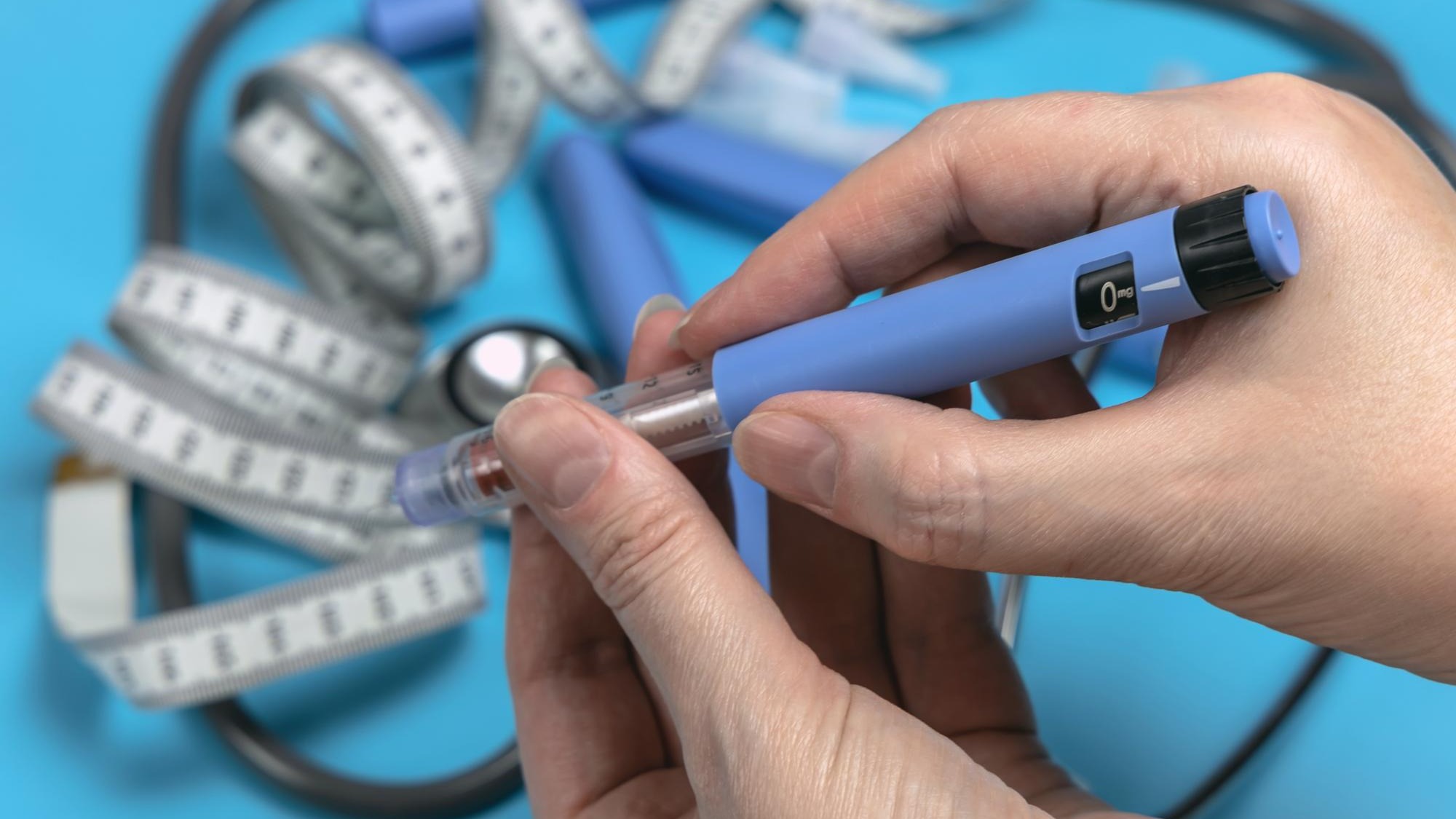
The most talked-about entry is semaglutide. CMS put the negotiated price for a month of Ozempic at about $274, down from a list price near $959, according to the agency’s selected-drugs pricing detail. That gap illustrates why the diabetes and cardiometabolic category drew so much attention: these are drugs taken indefinitely by millions of older adults, so a lower negotiated ceiling compounds month after month. The negotiated price applies to the drug’s Medicare-covered uses, and manufacturers are required to make the maximum fair price available to pharmacies dispensing to Part D enrollees.
Why a lower list price does not always mean a smaller copay
Here is the catch worth understanding. The negotiated maximum fair price sets what Medicare and plans pay, but an enrollee’s own cost is governed by plan structure, and Part D redesign has already changed that math. In 2026, out-of-pocket spending on covered Part D drugs is capped at $2,100 for the year, after which a beneficiary pays nothing more for covered prescriptions. For someone hitting that ceiling on expensive medications, the annual out-of-pocket total may look similar with or without the negotiated price, because the cap is already doing the heavy lifting. The negotiated ceilings matter more for enrollees below the cap and for the program’s overall spending, which flows back into future premiums.
Who is most likely to feel a smaller bill
The benefit is not evenly distributed. An enrollee whose spending stays well under the annual cap, and who takes one of the 15 drugs, is the most likely to notice a lower share of cost once the negotiated price flows through the plan’s math. People who reach the out-of-pocket ceiling on high-cost regimens may see less change in their yearly total, because the cap already limits what they pay, though the lower prices still reduce what Medicare and taxpayers spend on their behalf. There is also a timing wrinkle: the negotiated prices take effect January 1, 2027, so the plans and formularies chosen during the fall 2026 enrollment season are the ones that will carry them.
What retirees should watch before and during enrollment
The practical step is to read the plan documents rather than assume the headline savings apply automatically. Formularies, tiers, and coinsurance still vary from plan to plan, and a negotiated drug can sit at different cost-sharing levels depending on the plan chosen during the fall enrollment window. Comparing plans on the specific medications a person actually takes remains the surest way to translate the 2027 negotiated prices into a lower bill. It is also worth confirming that a preferred pharmacy stocks the drug at the negotiated price and checking whether a plan’s deductible applies before the lower cost kicks in. The broader takeaway is that Medicare now sets prices on a growing roster of blockbuster drugs, and the list expands again with a third cycle already underway for later years.
This article was produced with the assistance of artificial intelligence and reviewed by The Financial Wire editorial team.
More Financial Reading
- Adding someone to your bank account: tax traps and smart moves
- What really happens to your joint savings account when you die?