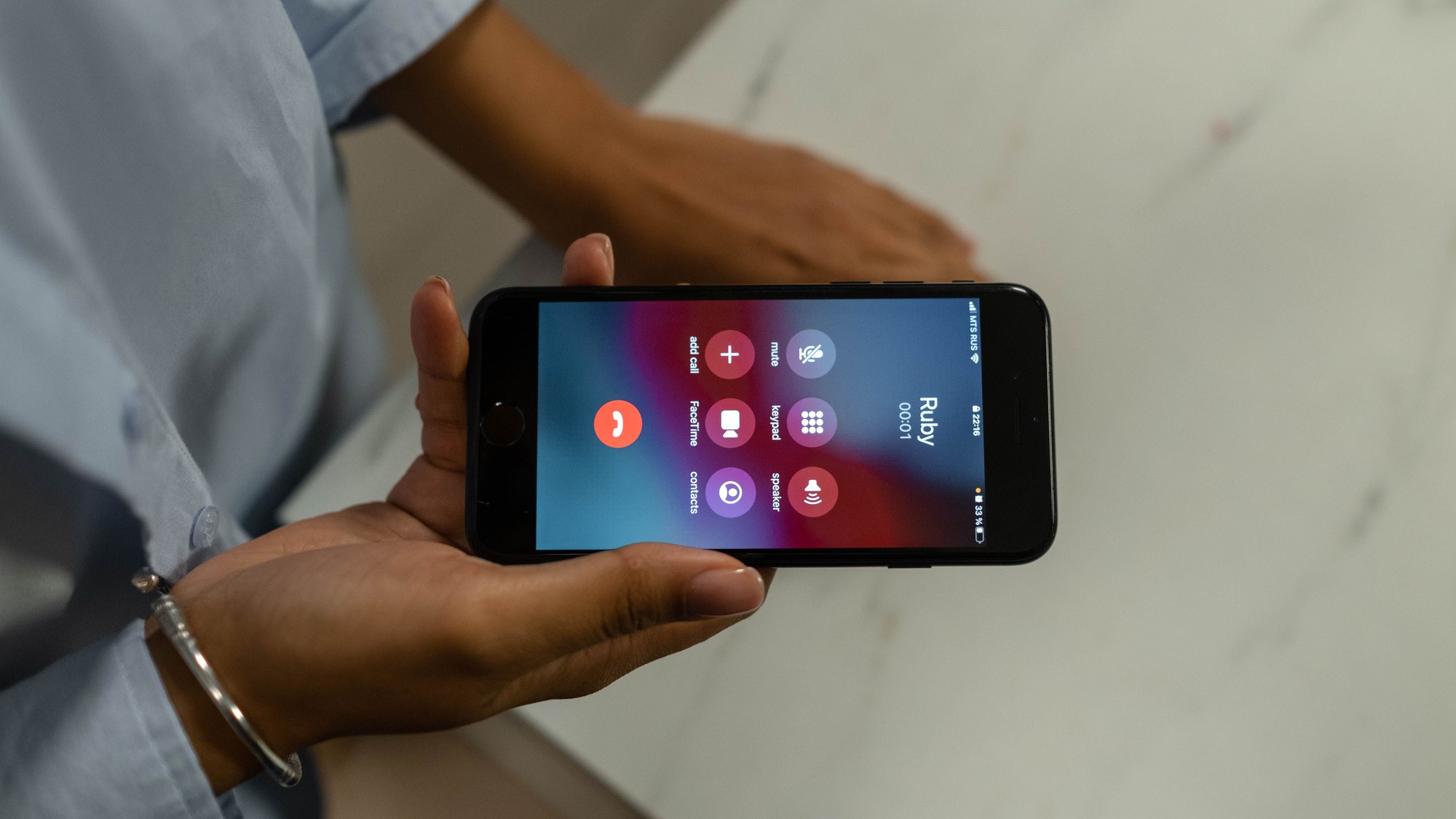
Michigan regulators are warning that Medicare scammers are using spoofed caller ID and mailers that look like government notices to target seniors before open enrollment closes Dec. 7. The Michigan Department of Insurance and Financial Services and the Michigan Department of Health and Human Services issued the warning Oct. 12, three days before enrollment opened. Medicare’s yearly window runs Oct. 15 through Dec. 7.
Anyone on Medicare, and the family members who help sort the mail and answer the phone, is the target. DIFS Director Anita Fox said open enrollment “opens the door for bad actors who may try to steal personal information or money.” The calls and letters are timed for the weeks when people are expected to be shopping for a plan, so a request that sounds routine in November can be a trap.
Retirement deadlines, in your inbox: Miss an enrollment or claim deadline and the money can be gone. Join the Retirement Money Brief and we’ll send you our 2026 Government Check Reality Tracker as a welcome gift.
Get the Brief + the check tracker →
We may earn a commission from links on this page.
How does a spoofed call get through?
The state’s Oct. 12 release says scammers can use technology to make a call look as if it comes from a recognized business or government agency. Callers may claim to be from Medicare, even though the Centers for Medicare & Medicaid Services does not call or visit homes to ask for personal information.
The advice is blunt. Do not rely on caller ID. Hang up and call 1-800-MEDICARE, which is 800-633-4227, to check whether the request is real. The department says a Medicare ID number is needed only when enrolling in a plan, and people can research plans without giving it out, so an unsolicited caller asking for it should get nothing.
What makes a mailer look official?
The release warns people to “beware of mailings appearing to be government communications.” Those pieces come from private companies, the state says, with disclaimers buried in small print. They are marketing, not a notice from Medicare or the Social Security Administration, and the envelope design is part of the pitch.
Insurance agents and brokers face a limit of their own. They cannot claim to be from Medicare, or say that Medicare or another government agency asked them to make contact. WDIV in Detroit also reported that the warning covers high-pressure sales tactics, and that DIFS wants residents who ran into a Medicare scam or a hard sell to file a complaint.
Is there a deadline to join a drug plan?
One threat the state singles out is the claim that people will lose Medicare coverage unless they join a prescription drug plan. The release answers it directly: “The prescription drug plan is completely voluntary.” WDIV carried the same line, that Medicare Part D drug coverage is voluntary, so a caller who insists on enrolling today is not describing how the program works.
The real dates are on Medicare.gov. During open enrollment, people can join, drop or switch Medicare Advantage plans, with or without drug coverage, and the plan must get the request by Dec. 7 for coverage to start Jan. 1. People already in a Medicare Advantage plan get a second window from Jan. 1 through March 31.
Who can Michigan residents call for help?
MDHHS Acting Director Amy Epkey said that through MI Options, “certified counselors are available to provide free counseling.” The program’s number is 800-803-7174. The Michigan Senior Medicare Patrol takes calls at 844-677-6424, and the Attorney General’s Consumer Protection Team is at 517-335-7599.
DIFS takes complaints at 877-999-6442, Monday through Friday, 8 a.m. to 5 p.m., or at Michigan.gov/DIFSComplaints. The release also reviews what changed on Jan. 1: higher Medicare Part B and base Part D premiums, the first negotiated prices on several high-cost drugs, and a Medicare Prescription Payment Plan that now renews automatically each year unless the enrollee opts out.
Ready for the next call from “Medicare” before Dec. 7?
Every scam in Michigan’s warning is built to pull out a Medicare ID number, personal details or money before the Dec. 7 deadline forces a decision. A caller who gets a bank login or a Social Security number from one rushed conversation can use it long after open enrollment ends.
Scam-Proof Your Accounts in a Weekend is a 13-page guide to ten moves that lock accounts before a scammer reaches them, including how to freeze your credit at all three bureaus, free by federal law, and how to lock your bank logins with two-step login, alerts and a verbal password. It also shows how to register your own Social Security, Medicare and IRS online accounts before a thief does.
Get the weekend guide to lock your bank logins and freeze your credit before a Medicare scam call →
This article was produced with AI assistance and edited for accuracy against the sources linked above.