Minimum wages are rising in 19 states as 2026 begins, giving millions of hourly workers a pay increase at a time when household budgets remain under pressure from rent, food and transportation costs. Among states, Washington will lead the pack at $17.13 an hour, followed closely by Connecticut at $16.94 and California at $16.90. The changes underscore how far state wage policy has drifted from the federal baseline. The federal minimum wage is still $7.25 an hour, where it has been since 2009. In practice, that means workers’ pay now depends heavily on where they live, with inflation-linked systems in several states producing automatic increases even when Congress does nothing.
Washington moves to $17.13 under an automatic inflation formula
Washington’s new minimum wage did not come out of a last-minute political fight. The state’s Department of Labor & Industries announced in September that the rate would rise to $17.13 an hour on Jan. 1, 2026, up from $16.66 in 2025. The increase is tied to inflation through a formula built into state law, which requires officials to recalculate the wage each year using the Consumer Price Index for Urban Wage Earners and Clerical Workers. That system gives employers advance notice and gives workers a measure of predictability. It also helps explain why Washington has remained near the top of the national wage ladder for years. The state’s minimum wage guidance shows that workers ages 14 and 15 may be paid 85% of the adult rate, or $14.56 an hour in 2026. Washington also links parts of its overtime-exemption rules to the minimum wage, meaning the increase has effects beyond entry-level hourly jobs. That broader reach matters. Minimum wage changes are often framed as a restaurant or retail story, but in Washington they also affect salary thresholds and compliance decisions for employers trying to classify workers properly. A state that adjusts its wage floor automatically is not just changing the base hourly rate. It is updating a wider pay framework that can reshape hiring and payroll decisions across industries.
| Highest statewide minimum wages effective Jan. 1, 2026 | Hourly rate |
|---|---|
| Washington | $17.13 |
| Connecticut | $16.94 |
| California | $16.90 |
| New Jersey | $15.92 |
| Colorado | $15.16 |
State indexing keeps widening the gap with the federal floor
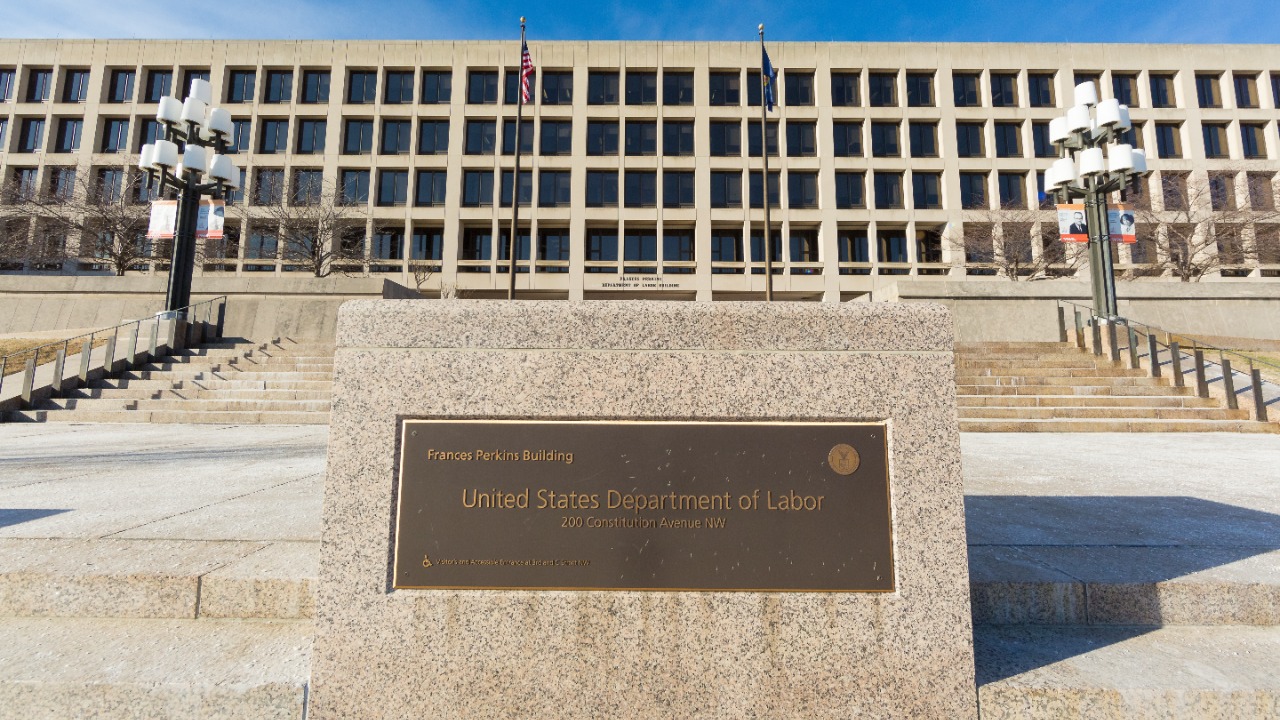
The contrast with federal law is stark. The U.S. Department of Labor’s state minimum wage overview and 2026 consolidated table show just how fragmented the map has become. In some states, the legal minimum now sits above $15 an hour. In others, workers are still effectively bound to the federal $7.25 floor. That divide is one reason minimum wage stories draw so much attention at the start of each year. A full-time worker at $7.25 an hour earns about $15,080 a year before taxes. At Washington’s new statewide rate of $17.13, that same full-time schedule works out to roughly $35,630 before taxes. The difference is large enough to affect everything from job mobility to employer competition in border regions. Of course, the comparison has limits. A higher nominal wage does not automatically translate into easier living when housing and other essentials cost far more in high-wage states. Still, indexing has one clear advantage over political stalemate: it prevents wage floors from freezing for years at a time while prices keep moving up.
California remains close behind, and other states keep crossing the $15 line
California will begin 2026 with a statewide minimum wage of $16.90 an hour, according to the Labor Commissioner’s Office, with the rate also reflected in the state’s minimum wage guidance. That places California just 23 cents behind Washington’s statewide rate, although some California workers are covered by higher local or sector-specific minimums. Other states are also moving into territory that would have seemed unusually high a decade ago. The Economic Policy Institute said in a December analysis that 19 states would raise their wage floors on Jan. 1, 2026, benefiting more than 8.3 million workers. Several of those states, including Arizona, Colorado, Hawaii, Maine, Missouri and Nebraska, are now at or above $15 an hour. That matters because it shows the story is no longer confined to the West Coast or the Northeast. The list of states adopting higher wage floors has widened, even if the increases vary in size and even if the legal structure behind them differs from state to state.
What the January changes mean for workers and employers
For workers, even modest annual increases can make a measurable difference over time. Washington’s jump from $16.66 to $17.13 adds 47 cents an hour, or nearly $980 over a full-time year before taxes. That will not erase the strain of higher rent, child care or groceries, but it can keep households from losing ground when inflation is still reshaping monthly budgets. For employers, Jan. 1 brings less debate than paperwork. Payroll systems need updating. Hiring ads need new wage ranges. Multistate companies have to track different minimums, different tipped-wage rules and, in some cases, different local ordinances layered on top of state law. Some businesses choose to standardize pay above the legal minimum just to simplify administration and reduce turnover. There is also a bigger policy point beneath the annual updates. State wage hikes now carry more practical weight because federal action has been absent for so long. Washington’s new rate, California’s near-match and the 2026 increases across 17 other states show that the real battleground over low-wage pay has shifted decisively to the states. For workers hoping their pay keeps pace with prices, where they live matters more than ever.