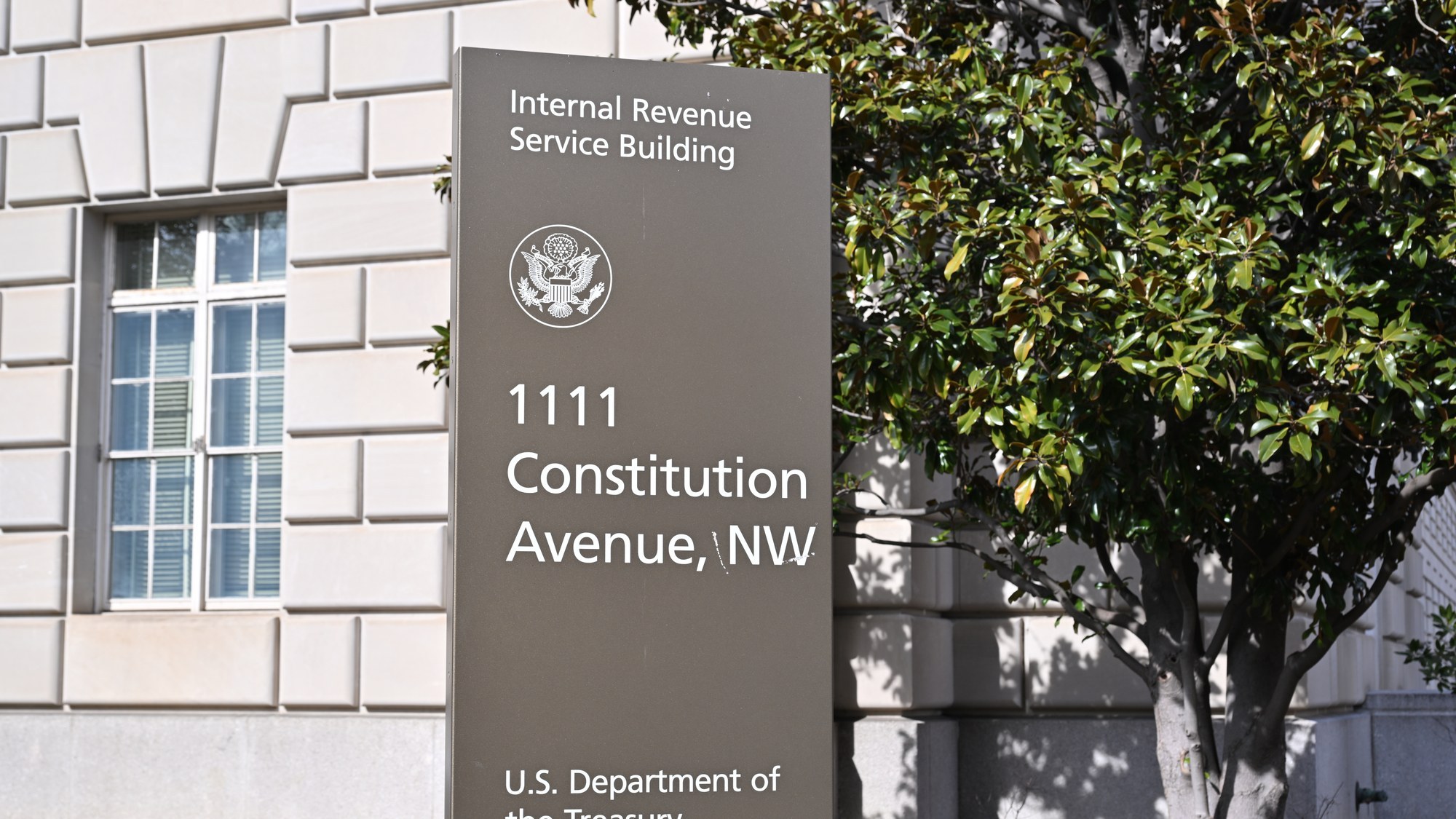
The Internal Revenue Service collected $6.5 billion in revenue from audits in fiscal 2025, down about 35 percent from roughly $10 billion the year before, according to a new report from the Treasury Inspector General for Tax Administration. The drop came as the agency lost thousands of the examiners and revenue officers who work those cases, and it landed in the same year the IRS otherwise took in more total tax revenue than in any year on record. For readers who assume the IRS mainly touches retirees through Social Security withholding or Medicare premiums, the audit-revenue figure is a reminder that a large share of the agency’s enforcement muscle is aimed elsewhere, and that muscle has weakened considerably in the span of a single fiscal year.
From $10 Billion to $6.5 Billion in a Single Year
TIGTA’s report, Trends in Compliance Activities Through Fiscal Year 2025, found that examination revenue, meaning money actually collected as a direct result of an audit rather than routine filing or withholding, fell to $6.5 billion in the fiscal year that ended September 30, 2025. That is down from close to $10 billion in fiscal 2024, a decline of about 35 percent in one year. The report frames the drop as one piece of a larger enforcement slowdown rather than an isolated data point, tying it directly to the staffing reductions that hit the IRS’s examination and collection functions starting in 2025. Because audit revenue is booked only once a case closes and a payment is actually received, the $6.5 billion figure reflects examinations that finished during fiscal 2025, not the full universe of audits that were open at any point during the year, some of which will still produce revenue in later years once they are resolved.
Enforcement Revenue Overall Also Slipped
The audit-specific decline is part of a broader dip in what TIGTA calls total enforcement revenue, which combines examination results with collection activity such as liens, levies and payment agreements. That combined figure reached a historic $98.7 billion in fiscal 2024 before falling to $93.8 billion in fiscal 2025, a decrease TIGTA attributed mainly to the 35 percent drop in examination revenue rather than to weaker collections. Collection revenue actually rose over the same two-year window, largely because the IRS resumed sending automated notices to taxpayers who already owed money, a process that had been paused intermittently since the pandemic. That distinction matters: the enforcement dollars still coming in increasingly reflect debts the IRS already knew about, not new findings from opening and completing fresh audits. Examination revenue and collection revenue draw on different parts of the agency’s workforce, so a rebound in one does not automatically signal a rebound in the other, and TIGTA’s report treats them as separate trend lines for that reason rather than folding them into a single enforcement number.
Free retirement updates: Want plain-English help keeping more of your money in retirement? The free Retirement Shield newsletter covers the benefits, deadlines, and money mistakes that cost retirees, a couple times a week. Subscribe free.
Why Fewer Auditors Means Less Collected, Eventually
The revenue decline followed a staffing collapse that TIGTA documented in detail. The IRS’s examination and collection workforce grew to 27,217 employees by the end of fiscal 2024 on the strength of Inflation Reduction Act hiring, then fell to 19,612 by the end of fiscal 2025 and to 17,517 as of January 10, 2026, a loss of almost 10,000 positions from the peak. The agency’s Global High Wealth program, which handles complex returns from the wealthiest filers, had 27 percent fewer staff as of January 2026 than before the reductions began. Because audits of complicated returns can take a year or more to complete and collect on, some of the fiscal 2025 revenue decline reflects work left unfinished rather than money that will never be collected, though TIGTA’s own language warns the fuller impact of the staffing losses is “likely to become more apparent over time.” The agency also reported a 17 percent increase in large corporate audit starts in fiscal 2025 alongside a roughly 30 percent drop in new business-partnership audits, evidence that the shrinking examination staff was redirected across categories of returns rather than pulled back evenly, which helps explain why the $6.5 billion figure is not simply proportional to the size of the workforce cuts.
A Record Year for Total Tax Receipts
The audit-revenue drop did not prevent the federal government from collecting more money overall. Total tax revenue paid to the IRS reached $5.3 trillion in fiscal 2025, a 13.2 percent increase from fiscal 2023, driven mainly by growth in individual income tax withholding and estimated payments rather than by enforcement. IRS leadership has pointed to technology as a partial offset for the smaller workforce; in April testimony to the Senate Finance Committee, Chief Executive Officer Frank Bisignano told lawmakers the agency’s “advanced data and analytic strategies allow us to catch instances of tax evasion that would have been undetectable just a few years ago.” Whether that approach can eventually restore audit revenue closer to its fiscal 2024 level, or whether the $6.5 billion figure represents a new normal for a smaller examination function, is the question TIGTA’s next annual review is positioned to answer. The report itself takes no position on which outcome is more likely, noting only that the scale of the staffing reductions is large enough that its full effect on collections has not yet worked its way through the system.
The Help That Needs an Application
Separately, federal audit revenue has no bearing on whether an older household is collecting the state benefits it already qualifies for. SNAP food benefits for people 60 and older, circuit-breaker property-tax credits, and Medicare Savings Programs all exist in most states, but every one of them requires its own paperwork rather than arriving automatically.
The Benefits Checklist lists 2026 income limits for each of the eleven programs it covers, alongside a 50-state phone directory for finding the office that handles each one.
Check the current income limits for these programs in The Benefits Checklist.
This article was researched and drafted with the assistance of AI tools, using enforcement data published by the Treasury Inspector General for Tax Administration, and was reviewed for accuracy before publication.