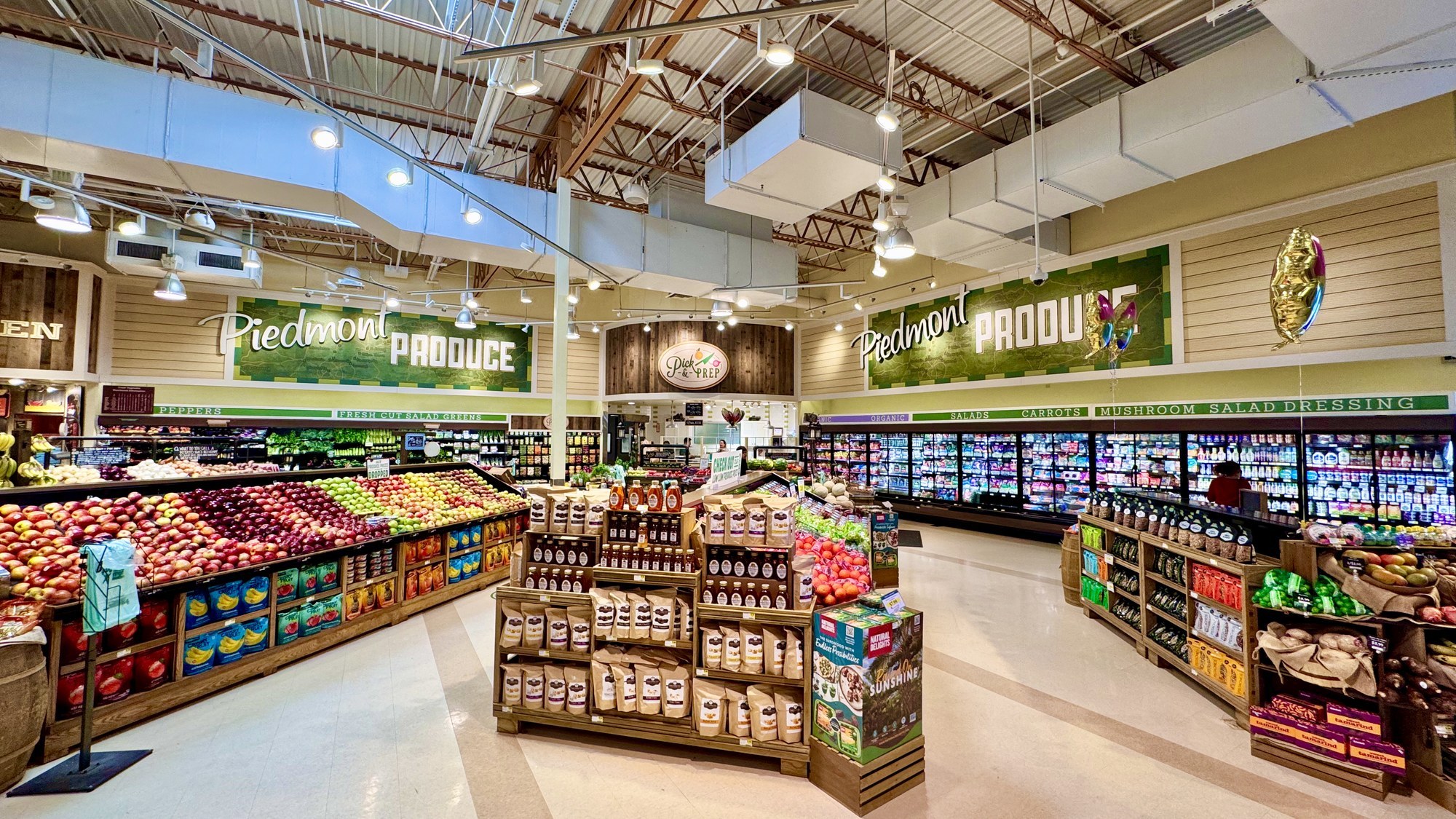
The steady drumbeat of store-closing announcements has become one of the defining features of the 2026 retail year. Department stores, drugstores, grocers, and restaurant chains are all trimming their store counts, and the cuts keep landing in the same neighborhood shopping centers and main-street strips that older shoppers have relied on for years. Each shuttered anchor tends to pull foot traffic away from the smaller shops beside it, so a single closing can hollow out a whole plaza rather than leave one dark window.
The scale of the 2026 pullback
The numbers behind the trend are large enough to reshape the map of American retail. Industry trackers have the United States on pace for as many as 8,228 store closings in 2026, a total that would come down slightly from the 9,197 recorded in 2025 while still ranking among the heaviest years on record. More than 1,200 of those 2026 closings had already been publicly announced by early in the year, a running tally that has kept climbing since.
The list of names cuts across nearly every category a retiree shops. Macy’s has said it will close up to 150 stores by the end of 2026 as part of a multiyear downsizing, and a running roundup of the deepest cuts puts convenience and specialty chains such as 7-Eleven and GameStop near the top. Kroger has flagged roughly 60 supermarket closings through 2026, and Wendy’s has moved to close about 300 underperforming restaurants, many of them in the first half of the year.
Free retirement updates: Want plain-English help keeping more money in retirement? The free Retirement Shield newsletter covers the benefits, deadlines, and money mistakes that cost retirees, a couple times a week. Subscribe free.
Why an emptying strip mall lands harder on older shoppers
A closing is rarely just the loss of one storefront for the people who live nearby. When a department store or supermarket that anchors a center goes dark, the smaller tenants around it lose the traffic that kept them viable, and the pharmacy, hardware shop, or diner in the same lot can follow within a season. For retirees who have organized errands around one familiar cluster of stores, the convenience of doing several tasks in a single stop disappears.
Older shoppers also tend to weigh distance and mobility more heavily than younger ones. Those who no longer drive long distances, rely on a ride, or live in a town with thin public transit feel the gap immediately when the closest option is boarded up. A trip that used to be a short outing can turn into a half-day expedition to the next town, and the social routine of running into neighbors at a regular store fades along with the storefront.
The dollars behind a boarded-up storefront
The cost of the retreat is not only sentimental. Fewer nearby stores can mean less price competition in a given area, which tends to leave the remaining shops with more room to hold prices firm on groceries and household basics. Shopping farther afield adds fuel or fares to the bill, and the shift toward online ordering that some closings push can carry delivery fees or minimum-order thresholds that a fixed-income household did not face before.
Vacancies also ripple into the value of the surrounding community. A shopping center that loses its anchor can slide into disrepair, and empty commercial space can weigh on nearby property and the local tax base that funds services many retirees use. What starts as a corporate decision on a spreadsheet often ends as a visible change in the character of a neighborhood.
Adjusting when a familiar store disappears
The wave of closings is uneven, and a little planning can soften the blow for households built around a particular strip. Checking a chain’s closing list before it takes effect gives shoppers time to line up a replacement, whether that means a different grocer, a warehouse club, or a nearby independent that survived the shakeout. Consolidating errands into fewer trips, splitting a bulk order with a neighbor, and comparing delivery minimums can hold down the added cost of a longer drive.
The broader signal from the year’s list of shuttered retailers is that the physical shopping map is still contracting, and the pace has not clearly slowed. For older residents who have leaned on the same handful of stores for decades, the practical response is to notice which anchors in a familiar center are wobbling and to have a backup in mind before the lights go out for good.
This article was produced with AI assistance and reviewed by The Financial Wire editorial team.
More Financial Reading
- Adding someone to your bank account: tax traps and smart moves
- Bank statements: how long to keep them and when to toss them