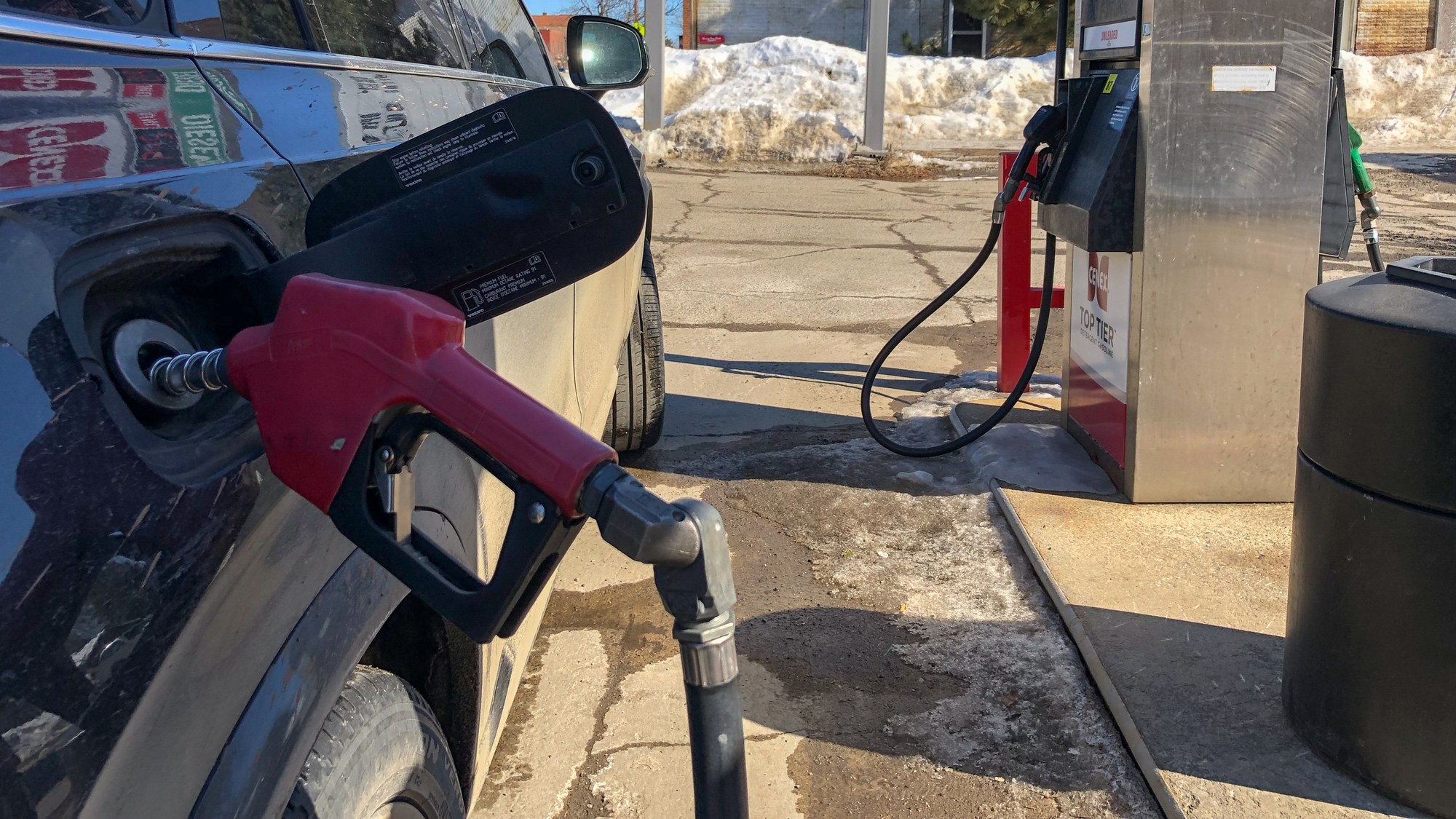
Ohio’s 38.5-cent gas tax holiday runs through January 2, and Georgia’s 33.3-cent suspension runs through November 5, while North Carolina lawmakers voted Wednesday to pause that state’s 41-cent tax. The three states are cutting the tax at the pump on different timetables and for different lengths of time. Ohio’s cut is written into a new state law, Georgia’s comes from an emergency order that the governor has already extended once, and North Carolina’s bill is waiting on the governor’s desk.
For drivers, the question is how long each cut lasts and how many cents it takes off a gallon in their state. In Ohio the tax on gasoline drops from 38.5 cents a gallon to a hundredth of a cent through the first weekend of January, in Georgia the 33.3 cents is off through early November, and in North Carolina nothing changes at the pump until the bill becomes law. Anyone budgeting around the cuts should note that every one of them has an end date, and the household costs that sit behind high fuel prices do not end on the same day.
The pump savings stop on January 2 in Ohio and November 5 in Georgia, while household bills keep arriving. The Benefits Checklist scans 11 benefit programs retirees often miss, including heating help and SNAP at 60+, with the 2026 income limits and a 50-state phone directory.
Scan 11 benefit programs and the 2026 income limits with The Benefits Checklist →
Ohio’s holiday: January 2, with the state’s reserves covering roads
The Ohio Department of Taxation says the holiday began at 12:01 a.m. on October 4 and ends at 11:59 p.m. on January 2, 2027. The state’s motor fuel tax falls from 38.5 cents a gallon on gasoline and 47 cents on diesel to $0.0001 a gallon. Gov. Mike DeWine signed the emergency legislation, House Bill 519, on October 1, and a $725 million transfer from state reserve funds covers the lost revenue so road and infrastructure maintenance can stay on schedule.
Fuel retailers are required to pass the full tax savings to customers at the pump, and the department says a retailer that does not may face a referral to the Ohio Attorney General’s Office as an unfair or deceptive practice. Tax Commissioner Patricia Harris urged retailers “to adjust their collection systems beginning at midnight on October 4th.”
The federal Energy Information Administration’s weekly survey for the week of October 5 put Cleveland regular gasoline at $3.859 a gallon, down 46.7 cents from the week before, against a national average of $4.354, which was down 11.1 cents.
Georgia’s suspension: extended from October 29 to November 5
Gov. Brian Kemp’s September 28 order declared a state of emergency over global market volatility and suspended the state motor fuel tax, which the governor’s office said stood at 33.3 cents a gallon for gasoline and 37.3 cents for diesel. The suspension took effect at 12:01 a.m. on September 29 and was set to run through October 29. At the time, regular gasoline in Georgia averaged $4.19 a gallon and diesel $6.24.
On October 6 the governor’s office announced that Kemp had extended the original state of emergency and its suspension, which will now run through November 5. The same order waives state penalties for using dyed off-road diesel on roads for the length of the emergency. The release says AAA data show regular gasoline in Georgia down about 33 cents a gallon and diesel down more than 42 cents in the week after the suspension began, leaving Georgia’s average 51 cents below the national figure. “With our farmers and truckers under heavy pressure, we’re leaving no stone unturned when it comes to giving them relief,” Kemp said.
North Carolina: both chambers voted, the governor has 10 days
North Carolina’s House Bill 3, titled “Relief at the Pump,” moved through the General Assembly’s extra session on Wednesday. The state Senate approved it on second reading 41 to 0 at 3:34 p.m., and the House had passed it 111 to 1 earlier in the day. WRAL reported that the bill now goes to Democratic Gov. Josh Stein, who has 10 days to sign it, veto it or let it become law without his signature.
As filed, the bill text sets the tax at zero cents a gallon from the day after it becomes law through November 30, 2026. North Carolina’s regular rate this year is 41.0 cents a gallon, according to the state Department of Revenue. The bill’s vote was a reversal for Senate leader Phil Berger, a Republican, who said in May that a gas tax pause was “more of a feel-good kind of thing than something that actually would make a whole lot of difference.” On Wednesday he said the pressure on citizens “is much greater now than it was then.”
Lining up costs before the gas tax cuts end
Each cut carries its own date, and the dates differ by weeks: November 5 in Georgia, a November 30 end date in the North Carolina bill as filed, and January 2 in Ohio. North Carolina drivers will see no change at the pump until the governor acts or the 10-day window runs out. The legislature’s bill page for House Bill 3 shows each step, though its history lagged behind Wednesday’s floor action.
Fuel is only one line in a household budget. Programs that help with heating bills, groceries, property taxes and prescription costs generally have to be applied for, and each has its own income limit and its own agency. A gas tax holiday reaches every driver at the pump without an application, which is the difference between it and those programs, and why the end date matters for planning.
The Ohio Department of Taxation’s notice remains the plainest statement of what a holiday covers: the dates, the rates, the retailer pass-through rule and the offsetting transfer from reserves.
Ohio’s pump discount ends January 2; household bills continue
Ohio’s holiday ends at 11:59 p.m. on January 2 and Georgia’s suspension is set to end November 5, and the savings of 38.5 cents and 33.3 cents a gallon go with them. The Benefits Checklist is an 84-page guide to 11 benefit programs, with the 2026 income limits and a 50-state phone directory, aimed at the costs a pump discount does not touch. A printable tracker comes with the download for keeping each application’s status in one place.
Get the 84-page Benefits Checklist with a 50-state phone directory →
This article was produced with AI assistance and reviewed by The Financial Wire’s editorial team.