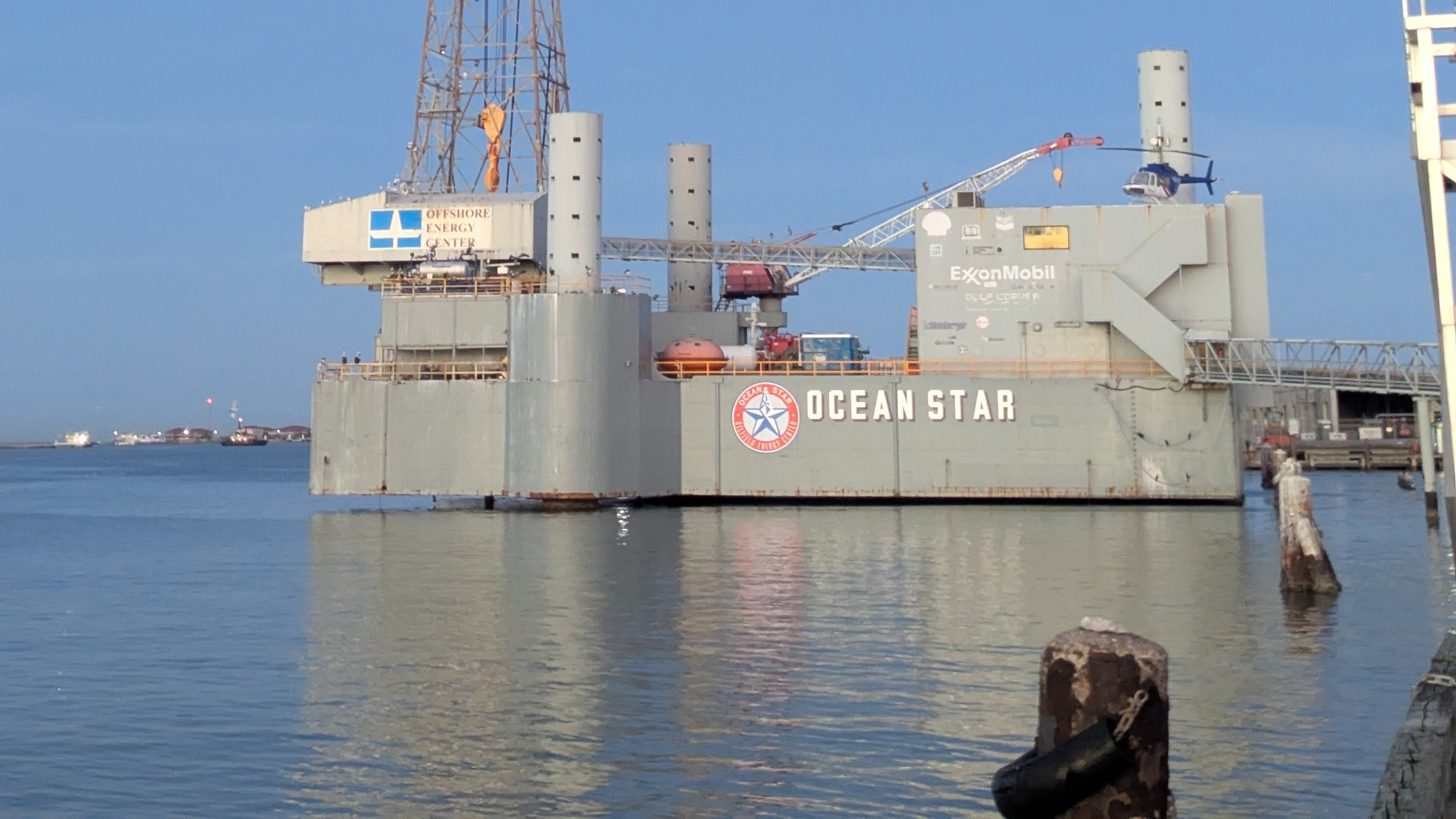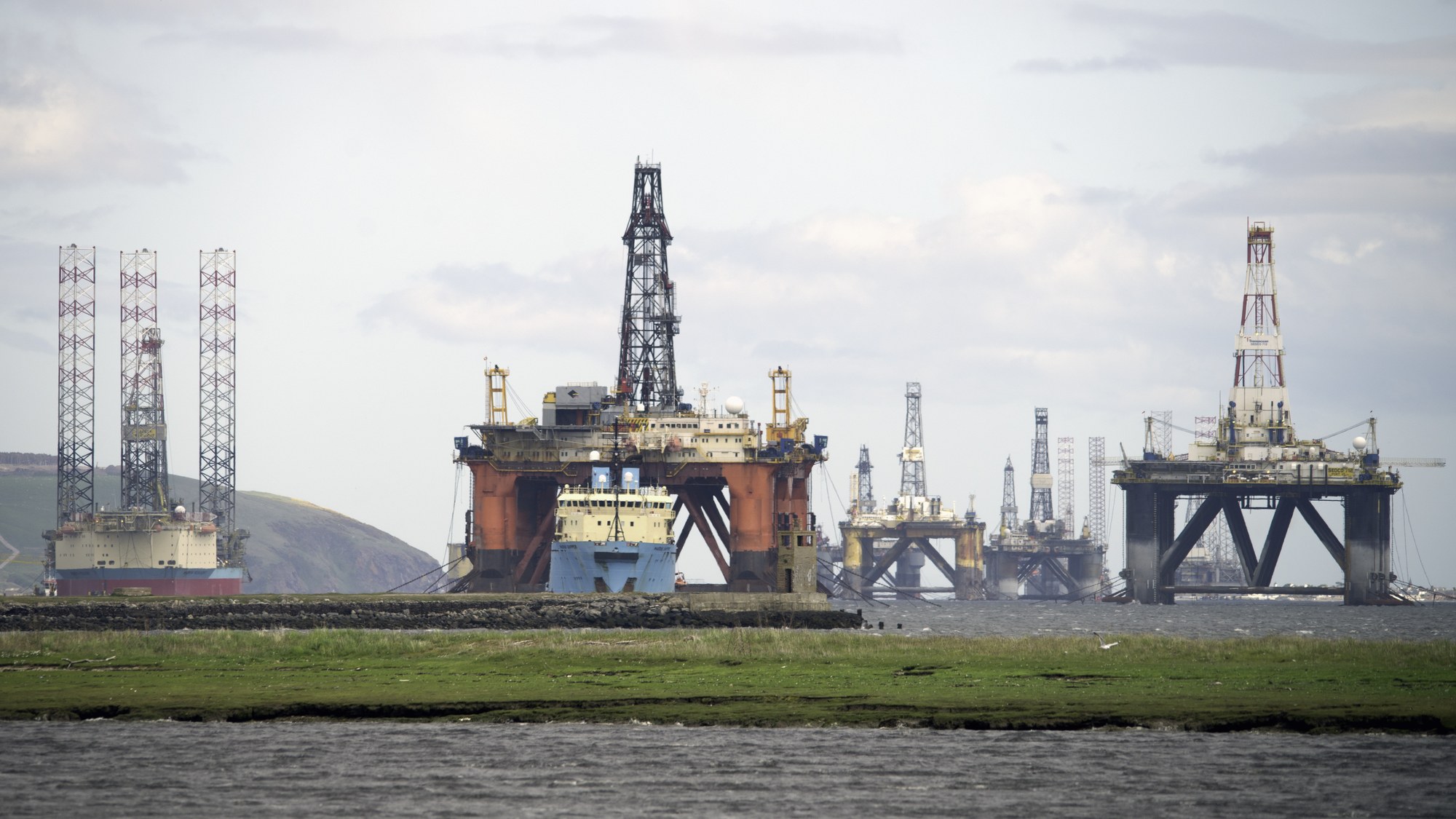
Crews had left 121 of the 371 manned production platforms in the Gulf by Thursday, or 32.61% of the fleet, as Isaias turned toward the northern Gulf Coast. That leaves 250 manned platforms still staffed when the federal count was taken, with the storm forecast to come ashore late Friday or early Saturday.
The tally is in an Oct. 8 update from the Marine Minerals Administration, the federal offshore regulator, built from reports by 12 companies as of 11 a.m. CDT. The agency says it will issue a new count every day at 1 p.m. CDT. Its release uses the name Gulf of America for the waters off the southern coast.
An evacuation count is the earliest hard sign of how seriously the industry rates a storm, and it is the number that tends to fall first when conditions improve. For anyone who owns energy stocks through an IRA or 401(k), or who simply buys gasoline, the daily headcount is a plainer gauge of the disruption ahead than the production figures that follow it. It says how many people are in harm’s way and how many facilities may need inspection before they restart.
The 121-platform count is the number to watch, because the offshore regulator re-issues it every day at 1 p.m. CDT.
Get each new number in one short weekday email →
Platforms, rigs and why the agency counts them apart
The release sorts offshore facilities into three groups, and each has its own tally. Production platforms, which stay in place for the life of a project, are the 371 manned structures behind the headline: personnel were evacuated from 121 of them. Drilling rigs move, so they are counted differently.
Of the 11 non-dynamically positioned rigs operating in the Gulf, 5 had been evacuated, or 45.45%, which the agency’s summary table rounds to 45.5%. Of 17 dynamically positioned rigs, 4 had moved off location as a precaution, a share the table lists as 23.5%. Personnel stay aboard those four and return to the work site once the storm passes. Taken together, 9 of the 28 rigs in the two categories had either been evacuated or moved.
Why the evacuation share is lower than the shut-in share
Roughly a third of platforms evacuated sits beside a far larger idle share of output. The same release estimates that 62.89% of daily oil production and 57.35% of daily natural gas production were shut in at the 11 a.m. snapshot. The two percentages measure different things: one counts platforms where people have left, the other counts barrels and cubic feet no longer flowing. A platform can stop producing well before its last worker leaves, and the figures show that the Gulf was already mostly idle while two-thirds of its manned platforms were still staffed.
That gap is also the room the next updates have to fill. If the storm’s track holds, the 121 will grow as more platforms near the warning area clear out, and the gap between the staffed share and the idle share will narrow. After landfall the order reverses, with the shut-in share shrinking as production restarts and the evacuation count dropping as crews return.
The storm the crews are leaving
The agency’s release is headed “Tropical Storm Isaias,” but the National Hurricane Center’s Advisory 10, issued at 10 p.m. CDT Thursday, calls it a hurricane with maximum sustained winds of 105 mph. It was about 295 miles north-northeast of Progreso, Mexico, and 260 miles south of the Mississippi River mouth, moving northeast at 14 mph with a turn north expected Friday.
A hurricane warning covers the coast from Ocean Springs, Mississippi, to the Bay/Gulf County line in Florida, and a storm surge warning runs from the mouth of the Mississippi River to the Suwannee River. Forecast surge is 5 to 7 feet from Dauphin Island, Alabama, to Indian Pass, Florida, and 3 to 5 feet from the river mouth to Ocean Springs, if the peak lands at high tide. Rainfall of 4 to 8 inches, with local totals up to 15 inches, is forecast for southern Alabama, the Panhandle, the Big Bend and southwest Georgia.
The Hurricane Center’s next updates were due as an intermediate advisory at 1 a.m. CDT Friday and a full advisory at 4 a.m., which is when the next change in the warning area, and the next wave of platform evacuations, would show up.
Reading the daily headcount
Four numbers from the Oct. 8 release make a simple scorecard to compare against each new 1 p.m. CDT update: 121 of 371 production platforms evacuated, 5 of 11 non-dynamically positioned rigs evacuated, 4 of 17 dynamically positioned rigs moved, and the 62.89% oil and 57.35% gas shut-in shares. A platform count that stops rising while the shut-in shares keep climbing points to a storm that is not forcing more evacuations. A count that starts to drop is the first sign of a restart.
Households and investors can read the figures against the next steps in order. The first is landfall, which the Hurricane Center puts at late Friday or early Saturday. The second is the post-storm inspection period, when the rigs that moved off location return to their sites and crews go back to platforms.
The Marine Minerals Administration’s own figures anchor the count: personnel evacuated from 121 production platforms, 32.61% of 371 manned platforms, on the morning of Oct. 8.
More Financial Reading
- 24 Ways to Stretch a $2,087 Social Security Check
- 17 Places to Find Your Share of the $4.25 Billion States Give Back
- 22 Ways Retirees Can Raise $1,000 Fast Without a Job
This article was produced with AI assistance and reviewed by The Financial Wire’s editorial team.