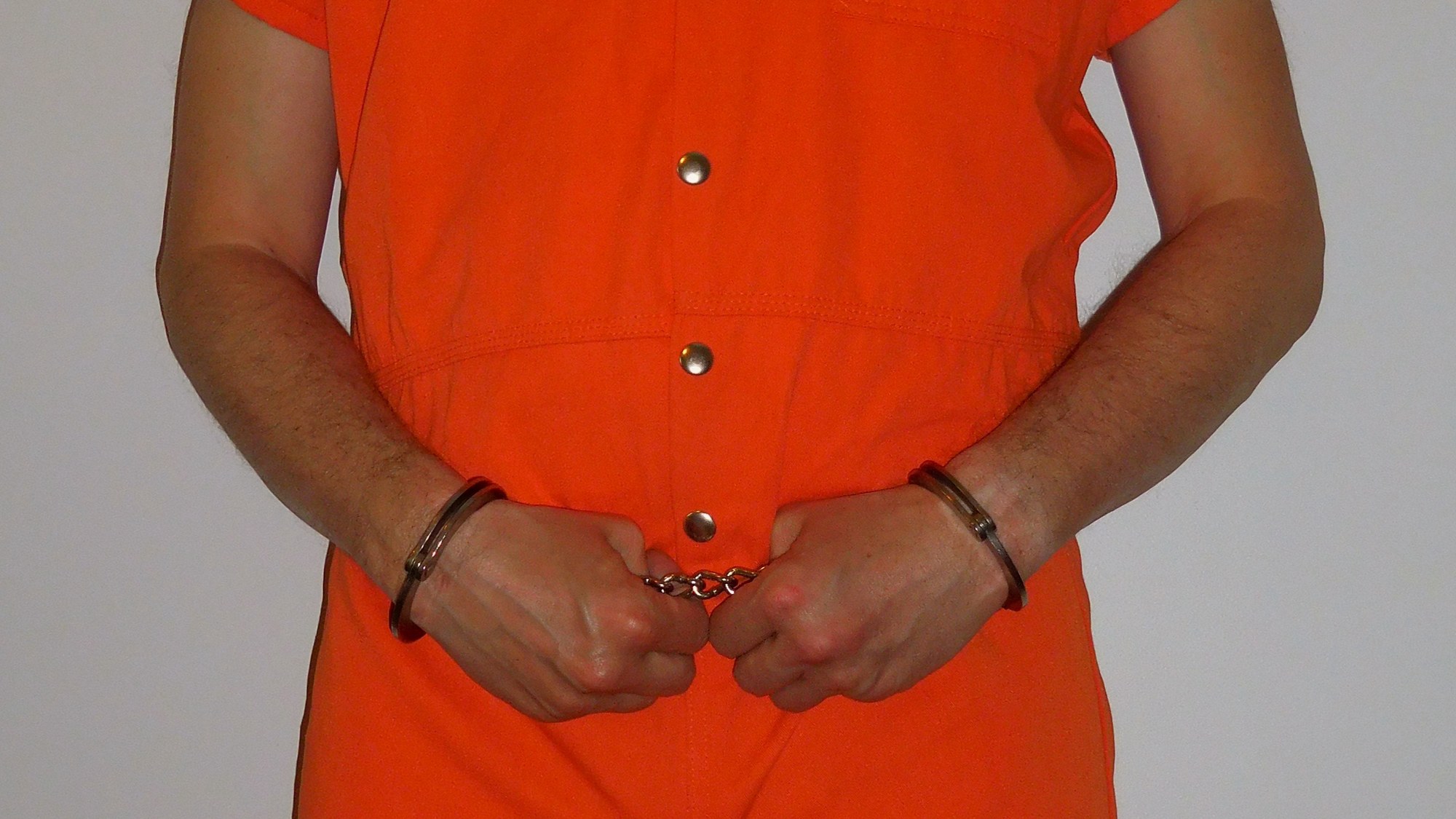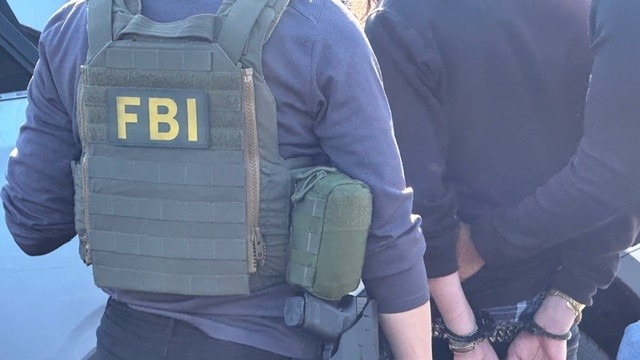
Federal authorities have pulled one of the most-wanted names in American health-care fraud off the run, arresting a fugitive in the Philippines who prosecutors say masterminded a telemedicine operation that billed roughly $1.2 billion to federal health programs. The capture closed a lengthy international manhunt for a defendant who had slipped overseas as investigators tightened around the scheme.
The arrest was announced as part of the government’s 2026 National Health Care Fraud Takedown, the largest coordinated enforcement action of its kind. Investigators described the telemedicine case as one of the costliest single schemes caught in this year’s sweep, and the overseas capture as a signal that leaving the country no longer keeps an accused fraudster beyond the reach of American prosecutors.
A record health-care fraud sweep
The Justice Department said the 2026 takedown charged 455 defendants nationwide in connection with more than $6.5 billion in alleged fraud, spanning dozens of federal districts and every major corner of the health-care system, from prescription drugs to durable medical equipment, according to its national announcement. The Department of Health and Human Services Office of Inspector General, which coordinated the medical side of the investigation, listed the $1.2 billion telemedicine case among its highest-dollar prosecutions in the accompanying enforcement summary.
Telemedicine fraud of this scale tends to follow a well-worn playbook. Call centers and marketing firms solicit Medicare beneficiaries by phone, text or online advertisements, then route them to clinicians who sign off on prescriptions and orders after little or no genuine examination. Those signatures become the raw material for a flood of claims: back braces, knee supports, genetic tests and other equipment billed to Medicare whether or not the patient ever needed or received them.
Because the underlying “visit” is dressed up as legitimate telehealth, the paperwork can pass automated checks long enough for the operators to collect. By the time auditors flag the pattern, the money has often moved through layers of shell companies and, in cases like this one, out of the country. Investigators have grown more adept at reverse-engineering those money trails, but the delay between the first fraudulent bill and the eventual arrest can stretch across years, giving the ringleaders time to spend or hide much of what they collected.
Years on the wanted list
The defendant in the telemedicine case had reportedly become a fixture on the government’s radar well before the arrest, landing among the fugitives that federal agents actively hunt for financial crimes. The FBI maintains a public roster of accused white-collar offenders on its most-wanted pages, a list that has increasingly featured operators of large medical-billing and investment schemes rather than the bank robbers of an earlier era.
Catching a fugitive abroad usually depends on cooperation between American agencies and foreign law enforcement, plus an extradition framework that lets the United States bring a suspect home to face charges. Officials indicated that the Philippines arrest was the product of exactly that kind of coordination, built over months of tracking financial and travel records across borders.
Why older Americans sit at the center
The reason telemedicine schemes keep resurfacing is simple arithmetic: Medicare is the payer, and its beneficiaries — most of them 65 and older — are the entry point. Every fraudulent claim runs through a real person’s Medicare number, which is why so many of these operations begin with unsolicited calls or ads promising free braces, free testing or a quick telehealth consultation.
That structure creates two kinds of victims. The federal program absorbs the direct financial loss, which ultimately falls on taxpayers and the trust fund that supports Medicare. But individual beneficiaries can be harmed as well. A fraudulent claim tied to a person’s Medicare number can complicate future coverage for equipment that is genuinely needed, and the personal information harvested during these calls often circulates to other scammers.
Consumer-protection officials have long urged Medicare recipients to guard their Medicare number as carefully as a Social Security or bank-account number, to be skeptical of any unsolicited offer of “free” medical equipment, and to review Medicare summary notices for services that were never provided. Reporting suspicious billing quickly is one of the few tools that can interrupt a scheme before it scales into the hundreds of millions of dollars.
What the arrest means going forward
An arrest is not a conviction, and the defendant will move through the ordinary criminal process, including the opportunity to contest the charges. But cases at this dollar level carry heavy potential consequences. Health-care fraud convictions can bring lengthy prison terms, orders to repay the stolen funds through restitution, and permanent exclusion from Medicare and other federal programs, which effectively ends a person’s ability to bill the government ever again.
The broader message from investigators is about deterrence. Prosecutors have leaned on the size of the 2026 takedown — hundreds of defendants and billions of dollars — to argue that health-care fraud is being treated as a top-tier financial crime, not a paperwork dispute. The overseas capture reinforces that argument by showing that flight abroad adds time and difficulty to an investigation without guaranteeing escape.
For the millions of households that rely on Medicare, the practical takeaway is steady rather than dramatic. Schemes like this thrive on unsolicited contact and the promise of something free, and they depend on beneficiaries handing over a Medicare number without a second thought. The most reliable defense remains unglamorous: treat cold calls and pop-up offers with suspicion, confirm any medical service with a trusted doctor’s office, and check billing statements line by line. The fugitive in this case is now in custody, but the model that made the scheme possible has not disappeared with a single arrest.
This article was researched and drafted with AI assistance and reviewed before publication.
Free tool for readers: Most people don’t find out they’re off track until it’s too late. You can see where your retirement stands with a free Retirement Safety Score in about five minutes — no sign-up required to see it.