Why PepsiCo Changed Direction
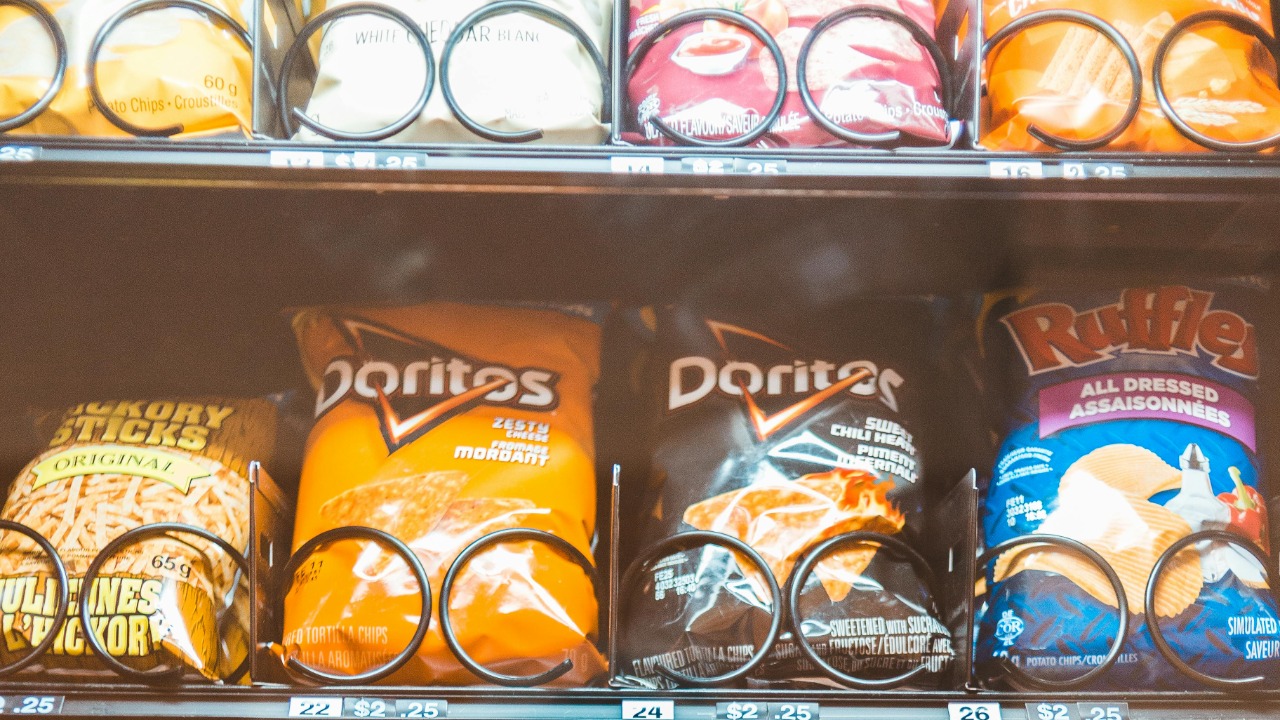
PepsiCo’s decision was not framed as a one-off promotion. It came alongside the company’s fourth-quarter and full-year 2025 results, which showed that volume trends in North America had remained under pressure even as the broader business held up well. In its earnings release, PepsiCo said it planned to offer “sharper value” to address consumer affordability dynamics, a phrase that signaled a more deliberate reset in the snack aisle than the usual temporary discounting around a major event. That shift matters because PepsiCo had spent several years relying on higher prices to protect revenue. That strategy worked for a while. But there is a limit to how far even dominant brands can push before shoppers begin to buy less, buy smaller quantities, or switch altogether. The company’s prepared management remarks made the strategy plain: PepsiCo Foods North America was implementing stronger affordability initiatives to improve competitiveness and increase purchase frequency on mainstream brands. Outside reporting filled in the consumer side of that story. The Associated Press reported that PepsiCo was cutting prices to win back customers frustrated by years of price hikes, while other coverage noted that the company had tested lower pricing in some markets before broadening the move. In other words, this was not a symbolic gesture. PepsiCo appears to have concluded that it had more to gain from bringing shoppers back into the category than from continuing to defend every last penny of margin on each bag.The Shrinkflation Backdrop Shoppers Never Forgot
PepsiCo did not formally describe the decision as a response to “shrinkflation” backlash, but that context is impossible to ignore. Over the past few years, shoppers have become much more attentive not just to sticker prices, but to how much product they are actually getting for the money. Complaints about smaller packages, thinner value and steadily rising grocery bills became a recurring theme across social media, consumer coverage and kitchen-table conversations. That frustration landed in a market where people had more alternatives than ever. According to the Private Label Manufacturers Association, U.S. private-label sales reached a record $282.8 billion in 2025, with store brands growing faster than national brands in both dollars and units. That is the kind of data major packaged food companies cannot dismiss. When shoppers believe a store-brand tortilla chip or puffed cheese snack is close enough, brand loyalty starts to weaken quickly. The grocery backdrop also remained tense even as inflation cooled from its earlier peaks. The USDA’s Food Price Outlook showed that food-at-home prices in January 2026 were still up from a year earlier, with several categories continuing to climb. For many households, that meant snack foods were exactly the kind of purchase under scrutiny. They were easy to skip, easy to trade down, and easy to question when the same bag no longer felt like a good deal.This Is Also a Business Reset
The price cuts do not stand alone. PepsiCo had already laid out a broader plan to improve the performance of its North American food business, and that plan included more than just sharper pricing. In December, the company said it was pushing a targeted everyday-value strategy, investing in major brands and aggressively cutting operating costs. It also disclosed that it had closed three manufacturing plants, shut several lines and was in the process of reducing nearly 20% of U.S. SKUs by early 2026. That is important because it changes how the price cuts should be understood. This is not simply PepsiCo sacrificing profit to make shoppers happy. It is a broader reallocation. The company is simplifying its portfolio, trimming less essential items and using productivity savings to support growth plans on the brands that matter most. That makes the decision look less like a retreat and more like a strategic reset focused on core products with the best chance of driving volume. For shoppers, that may mean lower prices on familiar favorites while some fringe varieties quietly disappear. For investors, it helps explain why PepsiCo felt comfortable pairing its affordability message with an affirmed 2026 outlook. The company is trying to show that it can restore momentum without giving up financial discipline.Why the Super Bowl Timing Matters
Will Consumers Actually Feel Relief?
That depends on what they see in stores. PepsiCo said it was lowering suggested retail prices, but actual shelf prices remain in the hands of retailers. Some chains may pass along the savings fully. Others may use part of the room to manage their own margins. The impact will vary by market, store format and product. Even where the savings are visible, shoppers may still see the new prices through the lens of the past several years. A lower price on a branded chip does not erase all the increases that came before it. And for consumers who already switched habits, winning them back may take more than one good week in the snack aisle. Still, the change is significant because it shows a major packaged-food company acknowledging that value has become central again. PepsiCo is effectively betting that the consumer did not fall out of love with the brands. The company is betting the price simply moved too far ahead of what people considered reasonable.What It Means for the Rest of the Industry

Vince Coyner is a serial entrepreneur with an MBA from Florida State. Business, finance and entrepreneurship have never been far from his mind, from starting a financial education program for middle and high school students twenty years ago to writing about American business titans more recently. Beyond business he writes about politics, culture and history.