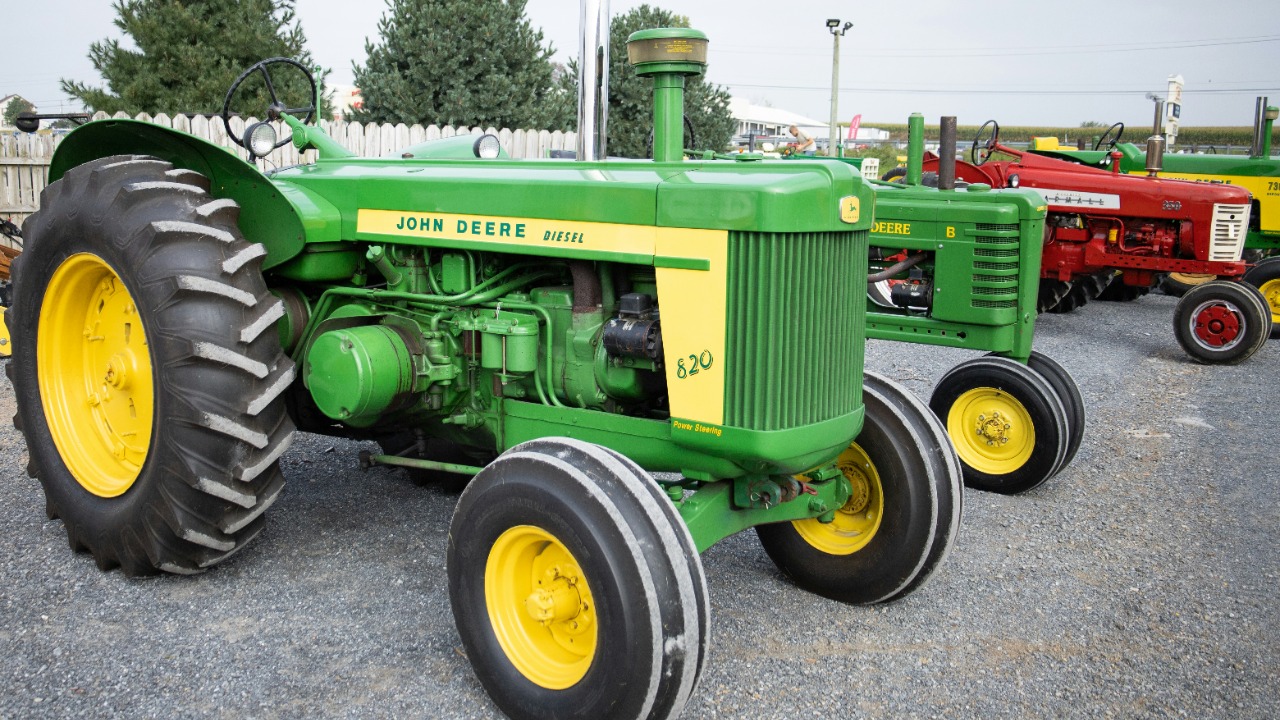
A federal antitrust case over who is allowed to fix a tractor has produced a $99 million settlement fund, and the deadline to claim a share of it falls at the end of this year. The dispute centers on whether John Deere unlawfully required customers to use its own authorized dealers for repair work on large agricultural equipment rather than independent shops or the equipment owners themselves. Money from the fund is not open to everyone who has ever owned a piece of Deere machinery; eligibility runs specifically to people and entities who paid for repair services during a defined eight-year window.
The Antitrust Case Behind John Deere’s $99 Million Settlement Fund
The case, In re Deere & Company Repair Services Antitrust Litigation, is pending as Case No. 3:22-cv-50188 (MDL No. 3030) in the U.S. District Court for the Northern District of Illinois, Western Division. Plaintiffs allege Deere ran an anticompetitive scheme that withheld repair tools tied to the electronic control units on its large agricultural equipment, effectively forcing owners toward Deere-authorized dealers for diagnosis, maintenance and repair work and driving up what they paid. Deere denies any wrongdoing, and the court has not ruled on the merits of either side’s position.
A related settlement runs through federal regulators. On July 8, 2026, the Federal Trade Commission and attorneys general in five states — Illinois, Arizona, Michigan, Minnesota and Wisconsin — reached a separate agreement requiring Deere to give farmers and independent repair providers the same repair resources it gives authorized dealers, for the next ten years, according to the FTC’s announcement. That order provides no direct payment to individual claimants. The court-supervised case described at the settlement’s official website is the only track that pays money, and only to class members who submit a valid claim form by the deadline.
Free retirement updates: Keep more of your Social Security and savings with plain-English updates on the changes, deadlines, and costly mistakes retirees miss. Subscribe free.
The Repair-Purchase Window That Defines the Class
The settlement class is defined narrowly. It covers all persons and entities that purchased repair services for Deere large agricultural equipment from John Deere or its authorized U.S. dealers between January 10, 2018 and May 18, 2026, according to the settlement notice. That distinction matters: the class is built around who paid for repair labor, not who simply owns or once bought a piece of Deere equipment. A retired landowner who bought a combine outside that window but paid a dealer for repair work inside it may qualify. Someone who owns Deere equipment but never paid for a covered repair service does not.
The class reaches beyond full-time commercial operations. Rural and retired landowners, hobby farmers running a few acres of hay or livestock, and estates settling a deceased owner’s affairs after paying for large-equipment repair work in that period fall inside the same definition as full-time growers, provided the underlying purchase was for repair services on qualifying equipment. Filing a claim is the only way any of them collects money; the settlement notice states plainly that doing nothing forfeits any payment while still leaving a class member bound by the case’s outcome.
How the Labor-Hour Formula Sets Each Payment
Payment size is not tied to what a repair bill cost or what equipment was purchased. It is calculated from the total number of labor hours a class member paid for on Deere repair services during the class period, a method the settlement describes as intended to reflect the anticompetitive harm alleged in the case rather than the dollar total on old invoices. The $99 million cash fund accrues interest from January 15, 2026, and will be reduced by court-approved attorney fees and administrative costs before any of it reaches claimants.
Plaintiffs’ expert estimated the settlement’s full value, cash plus injunctive relief, at between $392.9 million and $747 million. Most of that range, $293.9 million to $648 million, is the value assigned to the injunctive relief rather than money paid to class members. Willie Cade, a board member with the Repair Association, a right-to-repair advocacy group, has cautioned that most equipment owners do not track the number of repair labor hours billed over an eight-year span, and the number of people who will ultimately split the $99 million pool has not been disclosed, making the size of any individual check hard to estimate in advance.
Exclusion, Objection and Claim Deadlines This December
Class members who want out of the settlement entirely must exclude themselves in writing by December 4, 2026. Doing so forfeits any payment from the fund but preserves the right to sue Deere separately over the same repair-access allegations. Anyone who wants to stay in the case but disagrees with its terms can instead file a formal objection by that same December 4 deadline, asking the court to reject the deal without giving up a claim to money.
Filing an actual claim form, the only step that produces a payment, must happen by December 31, 2026, either online or by mail through the settlement’s official portal. The court will hold a final approval hearing, sometimes called a fairness hearing, on January 19, 2027, in the Northern District of Illinois to decide whether to approve the deal as negotiated. Members who do nothing at all keep none of these options: no payment, no standing to object and no ability to sue Deere later over the same claims.
The Repair-Access Rules That Apply Even Without a Claim
Separate from any cash payment, the settlement requires Deere to provide customers and independent repair providers access, on fair and reasonable terms, to the digital tools needed to maintain, diagnose and repair covered equipment. That obligation applies automatically to every class member regardless of whether a claim form was ever filed, and no action is required to receive it. The requirement is defined, by agreement of the parties, to cover the same repair resources as the FTC’s parallel order, even though the two settlements use different language to describe them.
This article was produced with the assistance of AI and reviewed by The Financial Wire editorial team.
More Financial Reading
- Bank statements: how long to keep them and when to toss them
- How many CDs can you park at 1 bank? FDIC rules you must know