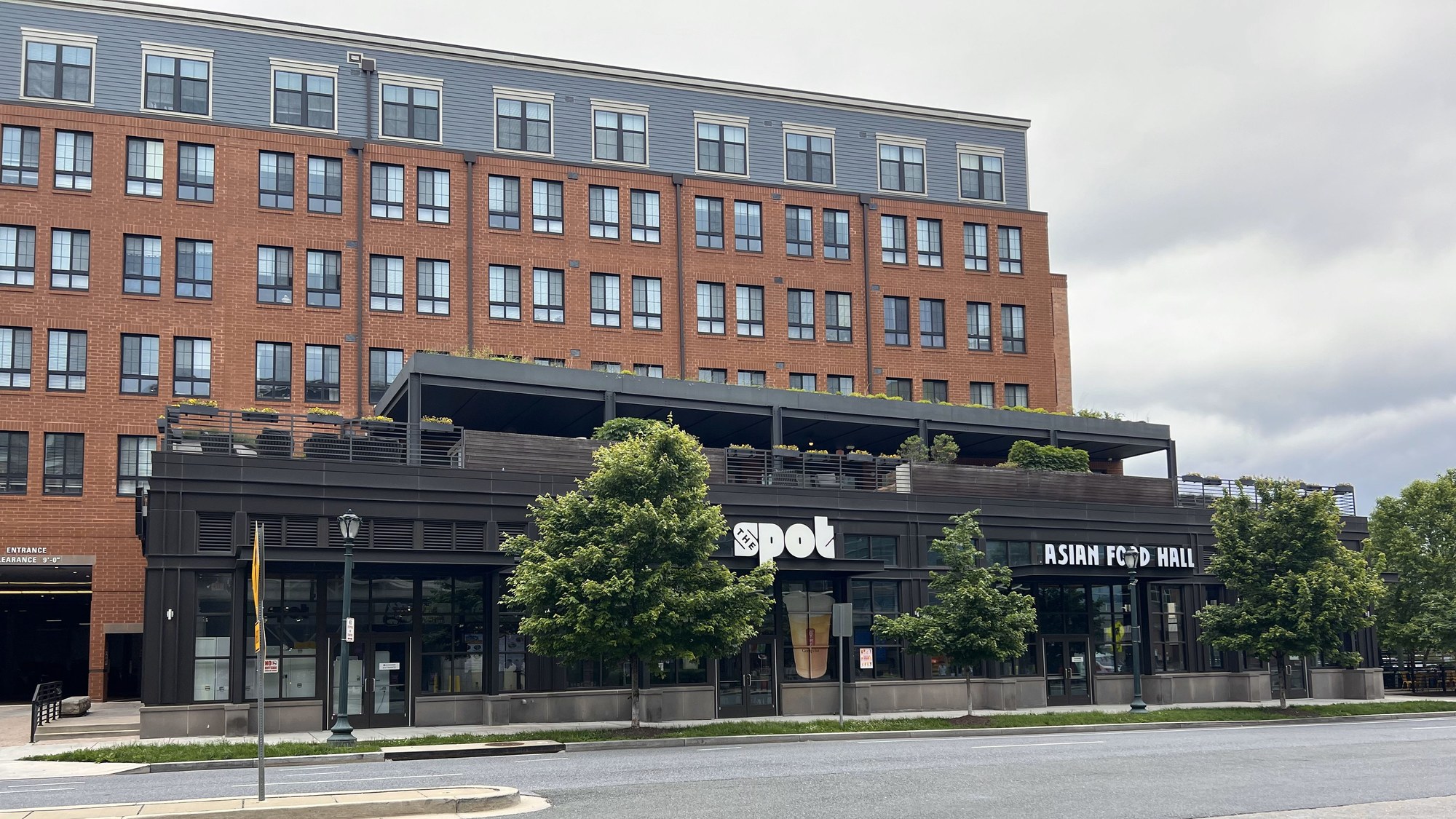
Roughly 93,000 retail workers lost their jobs last year as a wave of store closures and bankruptcy filings swept through the sector. Chains large and small shed locations, cut headcount, and turned to court-supervised restructuring to stay afloat. With forecasts pointing to even steeper closure numbers in 2025, the pressure on retail employment shows no sign of easing.
Why 93,000 retail layoffs set the stage for a harder 2025
The job losses accumulated across a year in which several well-known retailers either filed for bankruptcy protection or announced major restructuring plans. JOANN, the fabric and craft chain, kicked off 2025 by initiating a voluntary Chapter 11 process aimed at maximizing business value while keeping stores open during the proceedings. That filing followed months of financial strain and signals the kind of distress likely to repeat across the industry this year.
Coresight Research projects that approximately 15,000 U.S. stores will close in 2025, with only about 5,800 new locations expected to open. That net loss of more than 9,000 storefronts would directly translate into tens of thousands of additional positions disappearing from payrolls, particularly in regions where big-box and specialty chains serve as anchor employers in strip malls and shopping centers.
The raw closure count, however, may actually understate the full employment impact. Retailers that survive bankruptcy by shedding locations often restructure their remaining stores around smaller formats, leaner staffing models, and tighter product assortments. Each of those changes typically reduces the number of workers needed per location. A chain that closes 200 stores but reorganizes 500 others could end up cutting more total positions than the closure figure alone suggests, as part-time hours are trimmed, departments are consolidated, and back-of-house roles are automated or centralized.
Bankruptcy filings and strategy overhauls driving the cuts
JOANN’s Chapter 11 petition is one of the clearest examples of how court filings translate into workforce disruption. The company said it would remain open during the process, but voluntary bankruptcy cases routinely include motions to reject leases, close underperforming locations, and reduce employee headcount as part of a court-approved plan. Specific store closure lists and layoff totals tied to JOANN’s case have not yet appeared in publicly available court documents, so the full scope of its workforce reductions is still taking shape. For store employees, the uncertainty can last months as landlords, lenders, and management negotiate which locations survive.
Separately, Macy’s, Inc. announced a strategy it called “A Bold New Chapter,” outlining changes to its store portfolio and operations. The plan signaled a shift toward fewer, more productive locations and a tighter focus on key markets, according to materials available through the company’s site. The retailer has not disclosed granular layoff figures tied to the initiative in its public releases. Strategies like these tend to produce rolling reductions over multiple quarters rather than a single headline-grabbing cut, which makes them harder to track but no less significant for the workers affected.
The common thread between these cases is that restructuring does not simply mean closing doors. It means rethinking how many people a retailer needs, where it needs them, and what kinds of skills are required as more sales migrate online. In practice, that can involve eliminating overnight stocking shifts, shrinking in-store merchandising teams, or shifting full-time roles to variable-hour positions that offer less stability and fewer benefits. Even when a location technically remains open, its payroll can shrink dramatically.
Regional and community fallout
The employment shock is often most severe in communities where a single big-box store or regional chain serves as a major private employer. When a retailer shutters a cluster of locations in a particular metro area, displaced workers may find limited alternatives that match their previous hours or pay. Shopping centers can quickly slide into a downward spiral as anchor tenants close, foot traffic drops, and smaller in-line stores struggle to survive on reduced customer flow.
Local governments feel the strain as well. Store closures erode sales tax receipts and, over time, commercial property values. Municipalities that invested in roads, utilities, and incentives to attract retail developments may find themselves servicing that infrastructure with a smaller tax base. Economic development agencies are then pushed to court new tenants or encourage redevelopment into non-retail uses such as healthcare, logistics, or mixed housing.
What a tougher 2025 could look like for workers
If the projected wave of closures materializes, retail workers in 2025 are likely to face a job market defined by churn rather than stability. Some displaced employees will find roles at expanding chains or in warehouse and delivery operations that support e-commerce. Others may cycle through a series of short-term or part-time positions as they try to piece together consistent income. Training programs that help workers transition into logistics, customer support, or other service sectors could soften the blow, but access to such programs is uneven.
For now, the 93,000 layoffs recorded last year serve less as an anomaly than as a warning. They highlight how quickly staffing levels can fall when retailers simultaneously confront shifting consumer habits, higher operating costs, and pressure from creditors. With thousands more stores expected to go dark and surviving chains redesigning their footprints around leaner models, the employment outlook for frontline retail staff in 2025 is poised to become even more challenging.