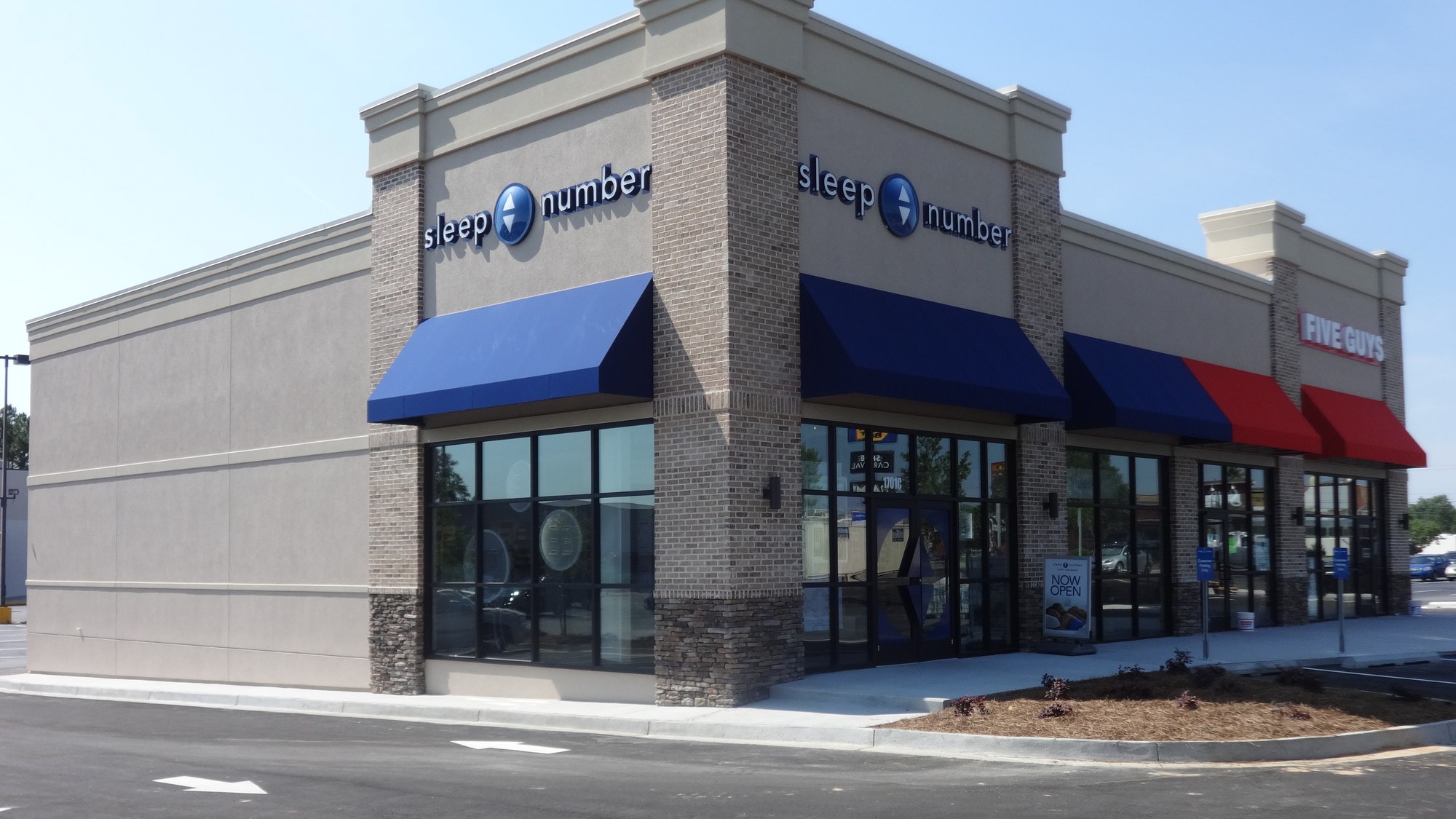
One of the best-known names in American mattresses is now reorganizing under court protection, a turn that puts hundreds of stores and thousands of livelihoods under a cloud of uncertainty. The company says its retail locations remain open and its operations continue, but a bankruptcy filing of this size reshapes what customers, employees, and creditors can count on. For older shoppers who have spent thousands on an adjustable smart bed, the more immediate question is what a Chapter 11 case means for the warranty, the deposit, and the delivery still pending.
Inside the Chapter 11 filing and a $415 million sale
Sleep Number Corporation, a mattress maker with a 39-year history, filed for Chapter 11 bankruptcy protection on June 12, 2026, and simultaneously agreed to sell itself for roughly $415 million to Canada’s largest mattress retailer, according to reporting on the filing. The company entered the case carrying about $1.3 billion in debt after reporting $319 million in first-quarter net sales and a $50 million quarterly net loss. To keep the lights on while the case proceeds, it secured up to roughly $260 million in debtor-in-possession financing.
The company has said its 572 stores stay open and that operations continue during the restructuring. At the same time, it moved to reject 44 leases, about 8 percent of its store portfolio, an early sign of where the footprint may shrink even as the broader chain keeps running.
Free retirement updates: Want plain-English help keeping more of your money in retirement? The free Retirement Shield newsletter covers the benefits, deadlines, and money mistakes that cost retirees, a couple times a week. Subscribe free.
What “nearly 3,000 jobs on the line” actually means
The workforce tied to a chain of this size, numbering in the thousands, is bound up in how the case resolves, but that exposure is not the same as a confirmed round of layoffs. The company has stated that stores remain open and business continues, and a sale that keeps the brand operating under new ownership can preserve much of the payroll. The 44 rejected leases are the clearest near-term pressure point, since closing those specific locations would affect the staff who work there.
The honest framing is that jobs are at stake in the restructuring rather than eliminated by the filing itself. Whether the “nearly 3,000” figure translates into meaningful cuts depends on which stores survive the lease decisions and how the buyer chooses to run the business after the sale closes.
Why a 39-year-old mattress brand ran out of room
The pressures that pushed Sleep Number into court are the same ones squeezing much of the retail furniture sector. Mounting operating losses, tariffs on imported components, and elevated supply-chain costs combined with a heavy debt load to leave little margin for error. A $50 million loss in a single quarter, set against $1.3 billion in debt, is the kind of gap that forces a company to seek the breathing room a Chapter 11 provides.
Under Chapter 11, a business reorganizes its finances while shielded from creditors, keeping operations going as it negotiates a plan or, as here, a sale, according to the federal court system. That is why stores can stay open even as the company restructures: the filing is a tool to stabilize the business, not an immediate shutdown.
The debtor-in-possession financing is what makes that continuity possible. The roughly $260 million in new funding gives the company cash to pay employees, honor at least some ongoing obligations, and keep stores stocked while the case moves through court. It also buys time to complete the sale, which is often the real objective of a filing like this one. A buyer acquiring the brand through bankruptcy can typically choose which contracts, leases, and liabilities to take on and which to leave behind, and that selection process is where the eventual shape of the store count and the payroll gets decided.
What a retailer’s bankruptcy means for a customer’s warranty and deposit
The wealth-protection angle matters most for anyone who has recently spent big on a bed. In a retail bankruptcy, prepaid deposits, gift cards, store credit, and long-term warranty promises can become unsecured claims, which sit near the back of the line behind lenders and are often paid pennies on the dollar, if at all. A pending delivery that has already been paid for may be honored while the company keeps operating, but that is not guaranteed once a sale changes ownership and the buyer decides which obligations to assume.
The practical protections are straightforward. A major purchase made with a credit card carries dispute and chargeback rights that cash, debit, or a financed store account do not, giving a buyer recourse if merchandise never arrives. Keeping receipts, warranty paperwork, and delivery confirmations creates the documentation needed to file a claim in the case. Shoppers weighing a new purchase from a retailer in Chapter 11 have reason to be cautious with large deposits and extended service plans, since those are exactly the promises most exposed when a company’s future is being decided in bankruptcy court. The chain may well emerge intact under new ownership, but the customers best positioned are the ones who paid in a way that protects them regardless of how the case ends.
This article was produced with the assistance of artificial intelligence and reviewed by The Financial Wire editorial team.
More Financial Reading
- Adding someone to your bank account: tax traps and smart moves
- The ideal retirement withdrawal rate so your savings actually last