Starting November 1, Virginia’s SNAP benefits will no longer pay for soda, energy drinks or other carbonated drinks with added sweeteners, the state says. The rule covers diet and zero-sugar sodas as well as the regular kind. It applies at every store in Virginia that takes SNAP, including online orders.
No new forms are involved and no benefit is cut. Restricted drinks simply will not go through when the SNAP card is swiped.
What counts as a restricted drink
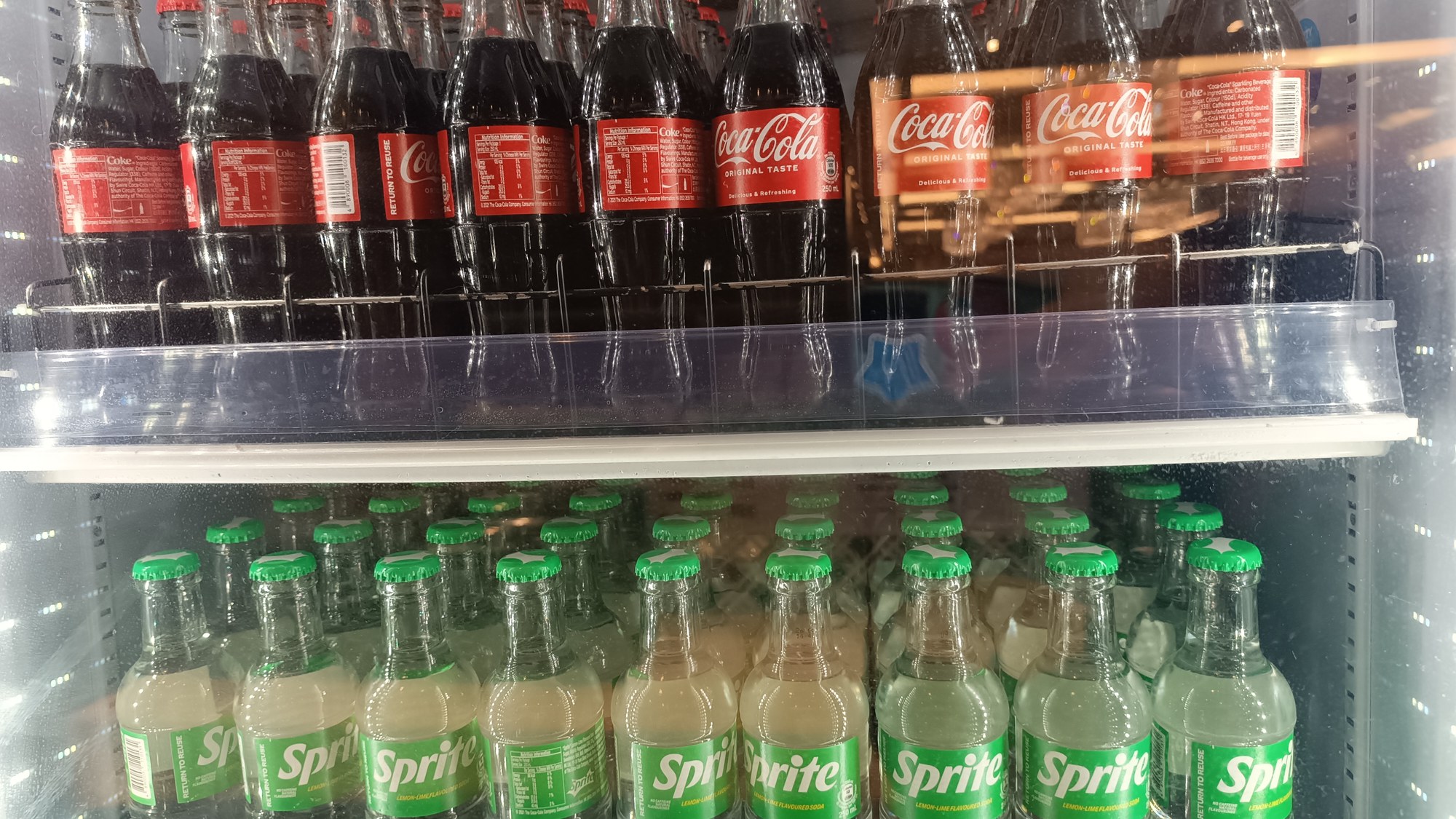
The Virginia Department of Social Services lays out the line in its SNAP Healthy questions and answers. Soda is restricted, and so are diet soda and “zero” or artificially sweetened soda. Carbonated energy drinks are out, along with any carbonated drink with 5 grams or more of added sugar per serving.
The department also says probiotic or “better-for-you” sodas count as soda. Milk-based and yogurt-based probiotic drinks are a different category and remain eligible.
The test is fizz plus sweetener. A drink has to be carbonated to be restricted, which is why so many familiar drinks fall outside the rule.
For a household shopping in Virginia, the question is which drinks in the cart will still go through on SNAP. Lemonade, iced tea and juice stay on the card, and a case of cola does not. Anyone who relies on a sweetened soda for a medical reason is encouraged by the department to talk with a health care provider about SNAP-eligible alternatives.
Retirement deadlines, in your inbox: Miss an enrollment or claim deadline and the money can be gone. The Retirement Money Brief keeps you ahead of the ones that matter, every weekday.
Get the Retirement Money Brief →
We may earn a commission from links on this page.
The drinks that stay on the card
Most beverages remain eligible. The department’s list includes lemonade, iced tea, iced coffee, juice and juice drinks, milk and plant-based milks, including chocolate milk, and unsweetened seltzer or sparkling water. Sports and hydration drinks, kombucha, yogurt drinks, infant formula and nutritional or meal-replacement drinks stay eligible too.
Non-carbonated energy drinks are also on the eligible list. That makes the fizz the deciding factor for energy drinks, not the word “energy” on the can.
Food is not touched. The department says food eligibility is unchanged, and so are eligibility rules, the monthly benefit amount and the benefit schedule. Newsweek’s April 2026 enrollment count put Virginia at 710,416 SNAP participants, which is the number of people the drink rule can reach.
At the register, and online
Nothing changes for the customer before the checkout line. A restricted drink in the same basket as eligible groceries is declined on the SNAP portion, and the shopper pays for that item with another form of payment. The department says customers will not get in trouble, and a restricted purchase that slips through by mistake is the retailer’s to fix.
The rule applies at Virginia stores no matter which state issued the EBT card. EBT cards still work in every state, but a card issued elsewhere follows Virginia’s rule on Virginia purchases.
Online orders follow the same rule. The department says stores, not third-party delivery platforms, are responsible for enforcement.
The Virginia Restaurant Meals Program is not affected, and neither is Virginia Fresh Match, which doubles the value of SNAP dollars spent on fruits and vegetables at participating locations.
Stores carry the cost of the change
All SNAP-authorized retailers in Virginia must comply starting November 1. They have to update their checkout systems and train staff, and the department says they pay those costs themselves. It plans to provide definitions, examples, printable signs and a support contact, plus a list of common affected drinks with their UPC codes. The list is not complete.
A retailer that does not fix a compliance problem can be referred to USDA, and the referral could affect the store’s SNAP authorization. That is why shoppers may see new signs near the cooler in the weeks before the date.
Virginia is acting under a waiver listed on USDA’s food restriction waiver page, which shows November 1, 2026 as Virginia’s target date for “sweetened beverages.” The department describes the project as a test and says the aim is to help SNAP dollars go further on healthier foods and drinks.
A survey email and where to ask questions
Some Virginia SNAP households will get a message from the department. It is a voluntary “SNAP Healthy Household Survey,” sent through Qualtrics from the Virginia Department of Social Services, with the first round going out in October. Later rounds are planned six to twelve months after the change. Participants are picked at random, there is no payment, and taking the survey does not affect benefits.
The department’s questions-and-answers sheet is the free, official route for details. The website is www.dss.virginia.gov/SNAPHealthy and the email address is SNAPHealthy@dss.virginia.gov. No phone number is listed there, and local offices can answer case-specific questions.
Updates are planned through flyers in local offices and stores, the department’s website and social media, email and text alerts when available, and community partners. The question for a Virginia household is which drinks go in the cart on November 1, and the answer sits in the lists above.
Buying drinks with a Virginia SNAP card after November 1?
A cart that mixes diet cola, seltzer and lemonade can come up short at the register on the first day of the rule, and the shortfall comes out of a tight monthly food budget. The line between a restricted drink and an eligible one is thin, and it is easy to guess wrong.
The SNAP & Medicaid Renewal Organizer holds 51 state packs, including Virginia’s, and a renewal and reporting calendar. For a Virginia household that means the new drink rule and the dates that keep the benefit in place are tracked together.
Check Virginia’s SNAP rules in the organizer’s state pack and renewal calendar →
More Financial Reading
- 15 Places to Find Your Share of the $4.25 Billion States Give Back
- 21 Ways to Stretch a $2,087 Social Security Check
- 15 Steps to Stop the Scams That Took $7.7 Billion From Seniors
This article was produced with the assistance of AI and reviewed by the editorial team.