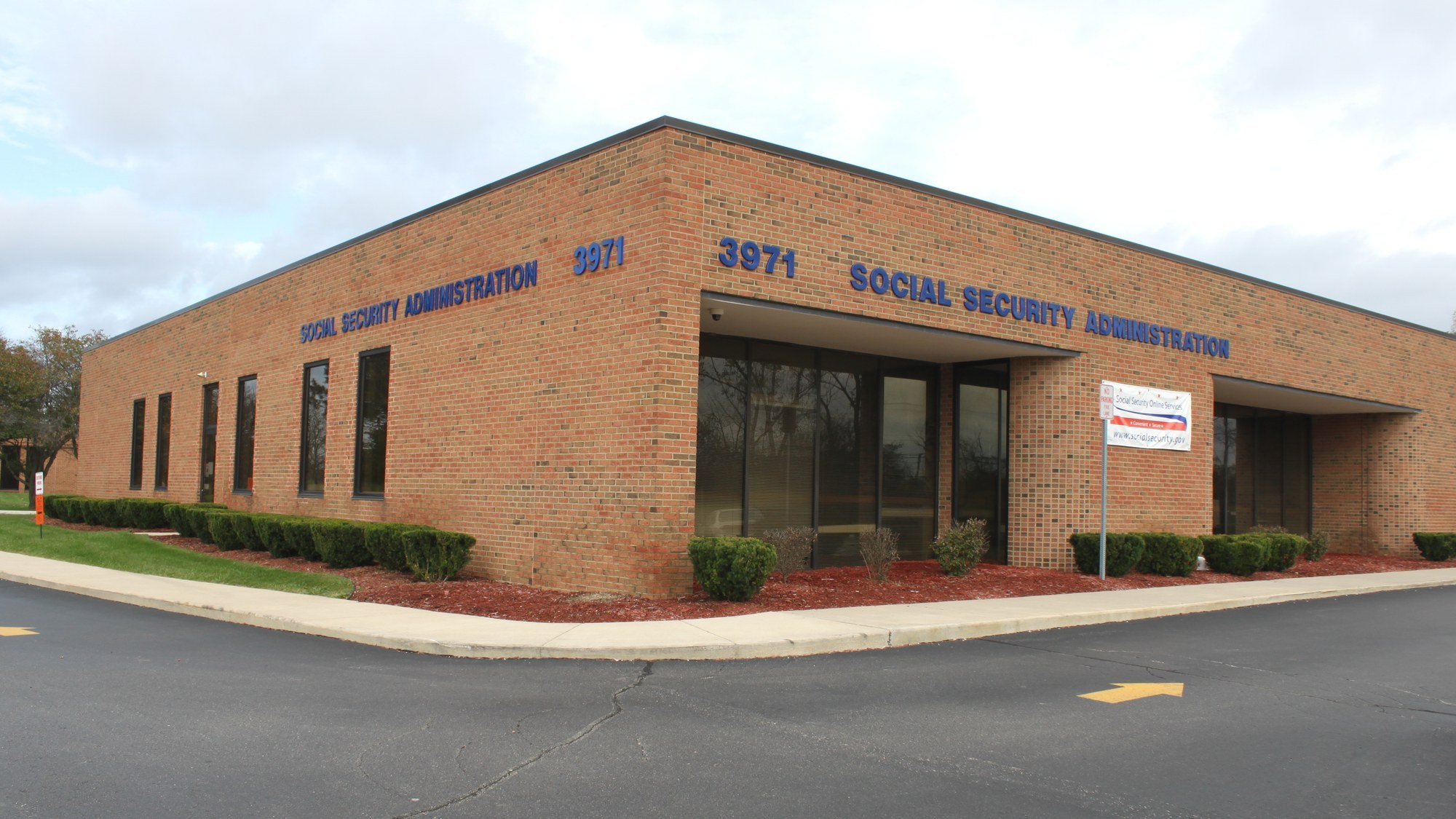
More than 469,000 Social Security overpayment notices may have failed to meet the agency’s own policy requirements in fiscal 2023, federal auditors estimated. The problems went beyond awkward wording: sampled letters sometimes contained inaccurate amounts, omitted appeal rights or failed to explain how the debt arose. A notice that starts collection activity without a usable explanation can turn an agency error into a household cash-flow crisis.
Nearly Half the Sample Failed at Least One Policy Test
The Social Security Administration Office of Inspector General reviewed Old-Age, Survivors and Disability Insurance overpayment notices. Its September 4 release says 46 percent of sampled notices did not meet SSA policy. Auditors projected that employees incorrectly processed more than 469,000 notices during fiscal 2023.
Deficiencies included missing descriptions of how and when the overpayment occurred, inaccurate dollar figures, unclear calculations and omitted information about reconsideration or waiver rights. Those elements are not optional decoration. They allow a beneficiary to decide whether the debt is correct, whether recovery should be challenged and which deadline applies.
Free retirement updates: A quiet rule change can shrink your Social Security or Medicare check, and no one warns you. The free Retirement Shield newsletter catches these early and tells you what to do. Get it free.
An Overpayment Notice Can Change the Next Check
SSA uses overpayment notices to tell a beneficiary that too much was paid and that the agency plans to recover the debt. Depending on the program and current policy, recovery may involve withholding future benefits or arranging repayment. An incorrect amount therefore can affect both the claimed balance and the money available in subsequent months.
A recipient cannot meaningfully respond if the letter does not show the months, payments or income information behind the calculation. Likewise, leaving out reconsideration and waiver language can hide the difference between disputing whether the debt exists and asking that recovery be waived because the person was not at fault and collection would meet the applicable standard.
Requests for Explanations Also Broke Down
The audit separately examined what happened after beneficiaries asked for explanations. SSA employees incorrectly processed 79 of 125 sampled requests, a 63 percent failure rate. Based on that sample, OIG estimated that more than 7,000 of over 11,000 explanation requests were mishandled.
Problems included misuse of system indicators, deficient written explanations and missing documentation. Some requests remained unresolved for more than 900 days. That lag can leave a beneficiary caught between an active debt record and an unanswered request for the calculation supporting it.
The 469,000 Figure Is a Projection
The headline appropriately says the notices “may have” violated agency rules because the number is a statistical estimate from a sample, not a manual review of every notice. The full OIG report provides the sampling work behind the projection. The 46 percent deficiency rate is the observed sample result; more than 469,000 is the projected population impact.
Projection does not make the finding hypothetical. Statistical audits are designed to estimate systemwide failures from tested records. It does mean that an individual notice should be evaluated on its own content rather than assumed defective simply because it was sent in fiscal 2023.
SSA Accepted Six Recommendations
OIG issued six recommendations addressing controls, policy-compliant templates, documentation and processing of explanation requests. SSA agreed to implement them. That response does not retroactively correct every letter, but it creates a management obligation to change how notices are produced and how requests are tracked.
As of September 15, the final audit remained the controlling source: 46 percent of tested notices had policy deficiencies, leading to an estimate of more than 469,000 affected notices. The report supports review of the actual debt letter, not a blanket conclusion that every overpayment is invalid.
A complete file begins with the original notice and every later envelope, because mailing dates can affect response windows. Benefit statements, wage records and prior agency correspondence may reveal why SSA changed the payment. Keeping the documents together allows a representative or advocate to reconstruct the same months the agency used.
The audit’s finding on inaccurate amounts is especially important because a beneficiary may agree that some overpayment occurred but dispute the calculation. Reconsideration addresses the existence or size of the debt; waiver analysis addresses recovery under separate standards. A notice that blurs those paths can prompt the wrong response.
System indicators matter internally because they tell employees that an explanation has been requested and may affect how recovery proceeds. Misusing or omitting them can leave a case appearing inactive while the beneficiary waits. The 900-day examples show how a small documentation failure can become a multiyear process problem.
SSA’s agreement with the recommendations is a starting point, not proof of completion. Future oversight can compare revised templates, employee training and request-aging data with the fiscal 2023 baseline. That follow-through will determine whether the projected failure count falls.
A policy-compliant template cannot fix bad source data by itself. SSA also must ensure calculations and case histories feed the letter accurately. The audit’s combination of missing explanations and wrong amounts shows that both document design and underlying processing need attention.
The Benefit Rules That Sit Beside an Overpayment
An overpayment dispute concerns an existing Social Security debt, while SSI, SNAP and Medicaid use separate eligibility and application rules. A flawed debt notice does not automatically open or close those other programs.
The Benefits Checklist explains eleven programs in 69 pages, with 2026 limits and a 50-state directory.
Compare the linked benefit rules in The Benefits Checklist.
AI tools assisted in researching and drafting this article, which was reviewed prior to publication.



