Social Security says it now answers calls to its national 800 number in an average of 5.6 minutes, down from 28 minutes in fiscal 2024. The agency also says the average wait for a disability hearing has shortened by 72 days over the same stretch. For anyone who has been waiting on a payment, a decision or an appeal, the agency is claiming that the waiting itself has gotten cheaper.
Every figure here is the agency’s own, and every one is an average. The comparison is fiscal 2026, which ended Sept. 30, against fiscal 2024, so it describes the whole year rather than any single call, and the release is the only source for it.
The people with something to decide are the ones who stopped calling after a long hold, and anyone with a pending disability claim or hearing request who has been living on the delay. For them the practical step is to try the line again, and to find out where the claim stands before assuming nothing has moved.
Stay ahead of Social Security payment news: Miss an enrollment or claim deadline and the money can be gone. Join the Retirement Money Brief and we’ll send you our 2026 Social Security & SSI Payment Calendar as a welcome gift.
Get the Brief + the payment calendar →
We may earn a commission from links on this page.
How fast does the 800 number pick up now?
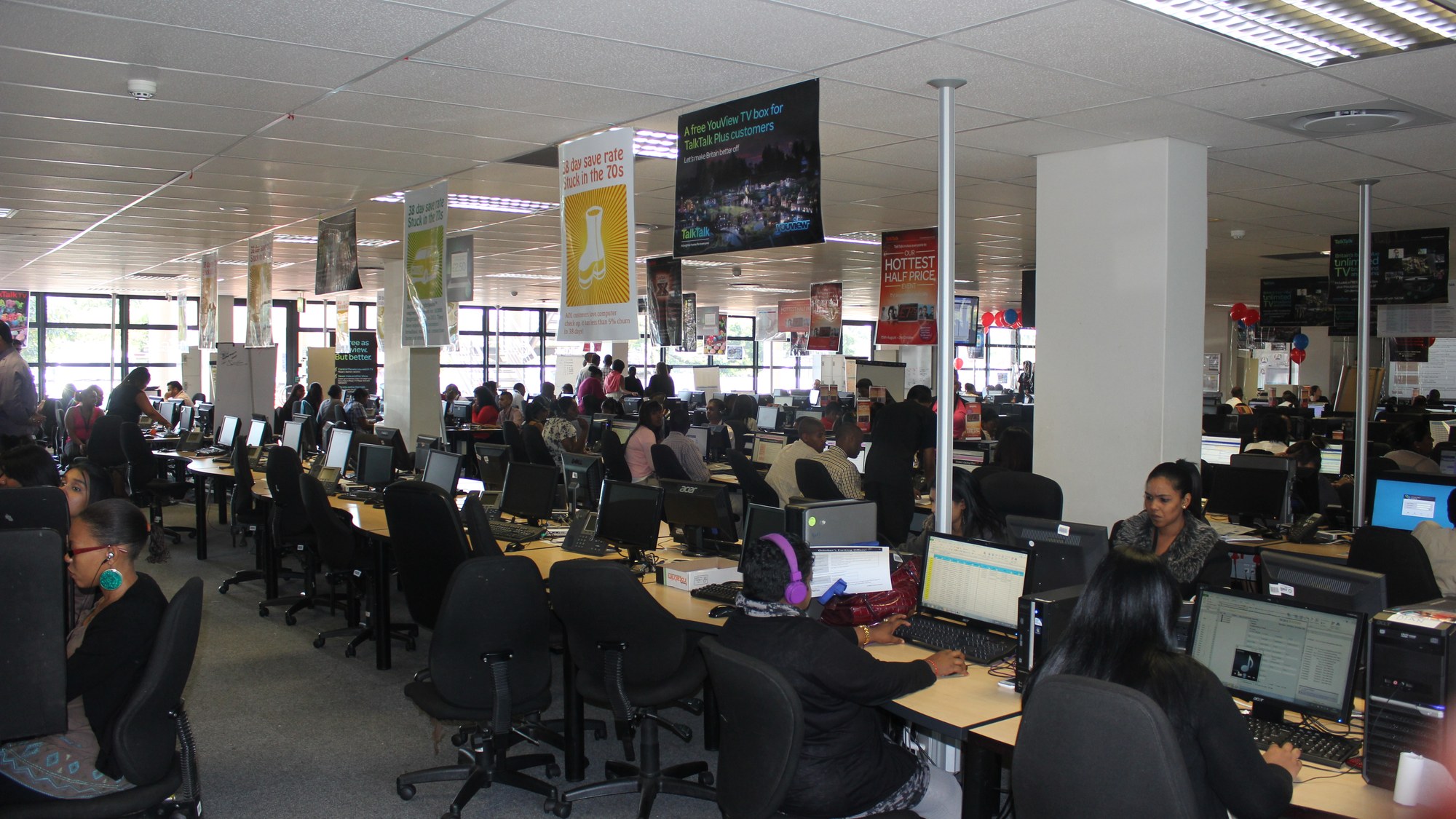
The figures come from an Oct. 23 SSA release titled “Social Security’s Digital-First Strategy Produces Best Performance in Agency History.” It puts the average speed of answer on the national 800 number at 5.6 minutes in fiscal 2026, an improvement of almost 80% from the 28 minutes of fiscal 2024.
The agency adds that the line has had a zero percent busy rate over the last six months and the highest answer rate in more than a decade. It says intelligent call routing and its automated phone menu handled 40% of calls. Commissioner Frank J. Bisignano said in the release that “SSA’s digital-first strategy is driving transformational improvements and historic results across the agency.”
For a caller, the money value of a faster answer is concrete. A missed or short deposit, an overpayment letter with a deadline, or a change of bank account all tend to need a human or a record fixed quickly. Anyone who dropped a call during the 28-minute era can reach the agency through its contact page, which lists the phone and online options.
What is a 72-day shorter hearing wait worth to a claimant?
The release says the annual average wait for a hearing has decreased by 72 days since fiscal 2024. It gives only the reduction, not the before and after waits, so the length of the wait a claimant faces today is not stated.
Seventy-two days is a little over two months. For someone with a denied disability claim and no paycheck, that is roughly two months of rent, utilities and groceries that the agency says no longer sit in the queue on average. Whether any individual hearing moves that much depends on the office and the case, and the release does not break the figure down by region.
The same release reports shorter waits at the front of the process. It says the average processing time for an initial disability claim was shortened by 40 days, or 17%, against fiscal 2024. It also says the backlog of initial claims fell 23%, from nearly 1.2 million at the end of fiscal 2024 to 911,000 at the end of fiscal 2026.
The agency is changing what hearing winners see, too. SSA told advocates on Oct. 27 that it began using a redesigned decision notice in October for a limited number of fully favorable disability hearing decisions, showing the disability onset date and the reason for the finding.
Which of these numbers can a person check?
None of the averages can be checked from a kitchen table, but the agency’s other claims point to places where a person can look. SSA says its website no longer has 29 hours of weekly downtime, that logins rose by more than 10 million over the past year, and that more than 105 million people hold a my Social Security account, a 20% increase from fiscal 2024.
A pending claim is the first thing worth looking up. Anyone with an account can sign in to my Social Security to see where a claim stands without waiting on hold. For in-person help, SSA says field office wait times are down more than 30% against fiscal 2024, and the office locator shows the nearest one.
If the website itself is the problem, the agency also points to a system status page, which is worth checking before assuming an account is locked.
Do 911,000 waiting claims change the picture?
The agency’s own backlog number is the best reason to read the improvement carefully. A fall to 911,000 initial disability claims still means nearly a million applications waiting at the end of fiscal 2026, and an average processing time cut by 40 days says nothing about the claim that sits at the long end of the range.
That leaves the open question for each household: whether the improvement shows up in its own case. A person who calls, signs in or visits and still gets no answer is no worse off for having tried, and the dates of every call and the name of anyone spoken to are the record that matters if a payment goes late or an appeal needs a timeline.
Is a late or wrong Social Security payment waiting on a call?
A faster phone line does not stop a deposit from arriving late, short or tied to an overpayment notice, and the household that counts on the check is the one that feels it first. Most of the cost comes from not knowing which date to expect the money and which form to send when it goes wrong.
The Social Security Check Protection Kit is a 75-page guide that covers late, short or wrong payments, with a first-24-hours plan for a late or missing payment and the 2026 payment calendar. It also includes an overpayment response worksheet and explains the three SSA forms that stop or pause collection (SSA-561, SSA-632 and SSA-634).
Get the late-payment plan and 2026 payment calendar in the Check Protection Kit →
This article was produced with AI assistance and edited for accuracy against the sources linked above.