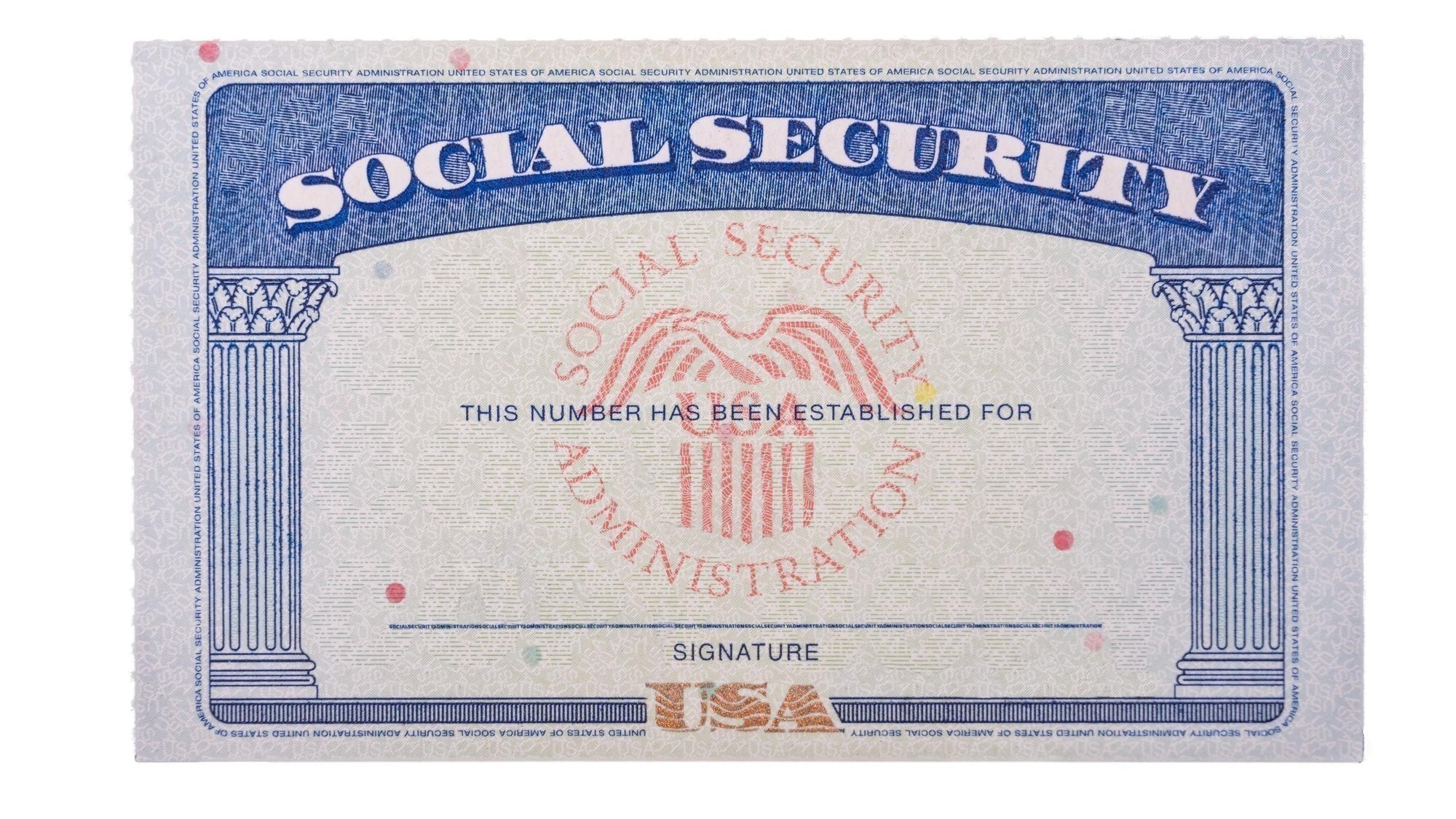
A debt collector’s court order lands at the bank, and the account holding a monthly Social Security deposit is suddenly frozen. For retirees living on that check, the moment is terrifying, but federal law draws a firm line around benefits. Most creditors chasing a credit card balance, a medical bill, or a personal loan cannot touch Social Security. A narrow set of debts owed to the government are the exception, and they can reach the check directly.
The private-debt shield that protects most retirees
Social Security retirement, disability, and survivor benefits are generally off limits to private debt collectors. A company that wins a lawsuit for an unpaid consumer debt still cannot seize benefits the way it might garnish wages, because federal law treats those payments as protected income.
The Consumer Financial Protection Bureau explains that benefits are generally protected from garnishment for private debts. The protection is strongest when payments arrive by direct deposit, because banks are required to automatically shield the money rather than wait for the account holder to prove where it came from.
Free retirement updates: Keep more of a Social Security check and savings with plain-English updates on the changes, deadlines, and costly mistakes retirees miss. Subscribe free.
The government debts that can reach a check
The shield does not cover money owed to the government. Benefits can be tapped to collect back federal taxes, defaulted federal student loans, and unpaid child or spousal support, the CFPB notes. In those cases the government does not need a lawsuit or a private court order to begin taking a slice of the benefit.
Each type of debt carries its own limits. The Treasury can withhold up to 15 percent of a monthly benefit to recover delinquent federal taxes. Defaulted federal student loans can trigger an offset that also reaches into the check, a practice the CFPB has examined in a dedicated issue spotlight on older borrowers. Child and spousal support orders can claim a larger share still, depending on the beneficiary’s circumstances.
Why student loans catch older Americans off guard
The student loan exposure surprises many retirees, in part because the debt is often decades old or co-signed for a child or grandchild. A parent who guaranteed a federal loan that later went into default can see benefits offset, even though the money was borrowed for someone else. Because the offset applies only to federal loans, private student debt does not carry the same reach and falls back under the general private-debt protections.
The stakes rose after collection activity on defaulted federal student loans resumed following a long pandemic-era pause, putting a group of older borrowers back in the path of benefit offsets. For a retiree whose Social Security check is the main source of income, even a modest reduction can force hard choices on rent, food, and prescriptions.
What a levy actually takes from a benefit
The amounts the government can reach are capped, though the caps differ by debt. Under the Federal Payment Levy Program, the IRS can take up to 15 percent of a monthly Social Security benefit to satisfy overdue federal taxes, and it can begin without a court order. Defaulted federal student loans carry their own limit on how much of a benefit can be offset, and a portion of the monthly payment is protected from that offset entirely.
Child and spousal support enforcement can claim a steeper share, sometimes more than half of a benefit, depending on whether the beneficiary is supporting another family and how far behind the payments have fallen. Because the rules and percentages vary by debt, a retiree facing any of these actions can often negotiate a repayment arrangement with the agency involved rather than absorb the maximum reduction.
Timing sets government debts apart. Offsets can begin without the lawsuit and judgment a private creditor would first have to win, which is why a benefit can shrink with little warning. A beneficiary who believes an offset is wrong, or who cannot afford the reduction, generally has the right to request a review, document financial hardship, or arrange an installment plan that lowers the monthly bite.
The two-month bank rule and how benefits stay safe
When a bank receives a garnishment order, federal rules require it to look back two months and automatically protect an amount equal to the benefits deposited during that window. Money above that two-month cushion can be frozen or taken, which is why mixing benefits with other funds in a single account can complicate the protection. The CFPB details how the automatic safeguard works and what a beneficiary can do when protected funds are wrongly held.
Supplemental Security Income, the needs-based program for low-income aged, blind, and disabled recipients, gets even broader treatment and is generally protected even from government debts. Keeping benefits in direct deposit, avoiding the co-mingling of protected and unprotected money, and responding quickly to any freeze are the practical steps that keep the shield intact. The dividing line, as the CFPB lays it out, is who is owed: a private creditor almost always comes up empty, while the government can collect what it is owed straight from the check.
This article was produced with the assistance of artificial intelligence and reviewed by The Financial Wire editorial team.
More Financial Reading
- What really happens to your joint savings account when you die?
- How many CDs can you park at 1 bank? FDIC rules you must know