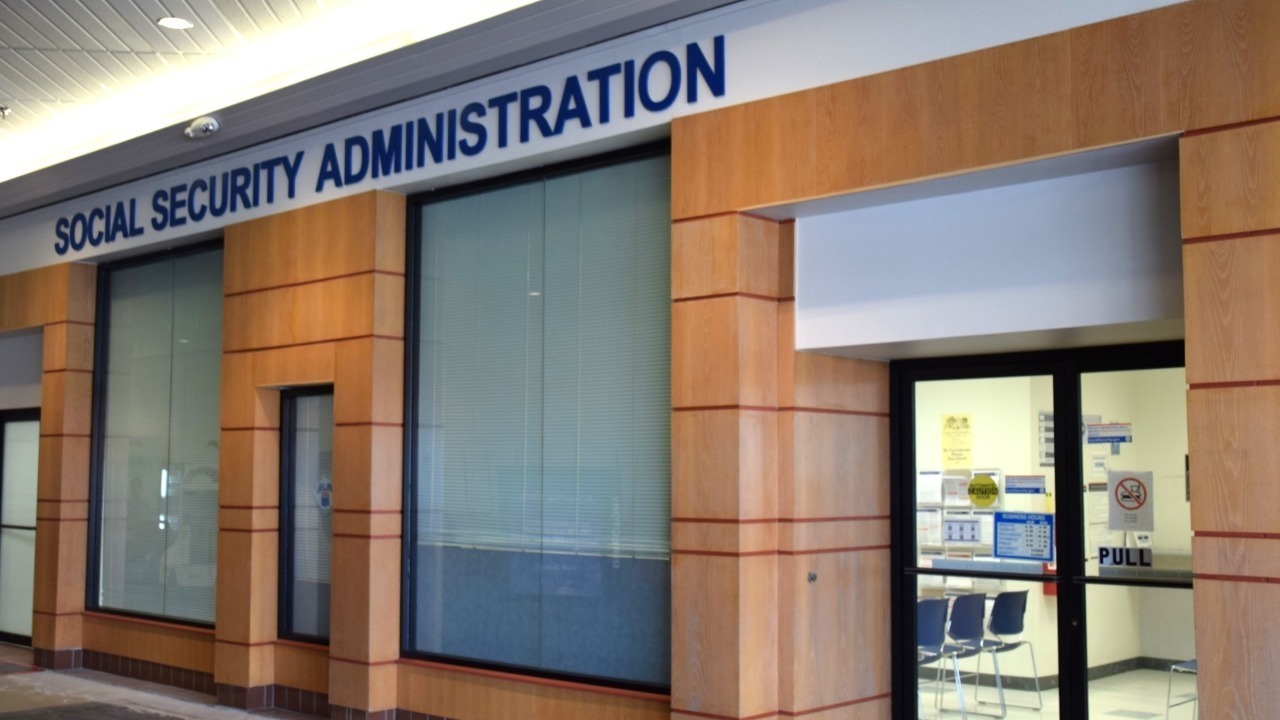
When the Social Security Administration pays a beneficiary more than the rules allow, it treats the surplus as a debt to be collected, even when the error was the agency’s own. For years the government recovered those overpayments gently, shaving a small slice off each monthly check. That approach has since hardened, and the current default can take a far larger bite out of a retiree’s income at a time when many can least afford the loss.
A much larger bite than before
An overpayment occurs when a beneficiary receives more money than they were entitled to, and the agency later moves to recover the difference. The mechanics of that recovery, not the existence of the debt, are what changed.
Under current policy, the default rate for recovering most Social Security retirement and disability overpayments is 50% of the monthly benefit, according to the Social Security Administration’s overpayment guidance. Payments under Supplemental Security Income, a program for people with very limited income and resources, are held to a gentler 10% default. The agency can still withhold as much as 100% of a benefit in cases involving fraud, or when a beneficiary fails to respond to the overpayment notice within the time allowed.
The practical effect is severe. Withholding half of a monthly benefit is not a rounding error for someone living on that income; it can mean the difference between covering the month’s essentials and falling short. For a household where the Social Security payment is the largest or only source of income, a sudden 50% reduction functions like an unexpected pay cut that arrives with little warning.
Free for readers: Social Security and Medicare change every year, and nobody sends a memo. The free Retirement Shield newsletter breaks down what changed and what to do. Get it free in your inbox.
How the policy shifted
The 50% figure is itself a compromise. For years the standard clawback was capped at a much smaller share of the monthly benefit, on the order of 10%. In 2025 the agency briefly announced that it would recover the full benefit, withholding 100% of a check until the debt was cleared, a move that drew sharp criticism for the hardship it threatened to impose on people who depend on the payments to cover rent and food. According to reporting on the change, the agency then scaled back, and an emergency message dated April 25, 2025 set the current 50% default for retirement and disability overpayments.
The back-and-forth matters because it left many beneficiaries confused about which rate actually applies. The current default is 50%, not the full benefit that was floated and then withdrawn, and knowing that distinction is the first step toward responding correctly to a notice rather than assuming the worst or ignoring it.
How overpayments happen in the first place
Many beneficiaries are startled to receive an overpayment notice precisely because they did nothing wrong. Overpayments frequently trace back to timing and processing gaps: a delay in recording a return to work, a change in living arrangements or marital status that was reported but not yet applied, the outcome of a disability or income review, or an outright error inside the agency. A person may have spent the money in good faith, unaware anything was amiss, only to learn months or even years later that the government wants thousands of dollars back.
Because the money is often long spent by the time a notice arrives, the demand can feel both sudden and unfair. That reaction is understandable, but the notice is not the end of the conversation. It is the start of a process that includes several ways to push back or soften the terms.
The rights a beneficiary keeps
A recovery notice is not the final word, and the options for responding are meaningful. A beneficiary who cannot absorb a 50% cut can ask the agency for a lower withholding rate spread over a longer period. Someone who believes the overpayment is wrong, or was not their fault, can challenge it by filing a Request for Reconsideration on Form SSA-561. And a beneficiary who accepts that the overpayment happened but cannot afford to repay it can ask the agency to waive collection entirely using Form SSA-632, which applies when the overpayment was not the person’s fault and repaying it would cause financial hardship or be unfair.
Timing is critical. The overpayment notice generally opens a limited window, commonly around 90 days, before withholding begins, and acting inside that window preserves the widest set of choices. Ignoring the notice is the worst option, because a lack of response is one of the circumstances that can push the withholding rate all the way to the full benefit. Responding promptly, with documentation of income and expenses where hardship is the issue, keeps the decision from being made automatically and without the beneficiary’s input.
A bigger stake for fixed incomes
For a retiree whose Social Security check makes up the majority of monthly income, a 50% reduction is not a paperwork inconvenience; it can mean falling behind on rent, utilities, or medication for however long the withholding lasts. That is why understanding the appeal and waiver rights matters as much as understanding the rate itself. The debt may be real, but the size and speed of repayment are negotiable, and the beneficiaries who fare best are generally the ones who open the notice, note the deadline, and respond rather than set it aside and hope it resolves on its own.
It also helps to keep records that support any request for relief. Bank statements, a simple monthly budget, and copies of any correspondence with the agency make the case for a reduced rate or a waiver far stronger than an unsupported claim of hardship. The overpayment system runs on documentation, and the beneficiary who arrives with it holds more leverage than one who does not.
Where to turn for help
No beneficiary has to navigate an overpayment notice alone. Contacting the Social Security Administration promptly, in writing where possible, creates a record that the notice was disputed or that a lower rate or waiver was requested inside the deadline. Keeping copies of every letter, form, and phone call, including dates and the names of anyone spoken with, protects a beneficiary if the account of what happened is later questioned.
For those with limited income, free assistance is often available. Legal aid organizations and legal-services programs frequently help older and low-income beneficiaries challenge overpayments or apply for waivers at no cost, and many communities have benefit counselors who do the same. The overpayment rules are complex enough that a knowledgeable advocate can sometimes secure a reduced rate or a full waiver that a beneficiary acting alone might not realize was available.
Free for readers: For plain-English help keeping more money in retirement, the free Retirement Shield newsletter covers scams, benefits, and money owed, a couple times a week. Subscribe free.
This article was researched and drafted with AI assistance and reviewed against the linked primary sources.



