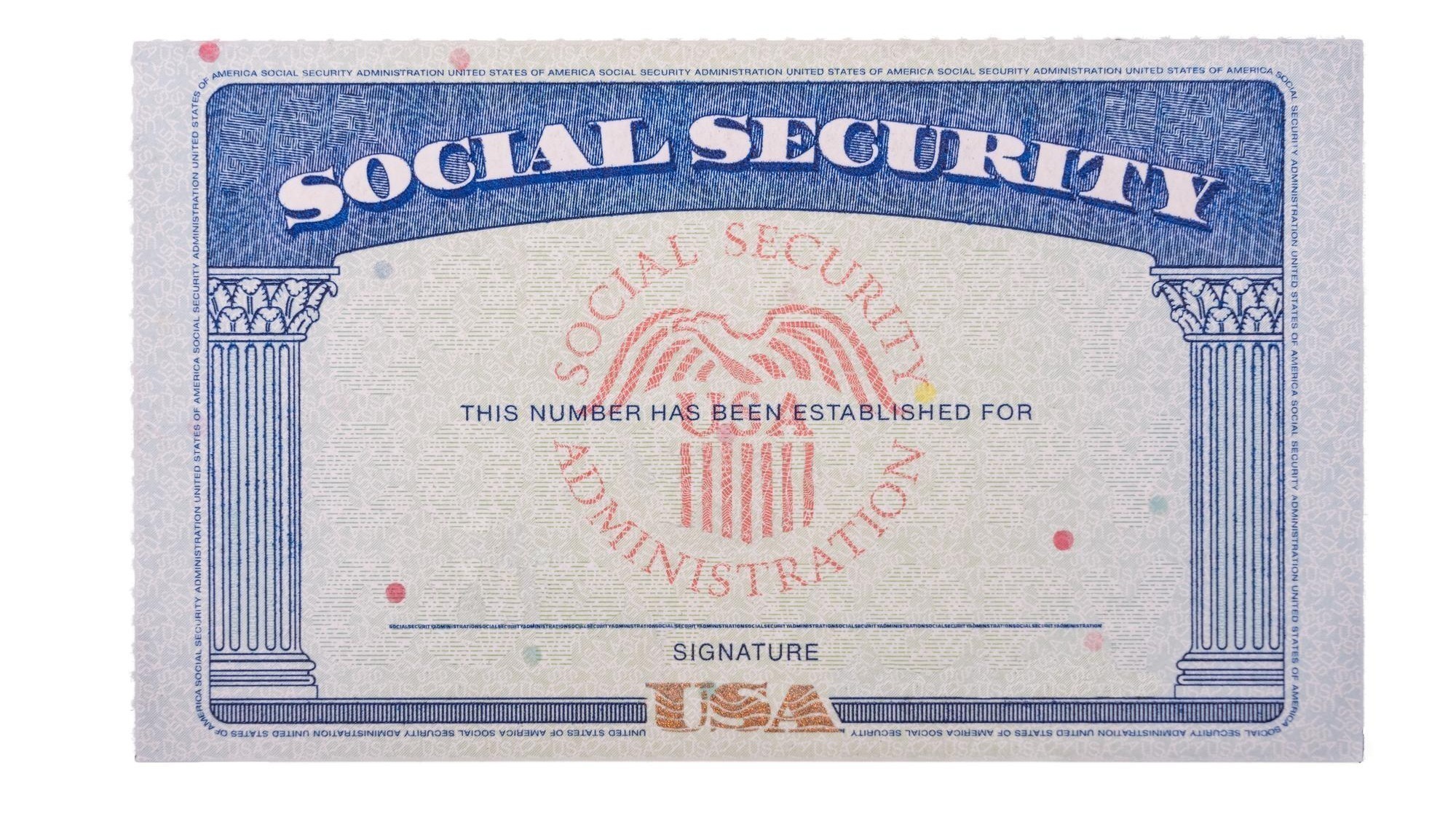
Reaching a certain age does not trigger a Social Security check. Benefits begin only when a person files an application, and no payment arrives until that step is complete. The distinction surprises many people who assume the money starts automatically, and it can cost real dollars, because the program pays only a limited amount of back benefits to those who file after they could have started.
Benefits require an application
There is no automatic enrollment for retirement benefits the way there is a default start for some other programs. A worker who paid into Social Security for decades still has to claim it, choosing a month for benefits to begin and completing an application to make it happen. Someone who simply waits, expecting the system to notice a birthday, may go months with no income and recover only a fraction of it later.
The Social Security Administration accepts applications online through a personal account, by phone, or in person at a field office, and it recommends filing a few months before the month benefits should start. Applying early in that window helps ensure the first payment arrives on time, since benefits are paid the month after they are due. The application itself is not complicated, but it rewards a little lead time, and applicants generally need basic records such as a birth certificate, proof of citizenship or lawful status, and details about current or former employment. Nothing about turning 62, 65, or 67 sets the process in motion on its own; the application is the trigger.
Free for readers: One number can cost or save hundreds a month in retirement. The free Retirement Shield newsletter surfaces the ones worth knowing. Sign up free.
The six-month cap on back pay
For those who file late, Social Security can pay some retroactive benefits, but only up to six months, and only under a specific condition. Retroactive benefits are available only for months at or after full retirement age, and the program cannot pay for any month before a person reaches that age, according to the agency’s rules on late filing. The limit is spelled out in the Social Security handbook, which caps the retroactive effect of an application at no more than six months, in its section on retroactivity. A person who reaches full retirement age at 67 and does not file until 68, for example, could claim up to six months of back benefits in a lump sum, but not the full year that passed.
Filing before full retirement age works differently. Someone who claims early receives a permanently reduced benefit, and the program does not offer a retroactive lump sum for months before full retirement age, because benefits taken early are reduced for each month before that age. In practice, the six-month back-pay option is a feature only for people who have already reached their full retirement age, which is why the timing of a claim relative to that milestone matters so much.
Why the lump sum is not free money
A six-month retroactive payment can look attractive, but it carries a lasting cost. Accepting back pay resets the official start date six months earlier, which means the monthly benefit is calculated as if the person had claimed then. For someone past full retirement age who is earning delayed retirement credits, taking the lump sum forfeits six months of those credits and locks in a permanently smaller monthly check. The choice, in effect, trades a one-time payment for lower income every month for the rest of the retiree’s life, so the decision deserves the same scrutiny as the original choice of when to claim.
The timing of that first deposit follows its own rules. Social Security pays benefits in the month after they are due, and the payment date within the month depends on the beneficiary’s birth date, so even a well-timed application does not produce an instant check. Someone who waits until the exact month income should begin can end up waiting several additional weeks for processing and the normal payment schedule to catch up. Filing early in the recommended window, rather than at the last moment, is the simplest way to avoid an unintended gap between a final paycheck and a first benefit deposit.
The other assumptions that cost money
Part of the confusion comes from Medicare, which has its own separate sign-up rules and deadlines around age 65. Enrolling in Medicare does not start Social Security retirement benefits, and starting Social Security does not by itself resolve every Medicare decision. Treating the two as one automatic event is a common and costly mistake, since each has distinct windows and each requires its own action.
The application requirement reaches beyond a worker’s own retirement benefit. A surviving spouse must apply for survivor benefits, which are not paid automatically even when Social Security already has a record of the marriage and the death, and a spouse claiming on a partner’s earnings record has to file as well. In every case the same principle holds: the money follows an application, and the calendar for back pay is limited. Families managing a death or a disability alongside a retirement decision have every reason to file promptly, because the benefit does not wait for anyone to get around to claiming it.
It also pays to confirm the earnings record before filing. Social Security calculates a retirement benefit from a worker’s highest years of covered wages, and a missing or understated year can permanently shrink the check. Reviewing the earnings statement in advance, and correcting any gaps with pay stubs or tax records, protects the very amount the application will lock in. Taken together, these steps point to one lesson: the start of Social Security is an active decision, not an event that happens on its own. Choosing a claiming month deliberately, applying a few months ahead of it, and remembering that late filing recovers at most six months of back pay, and only at or after full retirement age, keeps a retiree from quietly losing income that a lifetime of payroll taxes already earned.
Free for readers: Social Security and Medicare change every year, and nobody sends a memo. The free Retirement Shield newsletter breaks down what changed and what to do. Get it free in your inbox.
This article was researched and drafted with AI assistance and reviewed against the linked primary sources.