Social Security’s Supplemental Security Income program, known as SSI, still stops a month’s payment once countable resources go over $2,000 for an individual or $3,000 for a couple. The Social Security Administration (SSA) says that if resources exceed the limit at the start of a month, no SSI is paid for that month. Congress wrote those two figures into the law for January 1, 1989.
SSI is the needs-based check for older, blind and disabled people with little income. SSA lists the top federal payment for 2026 at $994 a month for an individual and $1,491 for a couple. The 3.6% cost-of-living raise lifts those to $1,029 and $1,544 in January 2027. The savings limits did not move with them.
That gap matters to anyone on SSI who is saving for a funeral, a car repair or a rainy day, and to families helping a relative on SSI. A balance of $2,001 on the first of the month can cost a full month of a $994 check. The question is what SSA counts, what it leaves out, and what to do before a balance crosses the line.
Retirement deadlines, in your inbox: Miss an enrollment or claim deadline and the money can be gone. The Retirement Money Brief keeps you ahead of the ones that matter, every weekday.
Get the Retirement Money Brief →
We may earn a commission from links on this page.
What counts toward the limit
SSA defines a resource as something a person owns that can be used, or turned into cash, to pay for food and shelter. Cash, bank accounts, stocks, bonds and property all fit. Many things people own do not count at all.
The test is the total of what counts, not any one account. Money in checking, savings and a brokerage account is added up and measured against the single $2,000 or $3,000 figure.
What SSA leaves out
SSA’s list of excluded resources is longer than many recipients expect:
- The home a person lives in and the land it sits on.
- One vehicle used for transportation by the person or a household member, regardless of its value.
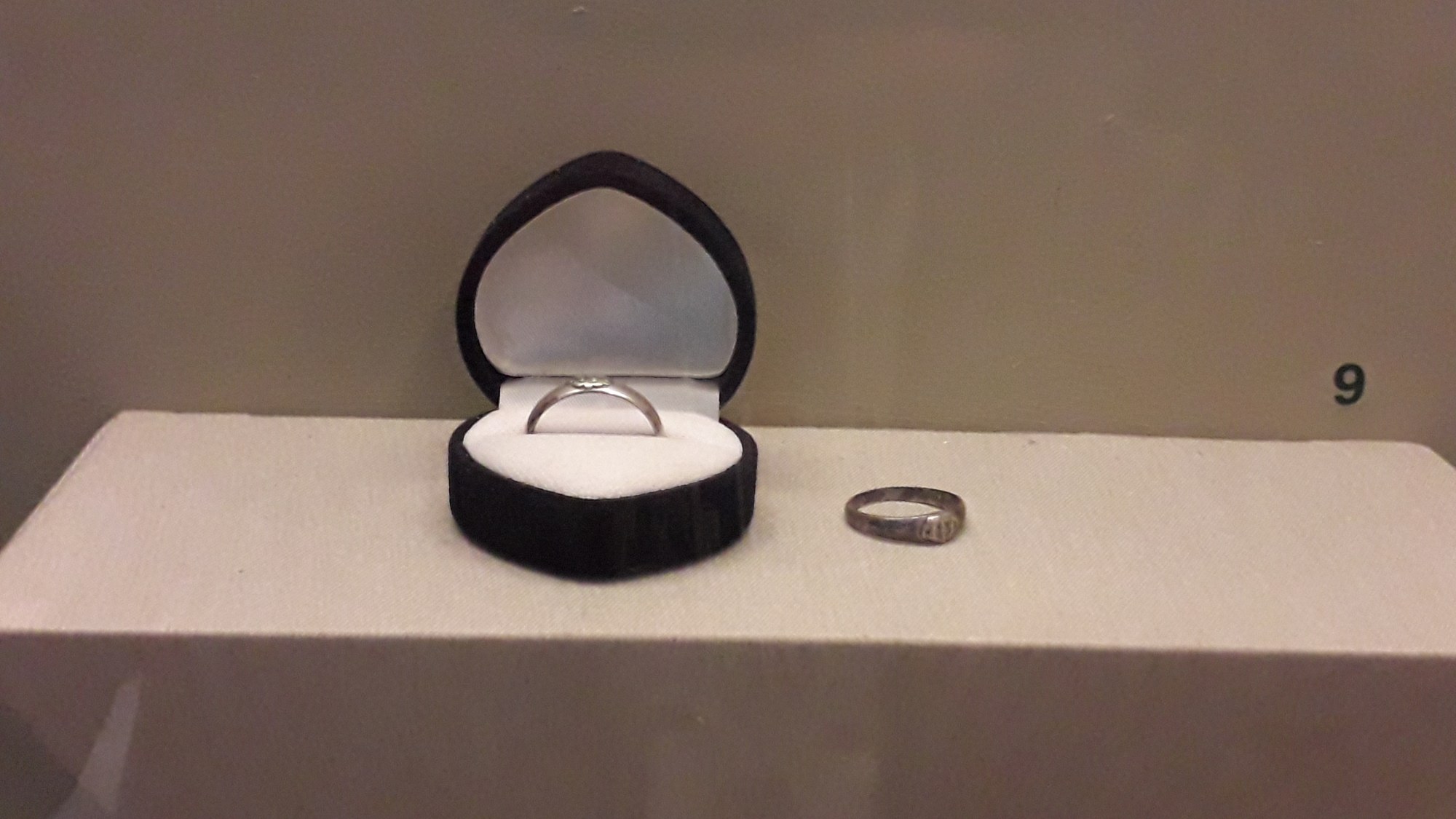
- Household goods and personal effects, including wedding and engagement rings.
- Burial spaces for the person and immediate family.
- Burial funds of up to $1,500 each for a person and a spouse.
- Life insurance when the combined face value is $1,500 or less.
- Property used in a trade or business, or on a job.
- Money set aside under a Plan to Achieve Self-Support, called a PASS, for people who are blind or have a disability.
Some money is protected only for a time. SSA excludes federal tax refunds and Earned Income Tax Credit payments for 12 months after they are received, and retroactive SSI or Social Security benefits for nine months.
Why the limit works like a cliff
Income and savings hit the check in different ways. SSA says for every $1 of non-work income, such as a pension, the payment drops by about $1, and for every $2 earned from work it drops by about $1. Those cuts are gradual.
Resources are not gradual. Under SSA’s rule, a person over the limit on the first of a month gets nothing for that month. Once the balance is back under the limit, payments can start again the next month.
Selling, giving away and the 36-month penalty
Someone who owns something that pushes them over the line may still be paid while trying to sell it. SSA’s sell-excess-resources rule allows up to nine months for real property, such as a house the person does not live in, and up to three months for personal property, such as a second car. The person must sign an agreement to sell property, show a diligent effort to sell, and repay some or all of the benefits afterward.
Giving money away is riskier. SSA says that giving away a resource, or selling it for less than it is worth, can make a person ineligible for up to 36 months, depending on its value. A sale at full value carries no penalty, but the proceeds count if they push savings over the limit.
ABLE accounts
An ABLE account is a tax-advantaged savings account for people with disabilities. SSA says it disregards the first $100,000, and only the amount above that counts as a resource. If the balance pushes countable resources over the limit, SSA suspends the SSI payment, though Medicaid continues.
Eligibility widened on January 1, 2026. SSA says the disability must now have begun before age 46, up from age 26. Money taken out of an ABLE account for housing counts as a resource if it is still held in the following month.
Where to confirm a balance
SSA’s SSI resources page carries the current figures, and the agency answers questions at 1-800-772-1213. Its burial fund page says the account must be titled as a burial fund or backed by a signed statement showing the amount, whose burial it covers and the date it was set aside.
The practical test for anyone on SSI is simple. What will the total of cash, accounts and other countable items be on the first day of next month, and is it under $2,000, or $3,000 for a couple?
Close to $2,000 on the first of the month?
A balance that tops the limit on the first of a month can cost a full SSI payment of up to $994, and a gift or a bargain-price sale can lock out a check for up to 36 months. Most recipients only learn where the line is after a payment stops.
The SSI & Disability Action Kit lays out the 2026 SSI income and resource limits, the rules for working without losing benefits, and an income and resource organizer. Part 3 covers ABLE accounts as the $2,000 workaround.
Get the SSI income and resource organizer to check savings before the first of the month →
More Financial Reading
- 21 Ways to Stretch a $2,087 Social Security Check
- 15 Places to Find Your Share of the $4.25 Billion States Give Back
- 15 Steps to Stop the Scams That Took $7.7 Billion From Seniors
This article was produced with AI assistance and edited for accuracy against the sources linked above.