State unclaimed-property offices returned $2.87 billion to owners in fiscal 2020, according to the annual report from the National Association of Unclaimed Property Administrators, known as NAUPA. That is the national total in NAUPA’s FY20 annual report. The money comes from forgotten bank accounts, uncashed paychecks, stocks and refunds, and a deposit left behind at a failed bank ends up in the same system.
NAUPA is a network of the National Association of State Treasurers. It says states return over a billion dollars annually, and that the pile still waiting is “literally billions of dollars.” It does not publish one national figure for the amount held right now, so any exact “total sitting in state vaults” number from another site is not coming from NAUPA.
The practical question is for anyone who has moved, closed an account, lost a relative or worked for an employer that folded. Is there money with their name on it in a state office or a federal database, and where is the legitimate place to look? Searching the official programs costs nothing, and the routes are below.
What changed this year: Social Security and Medicare change every year, and nobody sends you a memo. The Retirement Money Brief breaks down what changed and what to do. Bonus when you subscribe: our Open Settlements & Refund Tracker.
Get the Brief and the settlements tracker →
We may earn a commission from links on this page.
What the $2.87 billion looked like
The fiscal 2020 report put the average claim paid at $1,609.95. The median claim was $100.00. A few very large payouts pull the average up, and the typical claim is far smaller. Most people who find something are looking at a modest check, not a windfall.
NAUPA describes the report as a public-private partnership built on anonymized data from state programs. Individual states publish their own results, and those vary with the size of the state.
How the state search works
Each state runs its own program, and NAUPA’s home page links to each one through a map and a list. Most states also feed their records into MissingMoney.com, a website NAUPA manages that searches participating states’ databases in one step.
NAUPA states that it is always free to search for and claim missing money through official state government programs. A claim usually asks for proof of identity and, for older accounts, some link to the address or business on record. Anyone who lived in several states should search each one.
Failed-bank deposits and the 18-month rule
When a bank fails, the Federal Deposit Insurance Corporation pays insured depositors or arranges for another bank to take the accounts. The FDIC says a deposit counts as unclaimed if the owner does not assert ownership in an approved way within 18 months of the failure. After that, the agency transfers the funds to the state of the depositor’s last known address in the bank’s records.
If the records show no U.S. address, or an address abroad, the FDIC says the money goes to California. Interest on the account stopped on the date of failure. A person who finds an old failed-bank account after the transfer should look in the state program for that address, because the claim moves there.
The FDIC runs its own unclaimed funds search by name, business name or check number. The page lists four kinds of payment the agency handles: unclaimed insured deposits up to the insurance limit, dividends on deposits above that limit, dividends on general creditor claims, and distributions to a failed institution’s shareholders. After a claim form is submitted, the page says the claimant is notified within 30 days of receipt.
The other federal searches
USA.gov keeps a list of federal lookups, last updated September 24, 2025. It points to TreasuryHunt.gov for matured savings bonds, the FDIC database for closed banks and the National Credit Union Administration page for closed credit unions. It also names the Pension Benefit Guaranty Corporation search for lost pensions, a Department of Veterans Affairs database for life insurance, and a Housing and Urban Development database for FHA mortgage insurance refunds.
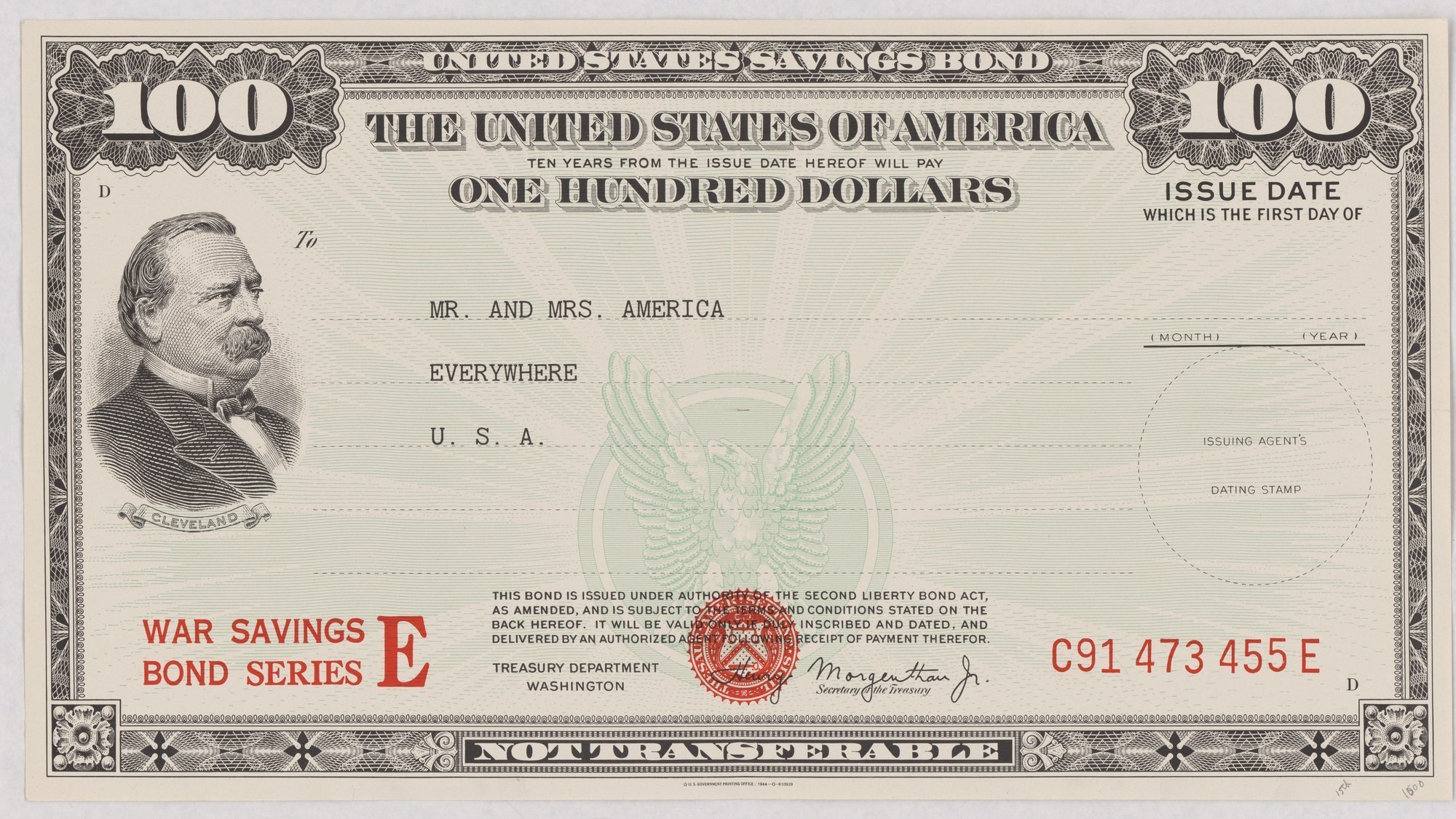
The same list covers a Securities and Exchange Commission database for harmed investors, the U.S. Courts unclaimed funds locator for bankruptcy money, and an Interior Department search for Individual Indian Money accounts. Matured savings bonds are the one many older households miss, since paper bonds can sit in a drawer long after they stop earning interest.
Fees and finders
NAUPA warns that if a message about unclaimed property involves a fee, it may come from a third-party finder or locator, and it urges people to contact the official state program with questions. The official state route does not charge to search or to claim. A caller or email that asks for a payment before releasing “your” money deserves caution.
The simplest safe order is to start at the state site that NAUPA links, add MissingMoney.com, and then run the federal searches that match a person’s history: a failed bank, a pension, a bond. Each takes a few minutes, and NAUPA’s own figures show the typical result is a check of about $100.
Which of those searches is still undone?
NAUPA’s $2.87 billion shows the system moves real money every year, and the FDIC’s 18-month rule shows how a bank account can change hands from a federal agency to a state office without the owner noticing. The open question for most households is a list: every state lived in, every bank that ever failed nearby, every old employer. Writing that list down is what turns a vague hope into a finished search.
Still missing a state, a bank or a bond from the list?
Searches done in a rush tend to stop at one state, and an account moved by the FDIC after 18 months can sit in a state nobody thought to check. Money that goes unfound stays in a state vault.
The Settlement & Refund Recovery System includes a 5-tab Excel tracker pre-filled with all 51 state unclaimed-property offices and the source vault of 12 official places money sits, so the state-by-state and federal searches above sit in one place with a log of what was checked.
Get the 51-office unclaimed-property tracker and source list →
More Financial Reading
- 21 Ways to Stretch a $2,087 Social Security Check
- 15 Places to Find Your Share of the $4.25 Billion States Give Back
- 17 Medicare Money Moves Now That Part D Caps at $2,400
This article was produced with AI assistance and edited for accuracy against the sources linked above.