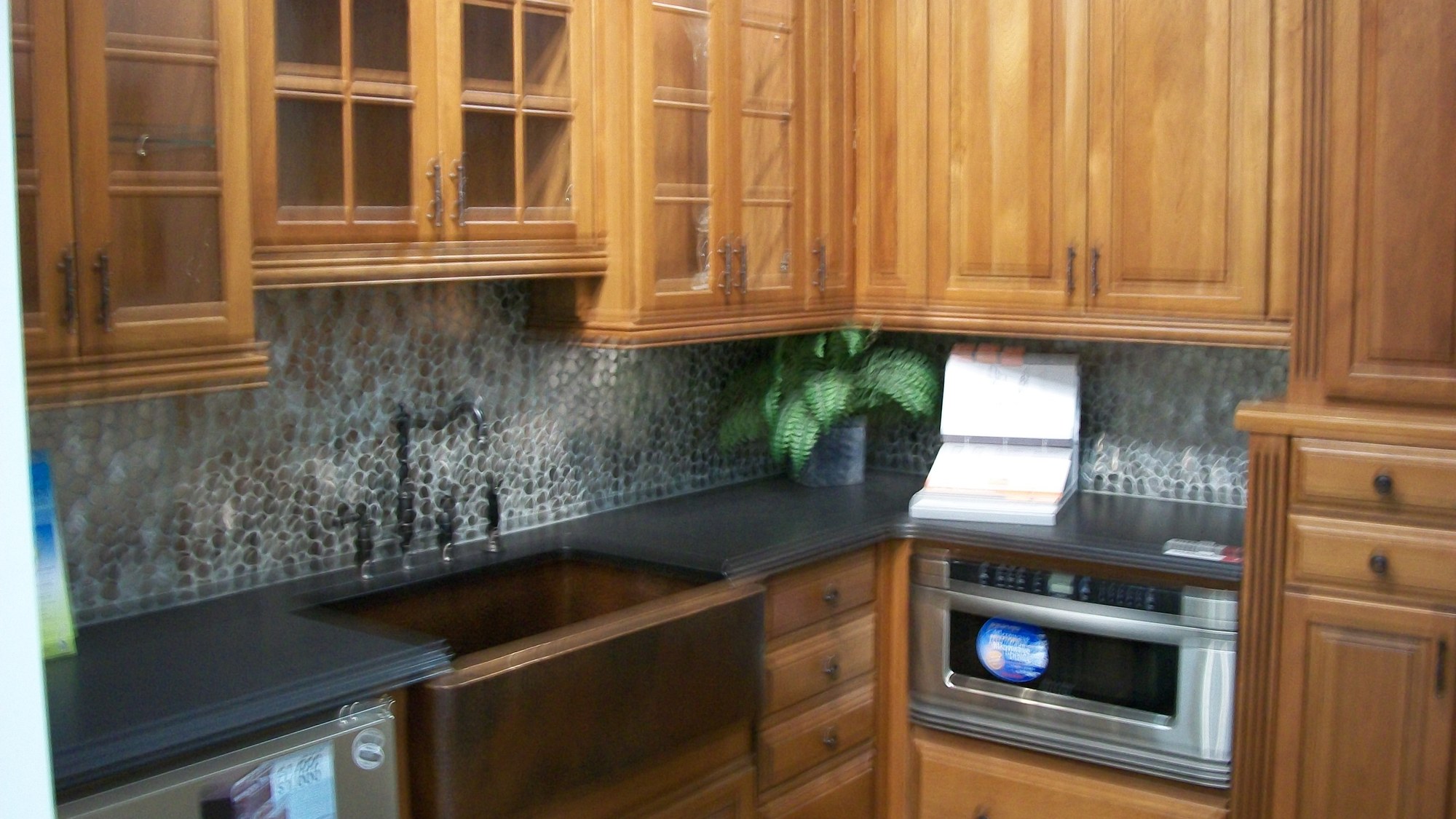
The duty on imported kitchen cabinets and bathroom vanities is scheduled to double from 25 percent to 50 percent on January 1, 2027. President Donald Trump set the date in a proclamation signed December 31, 2025, which amended his Section 232 action on timber, lumber and wood products under the Trade Expansion Act of 1962 and pushed an already scheduled increase back by a year.
The December 31 proclamation says the duty rate on kitchen cabinets and vanities “shall increase to 50 percent” effective January 1, 2027, and that the rate on upholstered wooden products, which covers upholstered furniture, “shall increase to 30 percent” the same day. The text describes the change as a delay “for an additional year.”
For anyone planning a kitchen or bathroom remodel, the date is a pricing deadline of sorts. Cabinets and vanities that enter the country after January 1, 2027 would face double today’s duty unless a trade agreement changes the rate, and retail prices follow import costs with a lag that varies by seller. A remodel contract signed this fall and one signed in spring may be priced against different tariff rates.
A 50 percent tariff on cabinets and vanities arriving January 1, 2027 is another pressure on household budgets that retirees already stretch. The Benefits Checklist lays out 11 benefit programs with the 2026 income limits, so the programs that can ease other household bills are on the list before the price increase arrives.
Scan the Benefits Checklist’s 11 programs and 2026 income limits for bill relief →
From 25 percent to 50 percent, one year late
The original action, signed at the end of September 2025, put a 10 percent tariff on certain softwood timber and lumber and a 25 percent tariff on upholstered wooden products, kitchen cabinets and vanities. The duties took effect at 12:01 a.m. eastern daylight time on October 14, 2025. The December 31 amendment later referred to the increase in the upholstered, cabinet and vanity rates as one it was delaying.
That increase was supposed to arrive at the start of 2026. The December 31 proclamation moved it to January 1, 2027. A trade note from the law firm Thompson Hine described the delay as running until January 1, 2027, and a customs briefing from Ginger Control lays out the sequence: rates stay at 25 percent, then move to 30 percent for upholstered furniture and 50 percent for cabinets and vanities.
Who could escape the increase
The December proclamation makes the higher rates apply “except for countries with which the United States reaches an agreement that addresses the threatened impairment.” In plain terms, a trading partner that settles with Washington over the national-security concerns behind the Section 232 action could end up with a different rate than 50 percent.
Some partners already have special treatment. In the original proclamation, the United Kingdom’s rate is capped at 10 percent, and goods from the European Union and Japan are capped at 15 percent all-in. The December amendment does not restate those caps, so they come from the earlier text. The proclamation also directs the U.S. Trade Representative to continue pursuing agreements and to provide an update on its progress.
What stays the same until the date
Until January 1, 2027, the rate on these goods is 25 percent. A shipment’s duty depends on when the goods are entered at the border, not when a homeowner orders them, so a cabinet order placed in December can still carry the higher rate if the imported units clear customs after the date. Installers and retailers who hold stock bought earlier are not covered by the increase on that stock.
The proclamation affects imports only. Cabinets made in the United States are outside it, though domestic makers can price against the import cost. Whether and how quickly a retailer passes the new duty to a customer is a business decision that the proclamation does not set.
Why the date matters for a household budget
Doubling a 25 percent duty raises the tax on a given import by 25 points on its value. On a shipment of cabinets valued at $10,000 at the border, the duty would go from $2,500 to $5,000, a $2,500 increase before any markup. That is an illustration of the arithmetic, not a retail quote, and real shelf prices depend on shipping, margins and the exporting country’s rate.
For people on fixed incomes, the issue is timing and trade-offs. A remodel that can be done before the change avoids the new rate on most imported items bought now. A remodel that waits for savings or insurance proceeds may meet the higher rate or a negotiated exemption, and the White House text leaves open that agreements could change the outcome before then.
Pricing a remodel before January 1, 2027
The free primary source is the proclamation text on whitehouse.gov, which is short and sets the rates and date in one place. Homeowners can ask a cabinet seller for two things in writing: the country of origin of each item, and whether the quote assumes the 25 percent rate or the scheduled 50 percent rate.
A contractor’s quote should say when the cabinets are expected to clear customs. If delivery slips past January 1, the higher duty could apply to the shipment. Quotes from domestic makers should be compared with imported ones on delivered price, since a domestic maker may price against the import cost in the same way.
Anyone watching for a change should follow trade announcements from the White House, because a new agreement with an exporting country could alter the rate before the date. The December 31 proclamation is the document that sets 50 percent for cabinets and vanities on January 1, 2027.
A 50 percent cabinet tariff starts January 1, 2027
Household costs are rising on a schedule, and the programs that offset them have income limits and applications with their own timing. The Benefits Checklist covers 11 benefit programs with the 2026 income limits and a 50-state phone directory, so applications can start before the tariff date, and a printable tracker comes with the download to keep them in order.
Get the Benefits Checklist: 11 programs, 2026 income limits, 50-state phone directory →
This article was produced with AI assistance and reviewed by The Financial Wire’s editorial team.