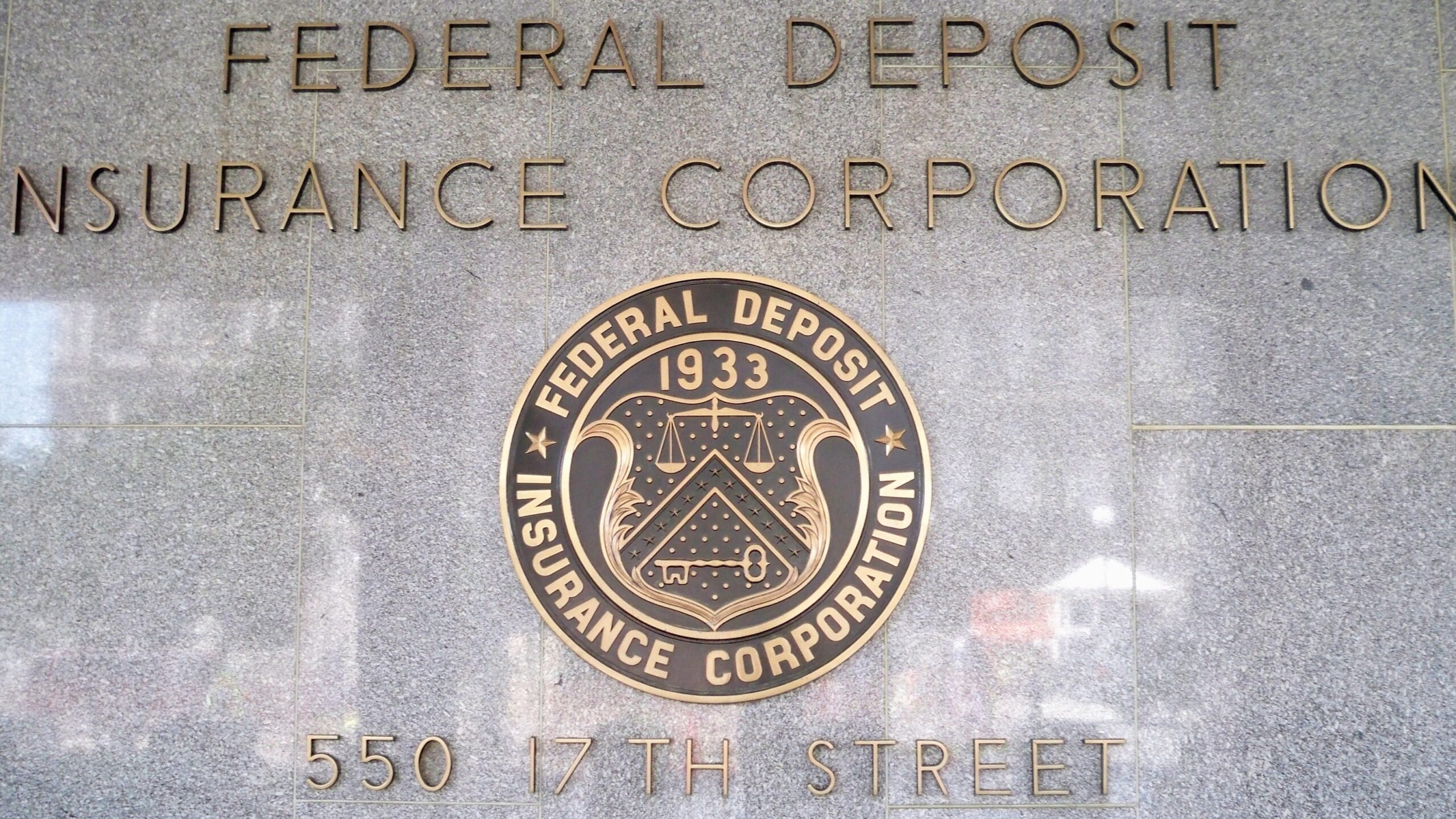
Starting June 3, 2026, federal bank regulators will no longer be able to pressure financial institutions into closing customer accounts because of a person’s political beliefs, religious views, or involvement in lawful but controversial industries. The Office of the Comptroller of the Currency and the FDIC finalized a joint rule that strips “reputation risk” from the supervisory toolkit regulators have long used to influence which customers banks serve. The change follows Executive Order 14331, published in the Federal Register on August 12, 2025, which directed agencies to end what the administration called “politicized or unlawful debanking.”
Why the joint OCC-FDIC prohibition changes the rules for millions of account holders
The practical effect of the rule is straightforward: regulators can no longer require, instruct, or encourage a bank to terminate someone’s account based on political, social, cultural, or religious views, constitutionally protected speech, or lawful activities. That language comes directly from the joint final rule the OCC and FDIC published. Before this prohibition, examiners could flag a bank’s relationship with a customer or an entire industry sector as a “reputation risk,” a subjective label that carried real consequences during supervisory reviews. Banks facing that pressure often chose to drop the customer rather than fight the examiner.
The rule matters because it removes a mechanism that operated largely out of public view. Account closures driven by examiner pressure were not typically disclosed in regulatory filings or consumer complaint databases. No enforcement statistics or closed-account tallies tied to reputation-risk terminations appear in the public docket. That absence of data makes it difficult to measure how widespread the practice was, but the administration and both agencies clearly concluded it was significant enough to warrant a binding prohibition rather than informal guidance.
A reasonable expectation is that banks operating under the revised framework will approve more accounts for customers who were previously flagged during Community Reinvestment Act or licensing reviews for involvement in controversial but legal businesses. Whether that shift will be large enough to measure statistically within the next 18 months depends on how aggressively examiners were using reputation risk before the rule and how quickly banks update their internal compliance screening.
Executive Order 14331 and the supervisory overhaul behind the rule
The regulatory trail runs through several layers. Executive Order 14331, titled “Guaranteeing Fair Banking for All Americans,” was published in the Federal Register last summer and directed federal financial regulators to stop using subjective risk categories as pretexts for restricting access to banking services. The OCC responded with Bulletin 2025-22, which formally defined “politicized or unlawful debanking” by reference to the executive order and outlined how the agency would treat such conduct in licensing and CRA evaluations.
The agencies then went further. OCC Bulletin 2026-23, titled “Bank Supervision: Removing References to Reputation Risk,” confirmed that multiple interagency guidance documents were being reissued with all reputation-risk language deleted. A separate interagency update, reflected in a later OCC release, confirmed that the agencies had completed that scrubbing process across their core supervisory manuals, examination procedures, and training materials. Together, these steps mean that the prohibition on politicized debanking is not just a one-off rule but part of a broader restructuring of how examiners are expected to think about customer risk.
Under the new framework, examiners must focus on objective, quantifiable risks such as credit performance, liquidity, operational resilience, and compliance with anti–money laundering laws. They may still criticize a bank that fails to manage those concrete risks, but they can no longer cite potential reputational harm from serving disfavored but lawful customers as a basis for supervisory action. That shift narrows the scope of examiner discretion while still leaving room for traditional safety-and-soundness judgments.
What the prohibition means for banks, customers, and complaints
For banks, the immediate challenge is operational. Compliance departments will need to rewrite internal policies, screening questionnaires, and account-opening scripts that previously referenced reputational concerns tied to customer identity or speech. Training programs must explain that declining or closing accounts solely because a customer is engaged in lawful but controversial activities can now trigger criticism in exams or even enforcement referrals.
At the same time, the rule does not require banks to do business with every applicant. Institutions may still refuse or terminate relationships based on creditworthiness, fraud risk, sanctions exposure, or violations of law. The key change is that regulators cannot push banks to cut ties with customers simply because those customers attract public controversy or political opposition. That distinction will likely be tested in edge cases where banks cite fraud or compliance rationales that customers perceive as pretextual.
Consumers who believe they have been debanked for political or religious reasons will have several avenues to raise concerns. They can file complaints directly with their bank, but they can also use the OCC’s online customer assistance system to submit grievances about national banks and federal savings associations. Those submissions help the agency identify patterns of potential violations and may inform future supervisory priorities.
Over time, the success of the prohibition will be measured less by headline-grabbing enforcement actions and more by quieter changes in access to basic financial services. Advocacy groups that previously documented account closures affecting firearms dealers, religious nonprofits, and politically active organizations will be watching to see whether those clients experience fewer unexplained terminations. Banks, for their part, will be assessing whether serving such customers poses any new operational or legal challenges in the absence of reputational-risk guidance.
The joint OCC-FDIC rule, anchored in Executive Order 14331 and reinforced by the broader overhaul of supervisory materials, marks a clear attempt to draw a line between safety-and-soundness regulation and political controversy. How effectively that line holds will depend on how rigorously examiners apply the new standards and how willing banks are to revisit past decisions that may have been driven more by perceived reputational pressure than by concrete risk.