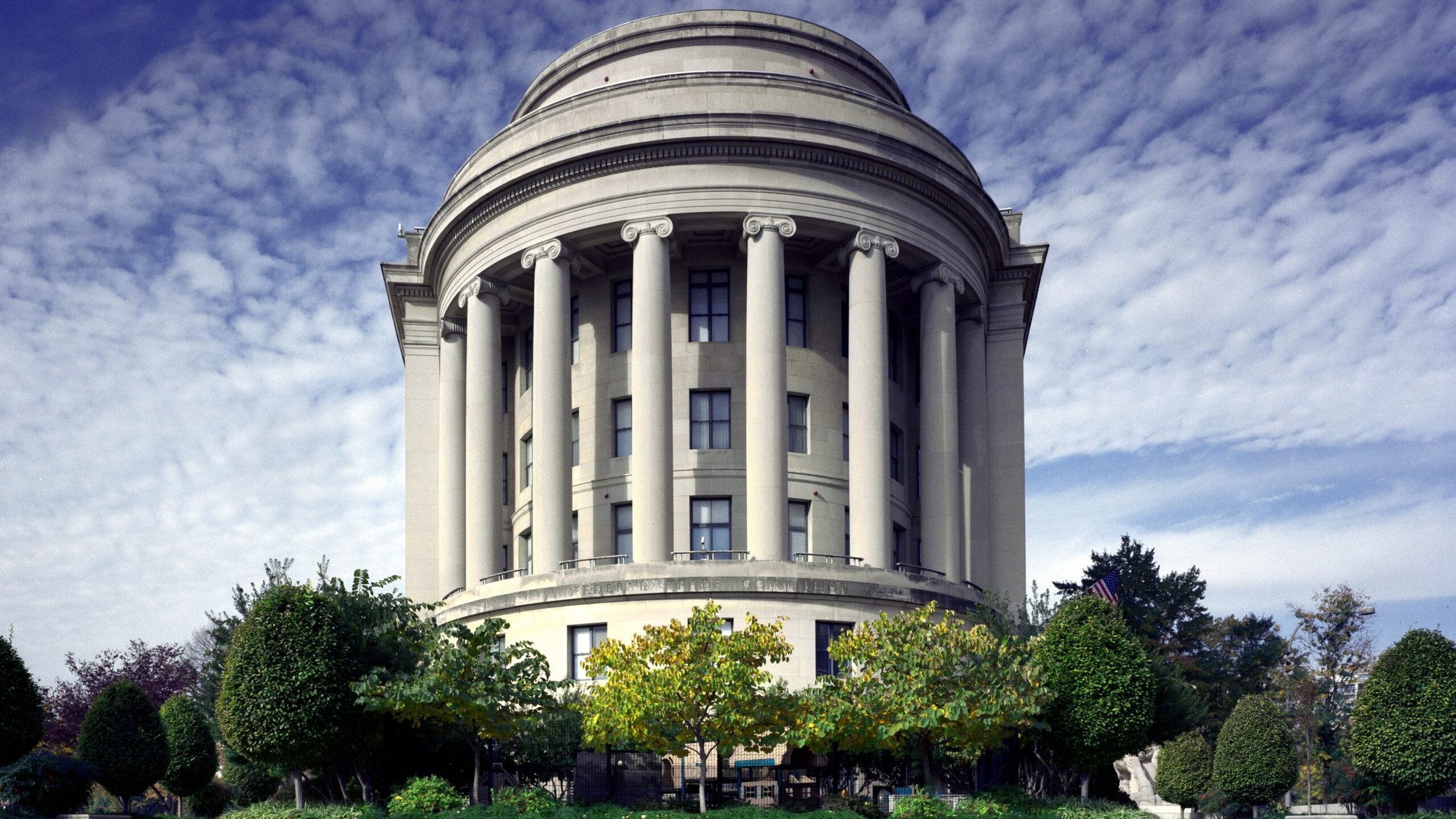
The Federal Trade Commission is mailing another round of checks to people who lost money to a debt-relief operation called Helping America Group, adding more than $463,000 to a case that has already returned upwards of $20 million to consumers. The agency is sending 9,522 checks this time, and only to people who successfully cashed an earlier payment in the same case. For anyone who paid the company’s monthly fees years ago expecting debt relief that never came, it is a sign the FTC’s payout process in a scheme that once targeted tens of thousands of consumers is still running.
How Helping America Group Took Money From People Already in Debt
According to the FTC and the Florida Office of the Attorney General, a group of defendants operating as Helping America Group charged consumers hundreds or thousands of dollars a month while falsely promising to negotiate, settle, or obtain dismissal of their debts and repair their credit. Instead, according to the agency’s account, victims found their original debts unpaid and in default, and their credit scores badly damaged; some were later sued by creditors or pushed into bankruptcy. The operation specifically targeted people already facing financial difficulty, according to the FTC, which is part of why the case drew a joint action rather than a single-agency response. Regulators moved to halt the operation in 2017, described in the FTC and Florida’s joint announcement at the time, and the case was resolved a year later when the defendants agreed to submit $35 million in assets for consumer redress, according to the 2018 settlement announcement. That $35 million pool of assets is what has funded all three rounds of checks sent out since.
Free retirement updates: One number can cost or save hundreds a month in retirement. The free Retirement Shield newsletter surfaces the ones worth knowing. Sign up free.
Three Rounds of Payments Over Six Years
The FTC first sent payments in this matter in July 2020, mailing 27,083 checks for more than $16 million, according to the agency’s press release on that initial distribution, which noted at the time that the FTC expected to collect additional money in the case and planned a second round once it did. That second round followed in December 2021, and together the two rounds pushed total refunds in the case past $20 million, according to the FTC’s Helping America Group refunds page. Because the agency has since recovered still more money from the defendants, it is now sending a third round — the 9,522 payments totaling more than $463,000 described above — to people who had already accepted their second check. Anyone who did not cash that second payment is not part of this particular round.
The 90-Day Window to Cash a Check
The FTC is telling recipients of the new checks to cash them within 90 days. That instruction applies to money already mailed automatically; nobody needs to file a claim or apply to receive it, since the agency identifies eligible recipients from its own records of the earlier rounds. The FTC has used the same outside firm, JND Legal Administration, to handle recipient questions across all three rounds of this case, reachable at 1-833-928-2567, and the agency’s refund programs FAQ page covers common questions about how these payments work and what to do if one does not arrive. As with every FTC refund, recipients are never asked to pay a fee or share bank account details to receive their check.
A Case That Keeps Producing New Rounds
Debt-relief operations built around upfront monthly fees and promises of guaranteed results have been a recurring target of FTC enforcement, and the agency has continued to publish consumer guidance on recognizing the warning signs of a debt-relief scam well after this case closed. The Helping America Group matter, formally listed by the FTC under the case name Jeremy Lee Marcus, et al., shows how a single enforcement action can keep generating payments years after the original $35 million settlement, as the agency locates more money and works through checks that were never cashed. Each of the three distributions in this case — 2020, 2021, and now 2026 — has drawn from that same pool of assets rather than from a new judgment against the defendants, which is part of why the payments keep arriving years apart instead of all at once. Redress funds like this one are typically held and disbursed by a court-appointed administrator over an extended period, since converting frozen or seized assets into cash, and then tracking down thousands of individual recipients, is rarely something an agency can finish in a single mailing. The FTC’s own refunds page for the case, updated in August 2026, remains the current record of who is still owed money. The agency also maintains a public dashboard breaking down its refund payments by case and by state, part of a broader push to make clear how much money enforcement actions actually return to consumers rather than simply how large a settlement was announced.
The Programs Off the Radar
Separately, missed money is not limited to court-ordered refunds. State unclaimed property, LIHEAP energy help, and Medicare Savings Programs each hold assistance for older households, but every one of them requires the person to apply — none of them enroll someone automatically the way a court-ordered refund check does.
The Benefits Checklist lays out all 11 covered programs with a printable tracker and a 50-state phone directory for finding the right office.
Look up the relevant programs in The Benefits Checklist.
This article was written with the assistance of AI and reviewed for accuracy before publication.